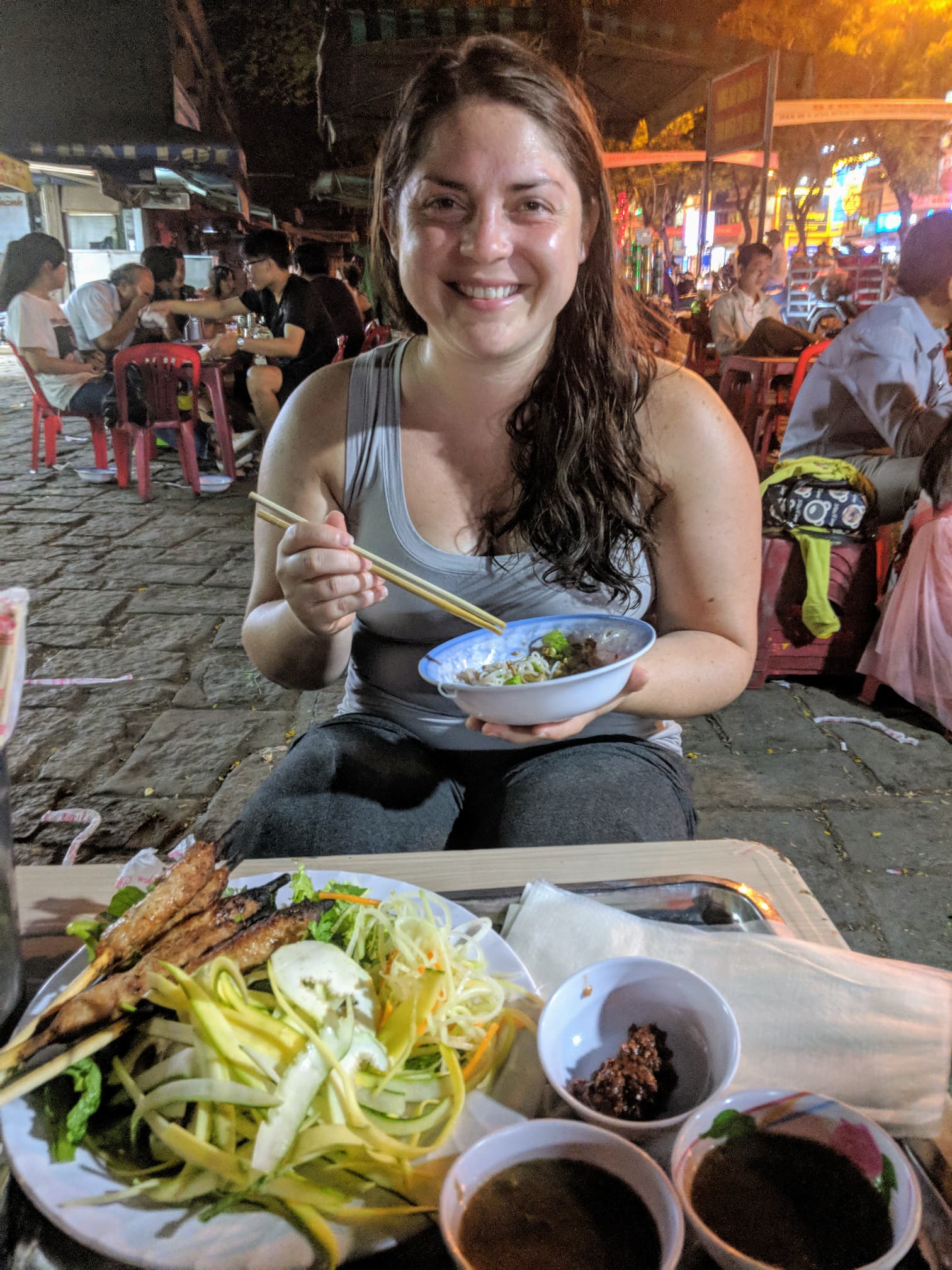
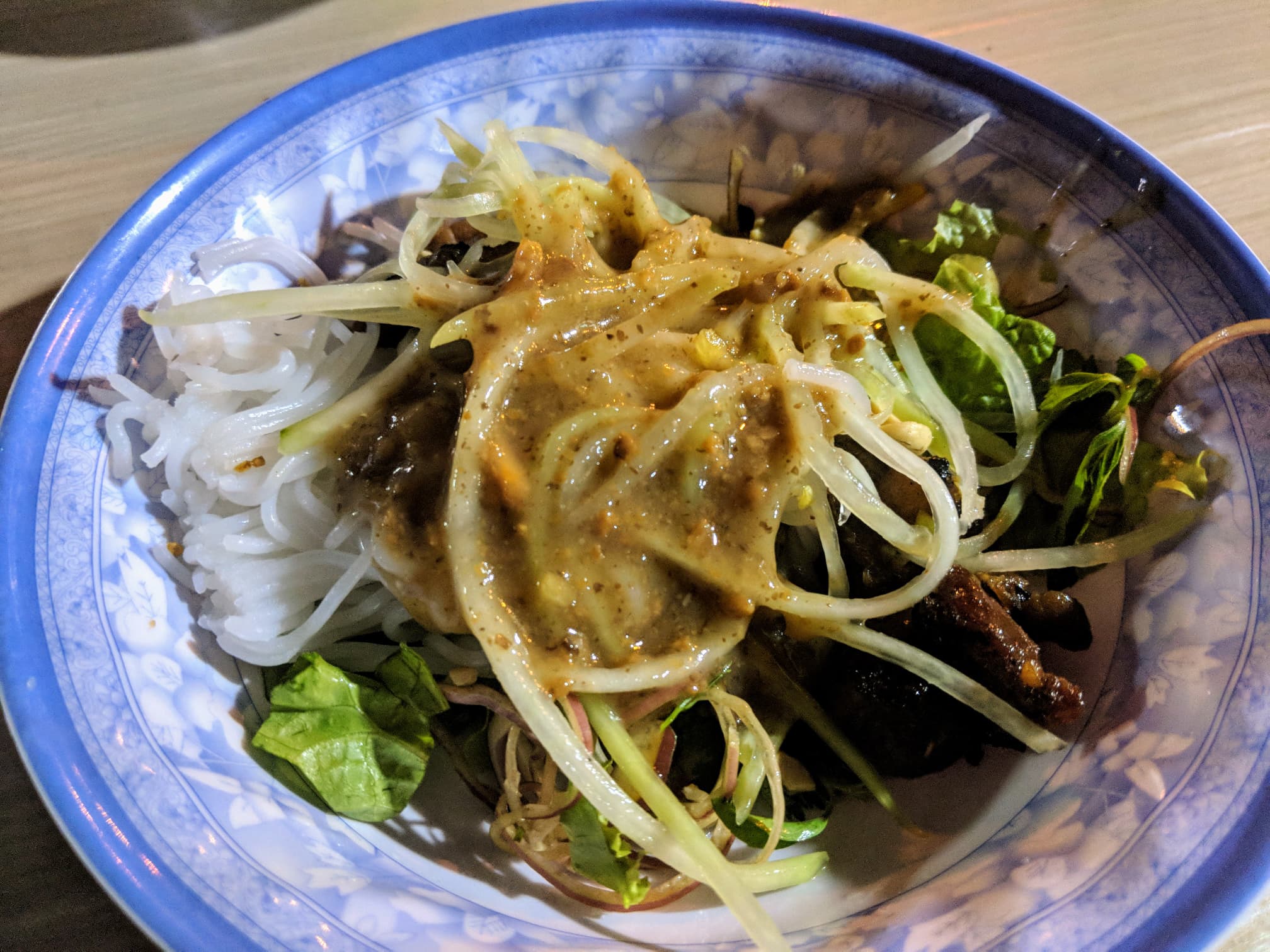
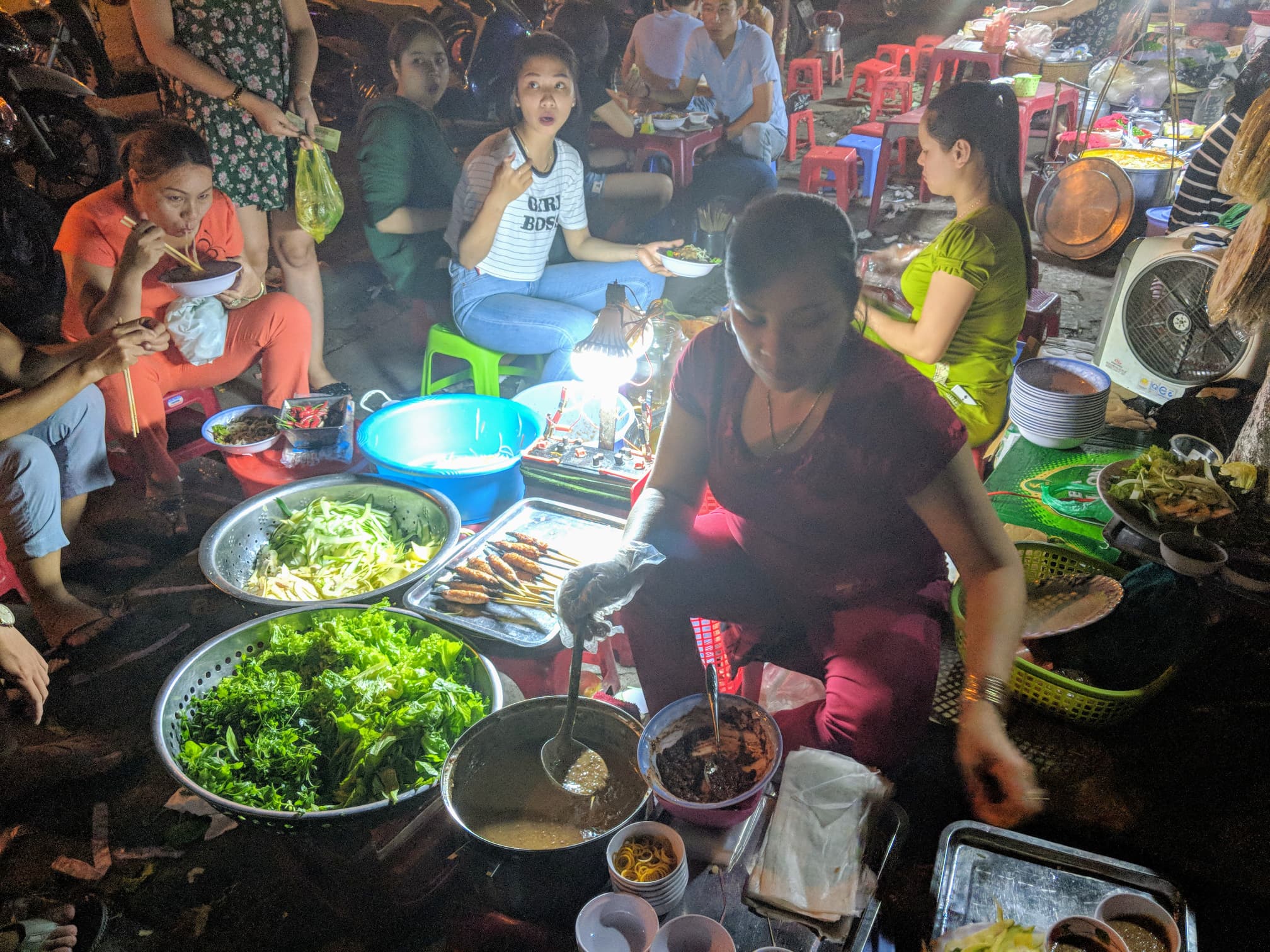
Hue’s local street food was one of my favorite. We got a tip from our hotel front desk employee for one of his favorite places to eat. He was so excited for us, it was adorable. Perks of staying at a hotel not in the heart of the tourist area, insider secrets. We ate a dish very similar to bun cha, but the local people here have access to peanuts and put this delicious peanut sauce on everything. So imagine that, then add papaya and mango salad to the mix. So fucking good. Peanut sauce is not common in most places in Vietnam, contrary to what we American’s might think because every favorite Vietnamese restaurant surely has fresh spring rolls and peanut sauce. We also had something that was like chicken satay and is often grilled on a lemon grass skewer, then you wrap it up like a Vietnamese fresh spring roll, and of course, dip it in the peanut sauce. This place was at a local night market and we were literally the only tourists there. Again, the women at the table giggled as they watched us eat and were having a good joke about it. I’m glad we are so entertaining!
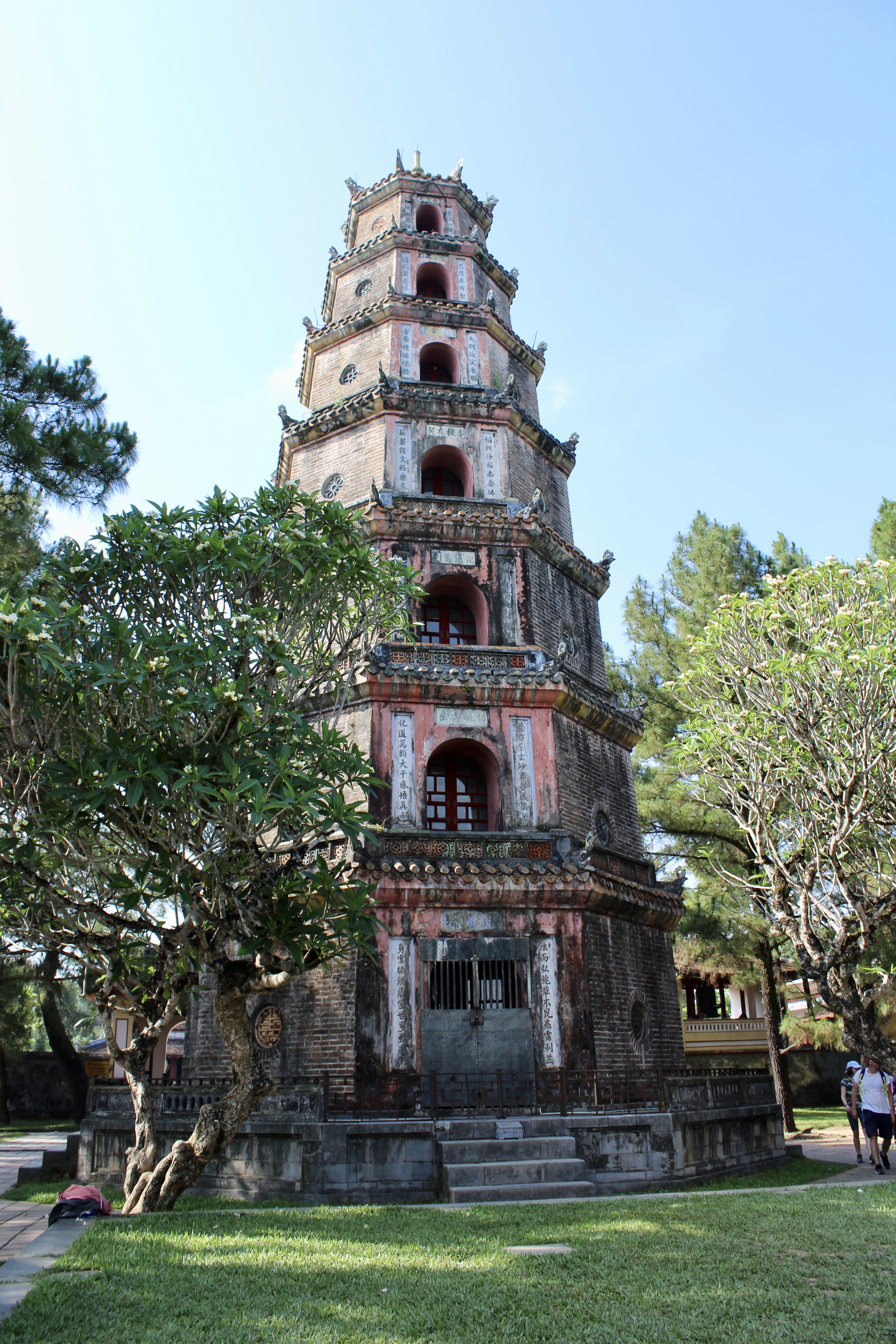
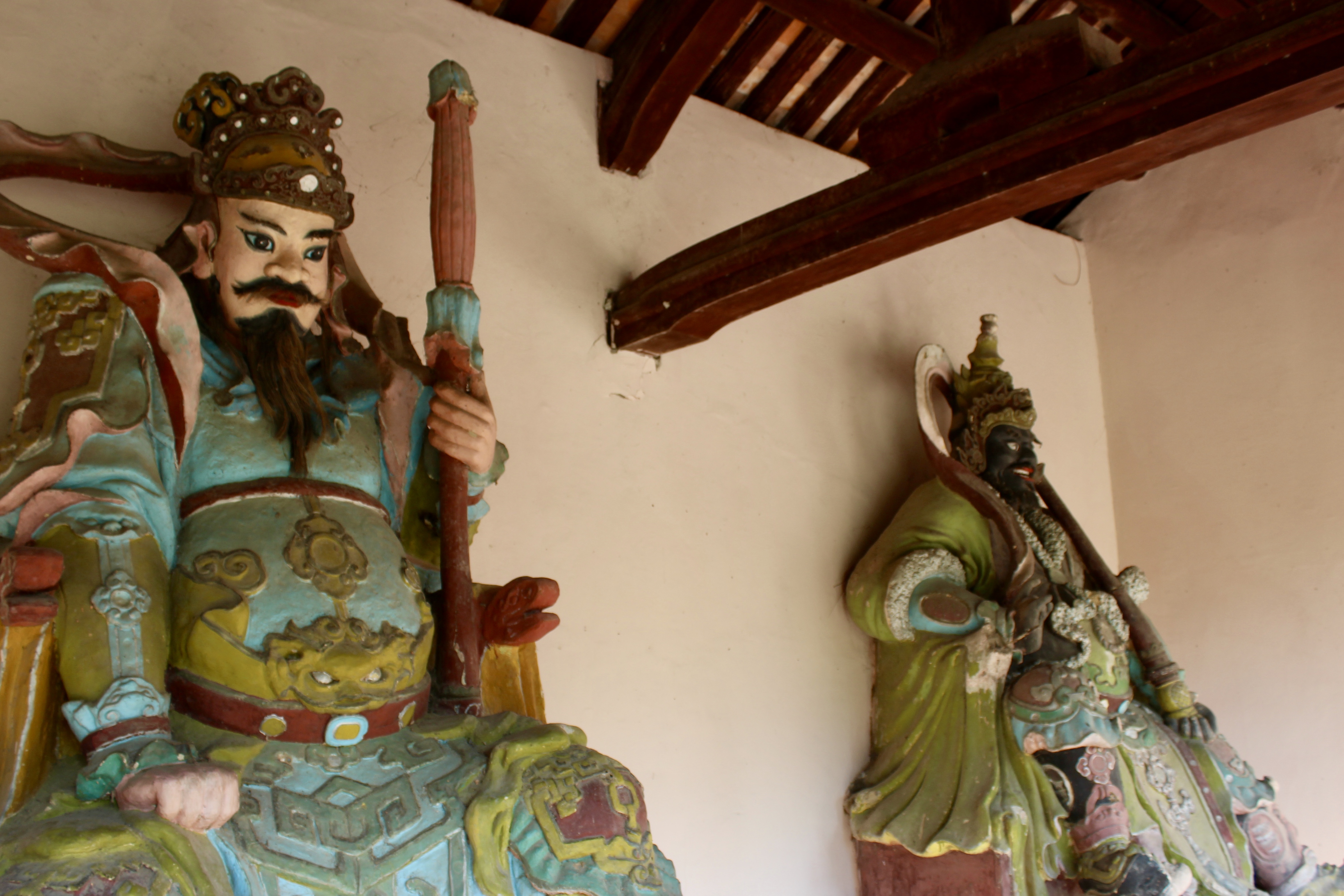
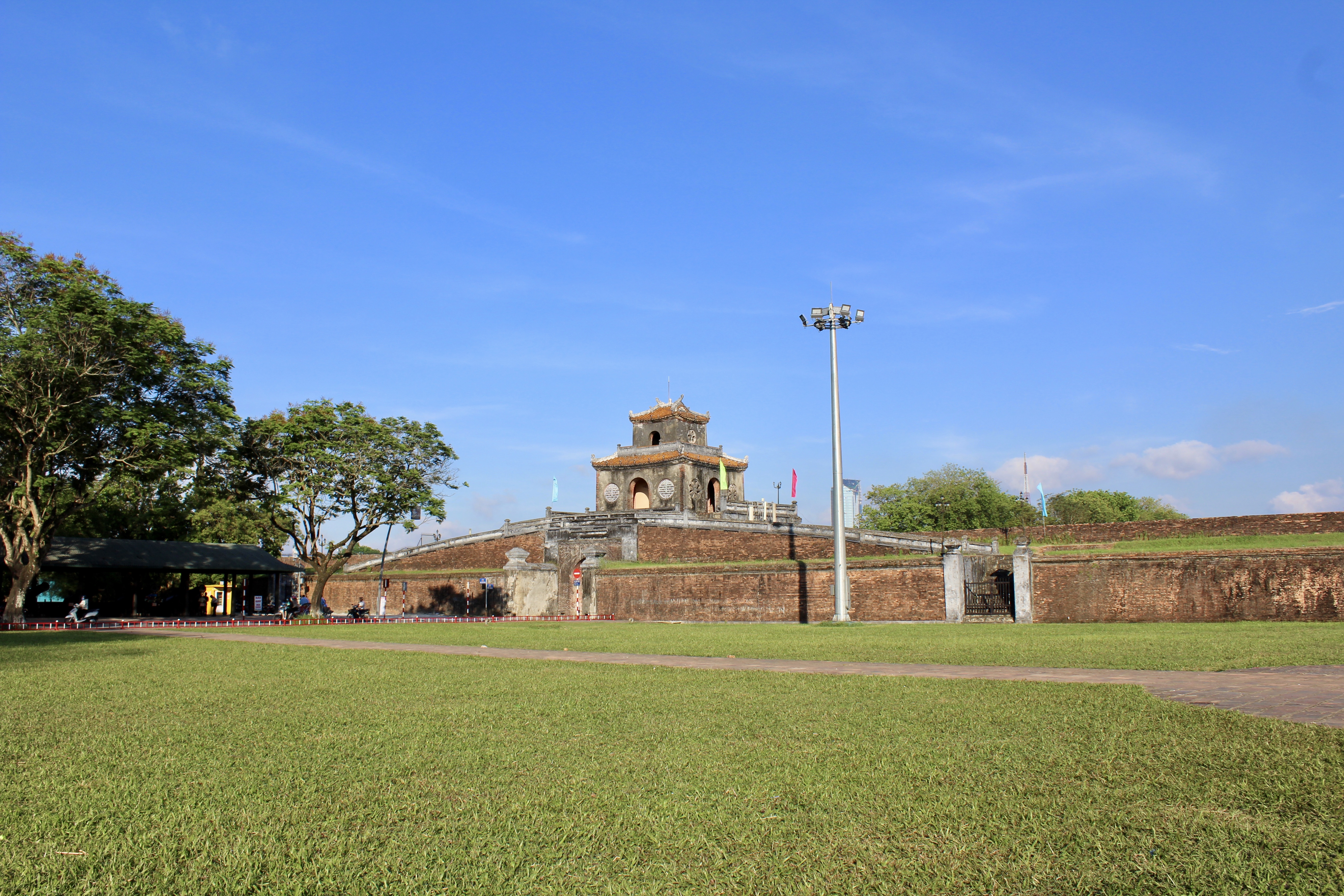
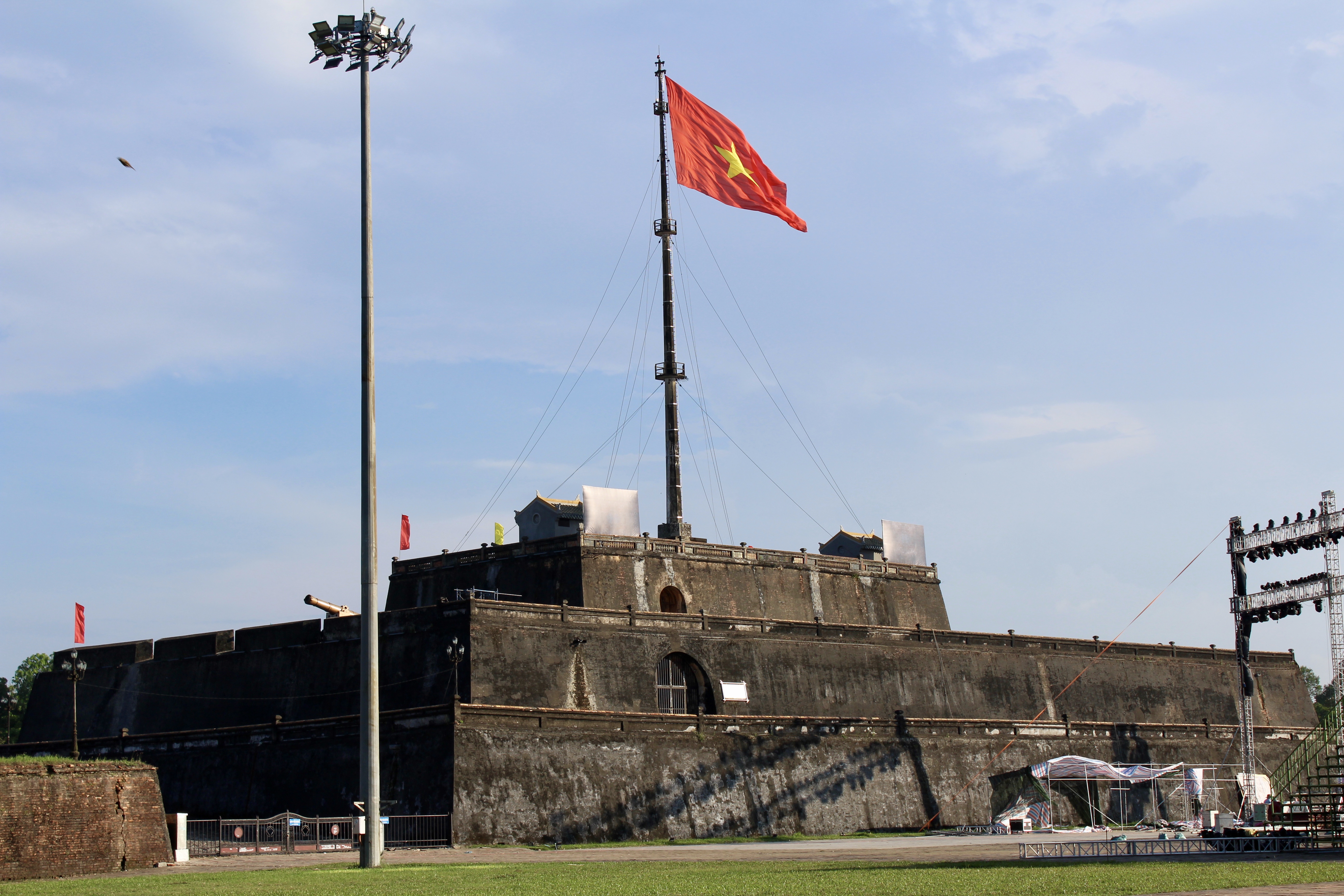
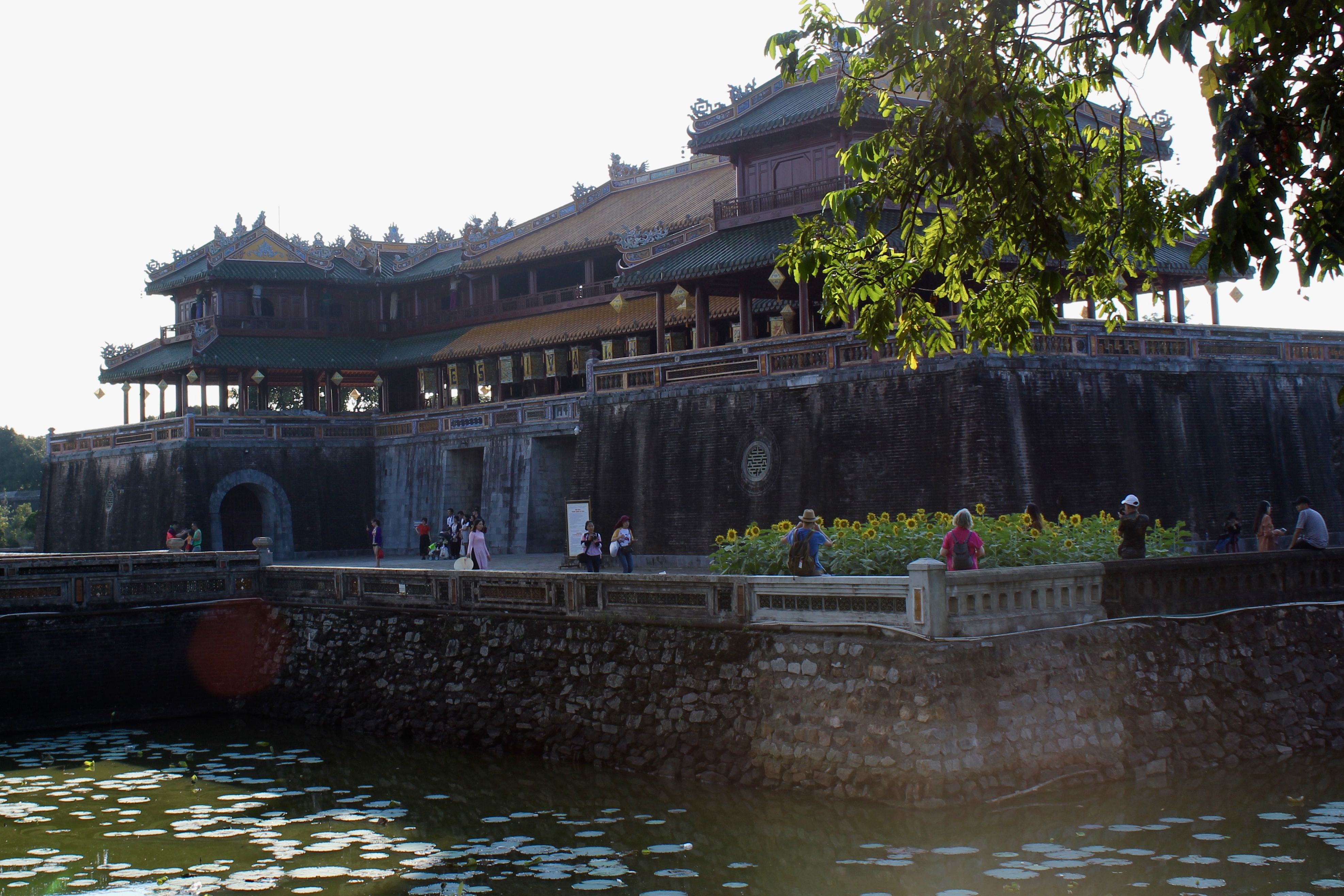
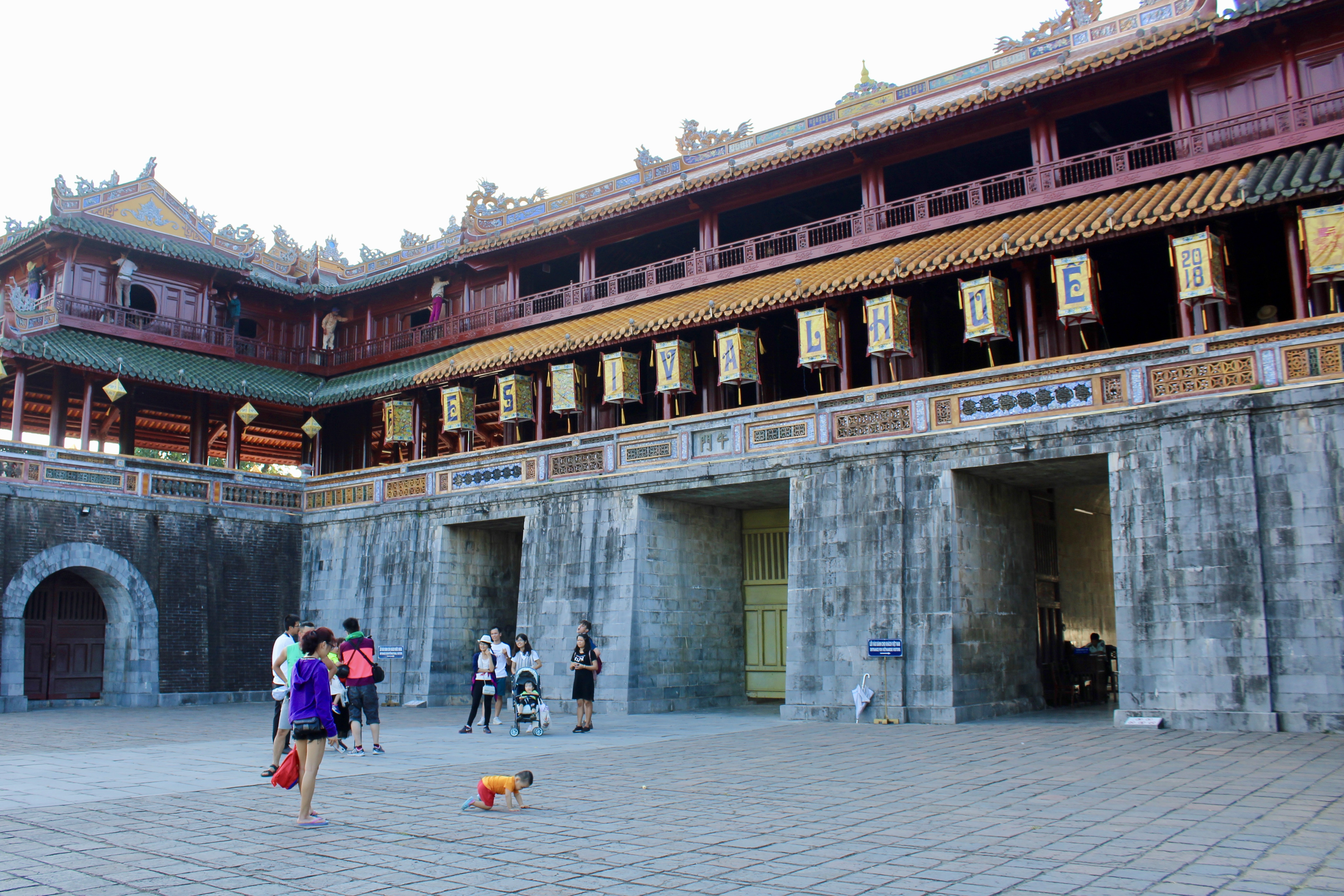
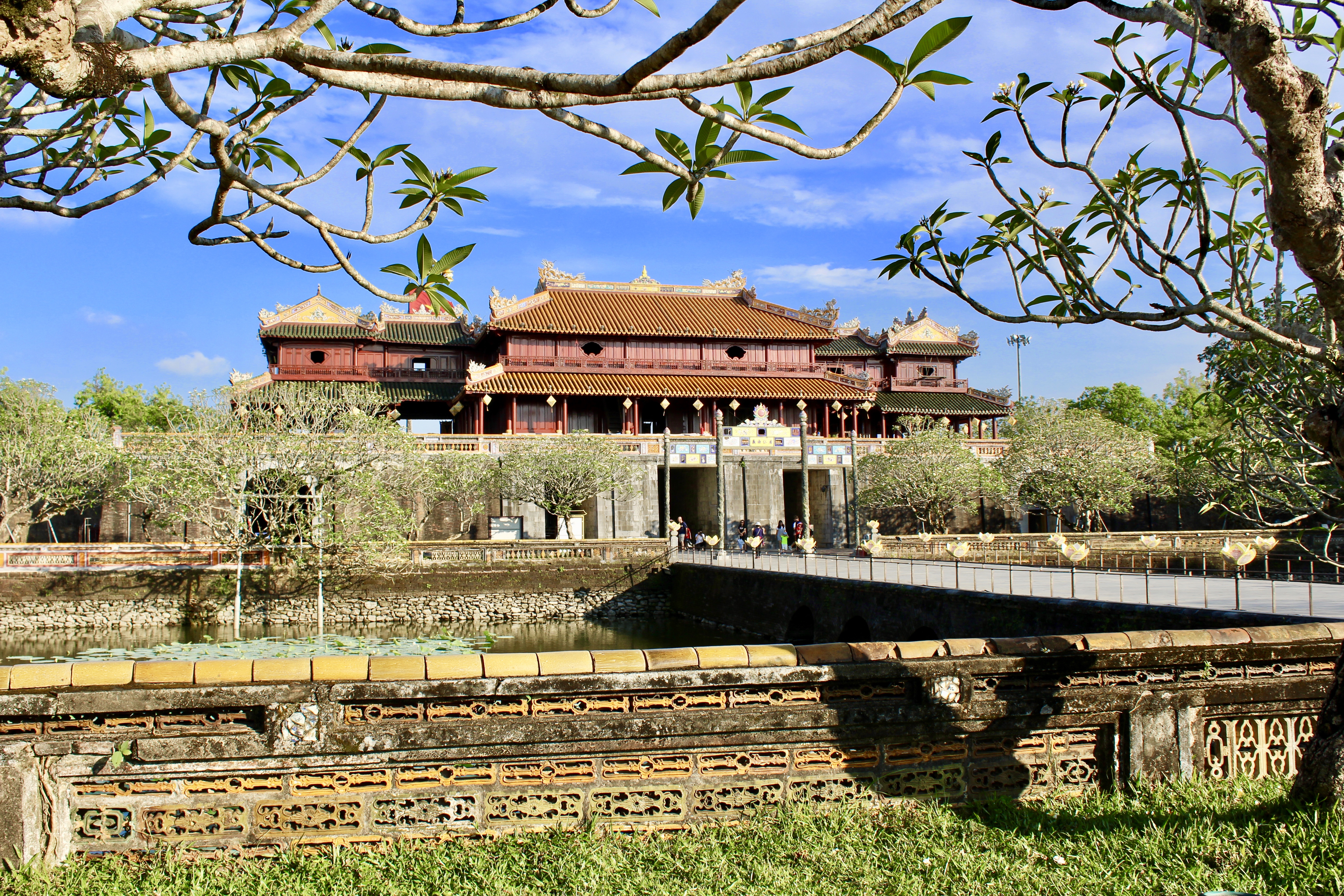
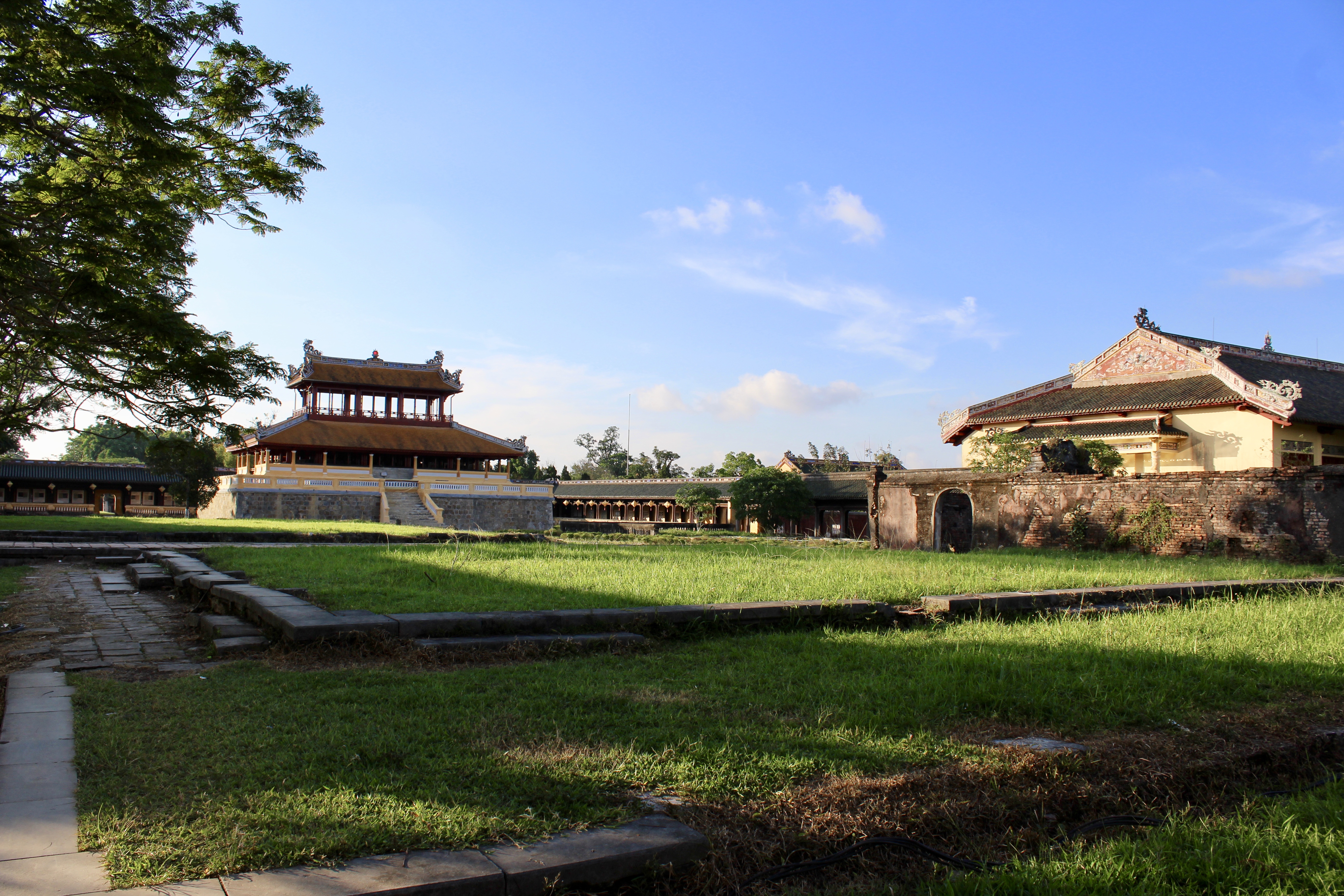
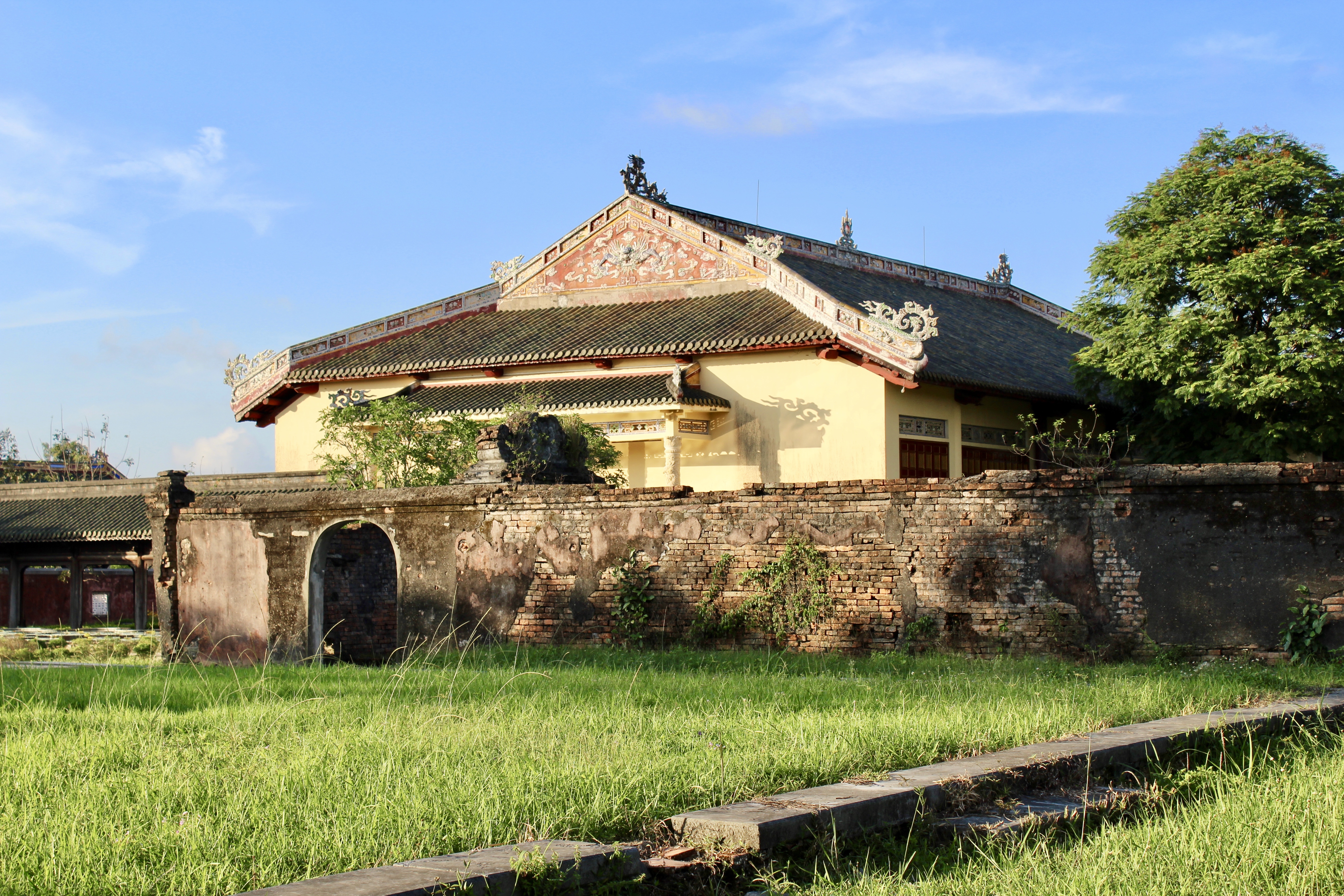
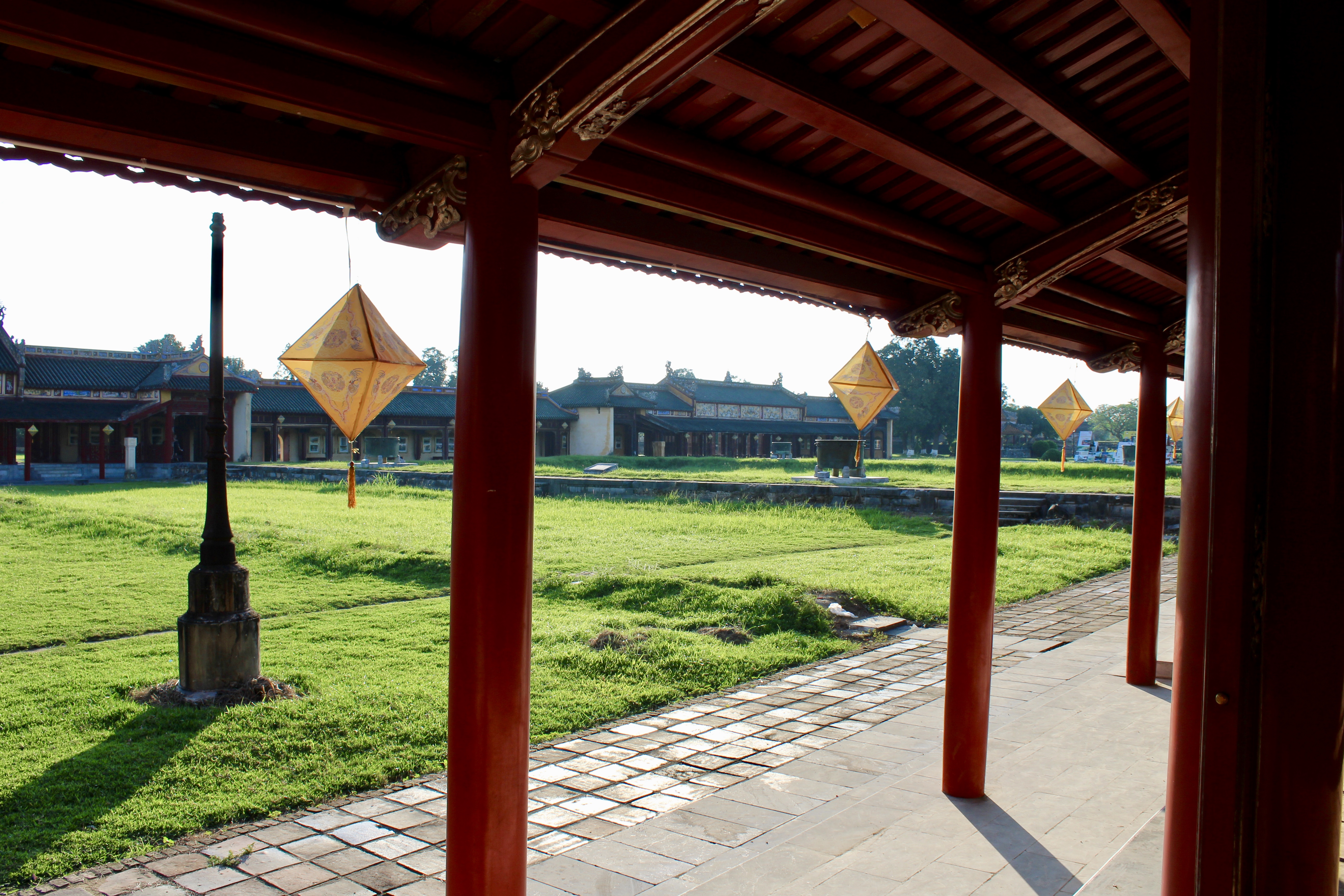
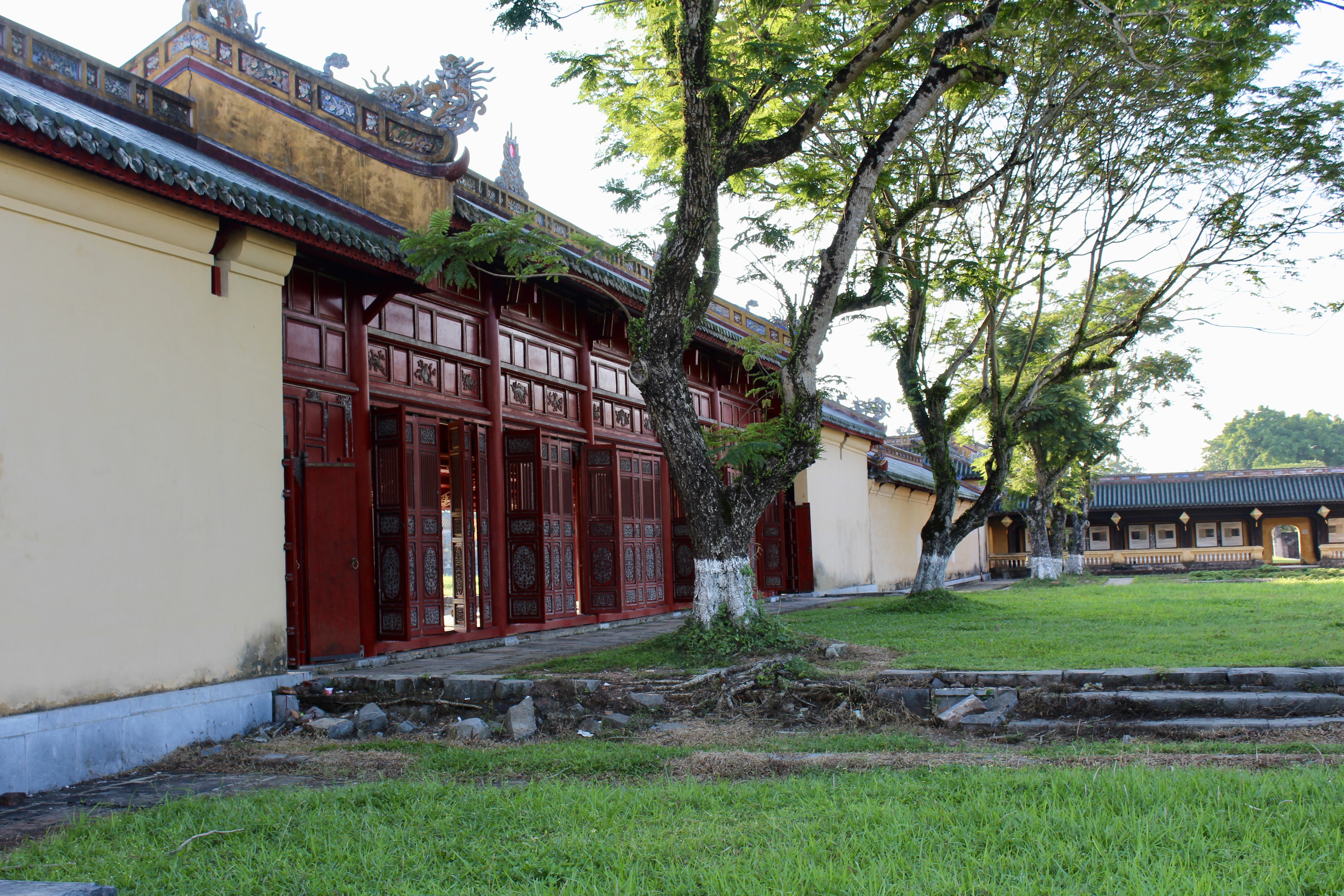
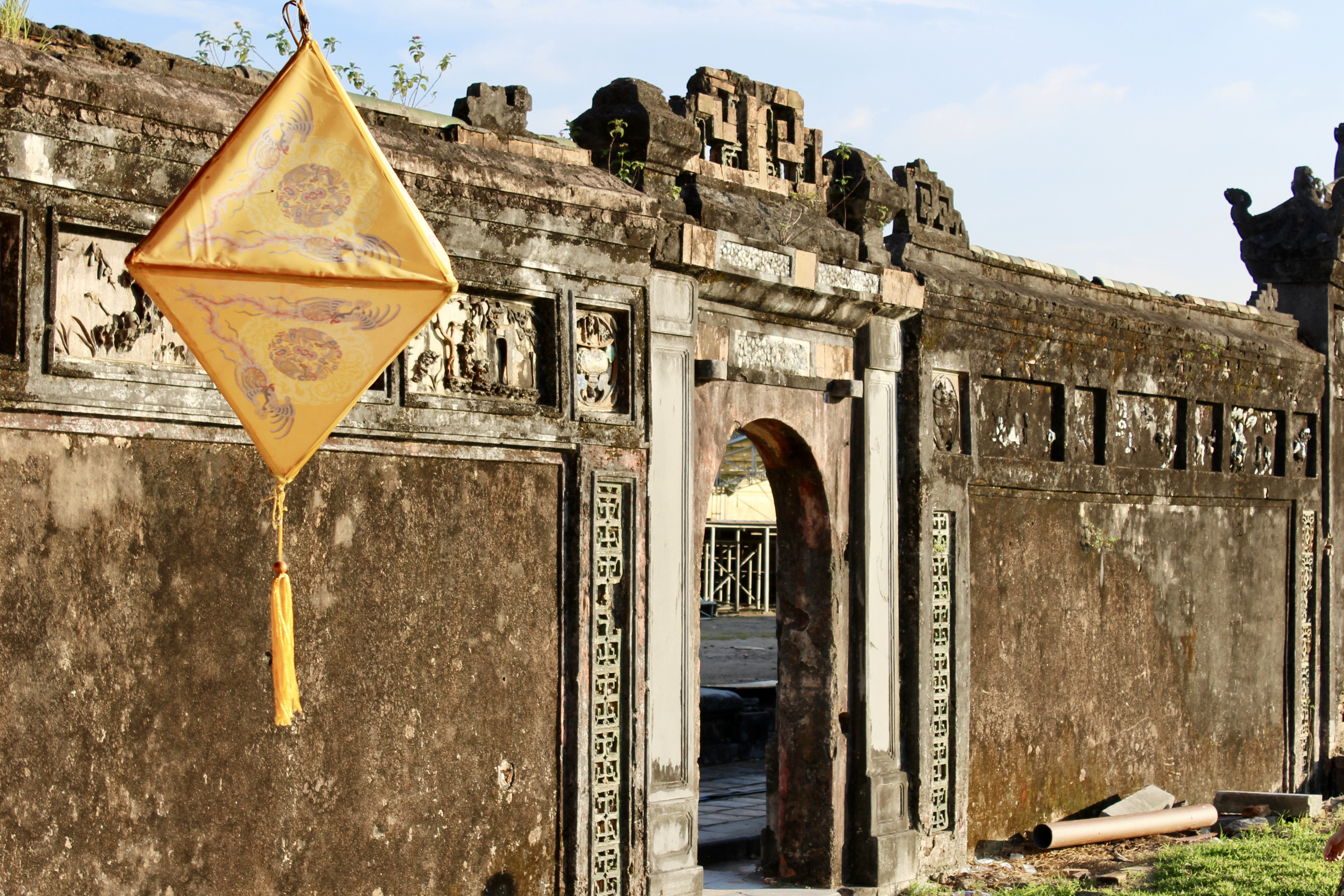
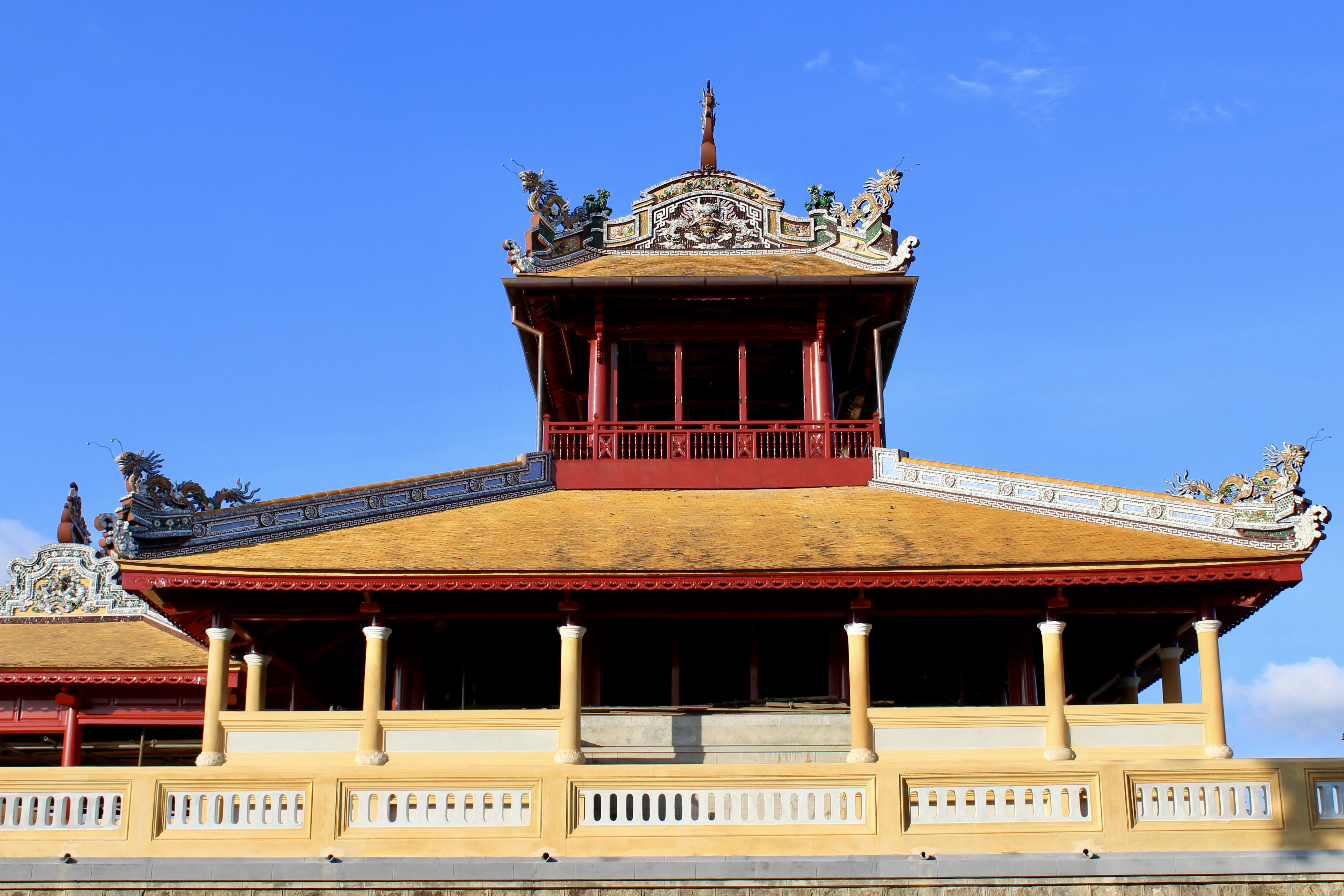
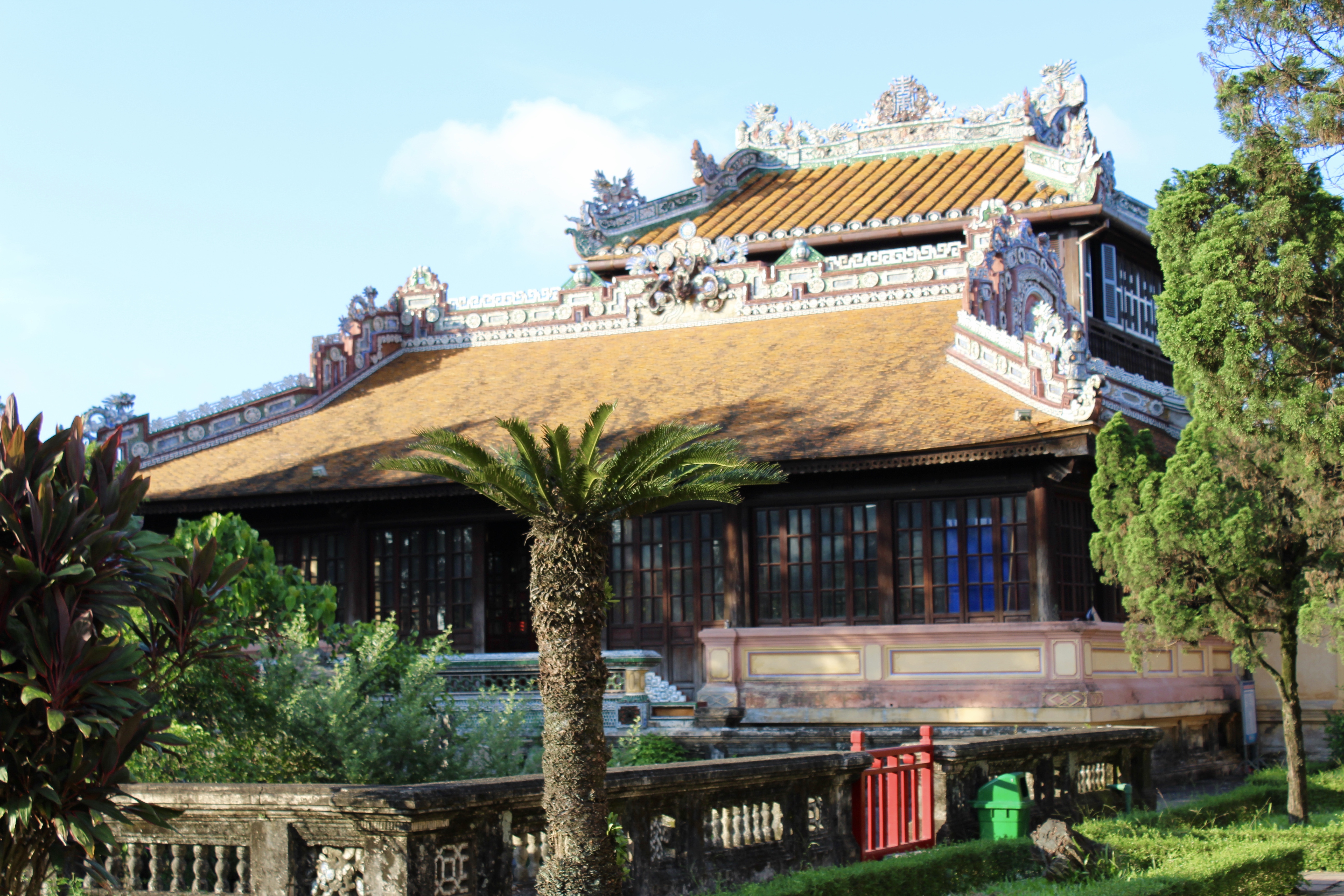
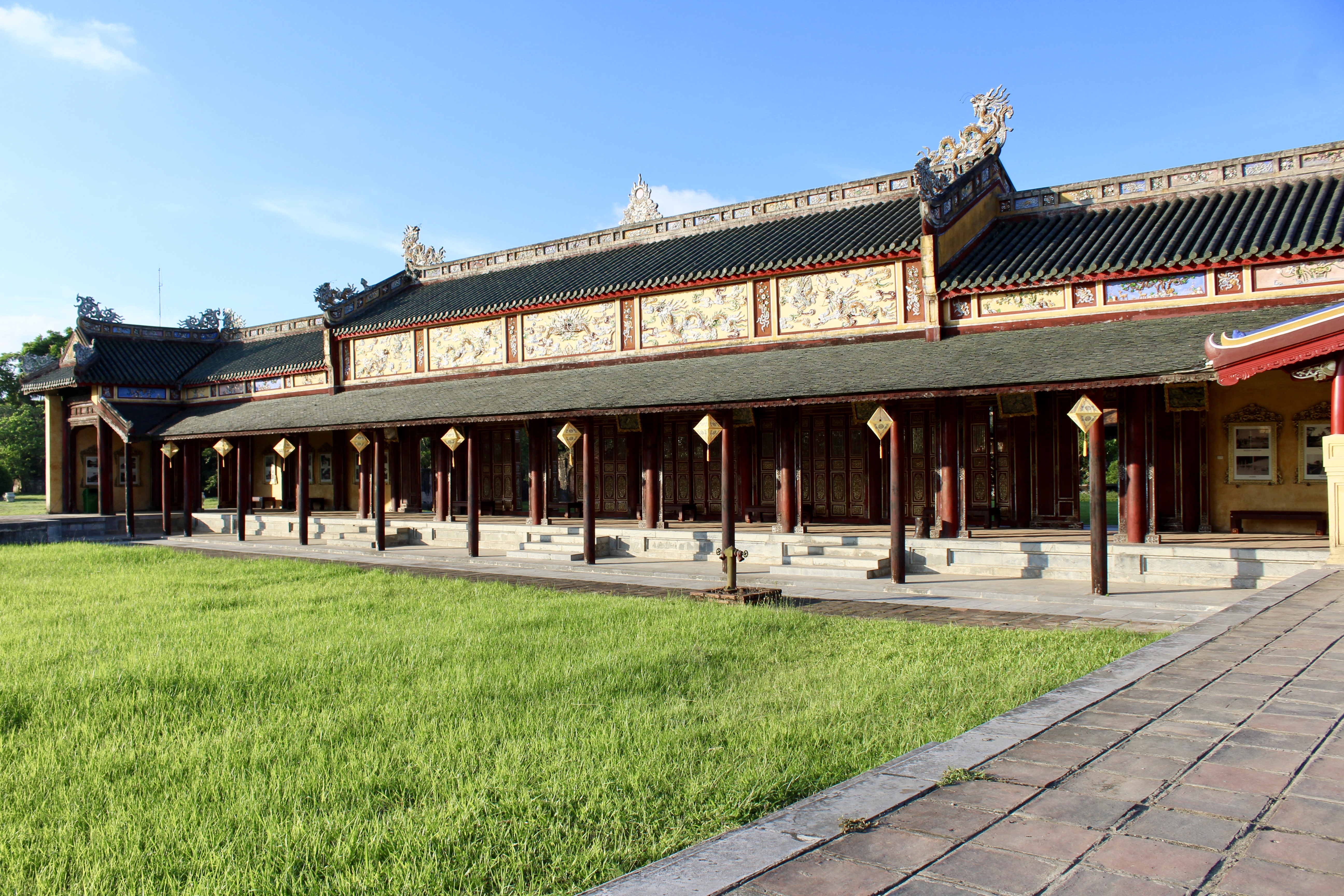
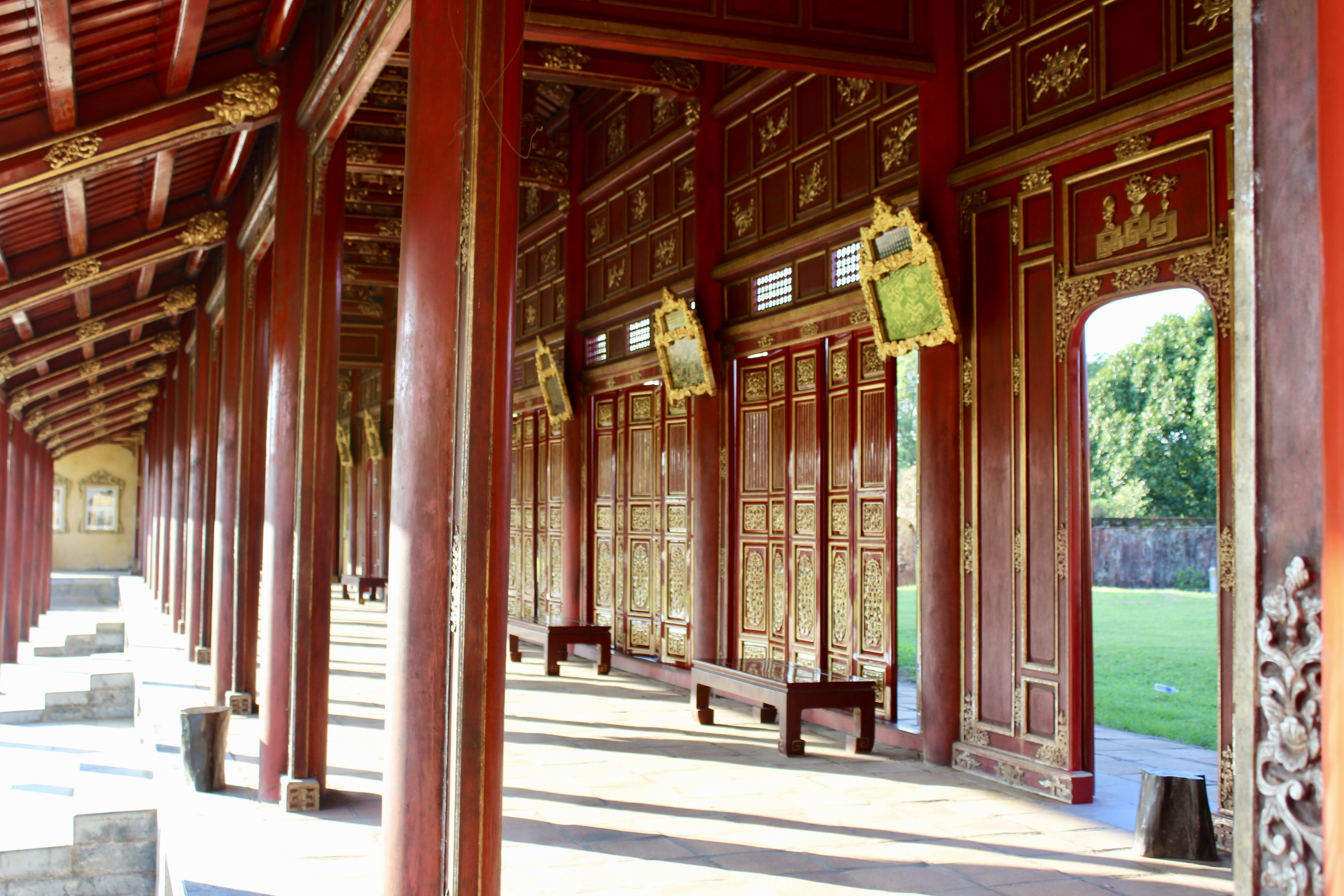
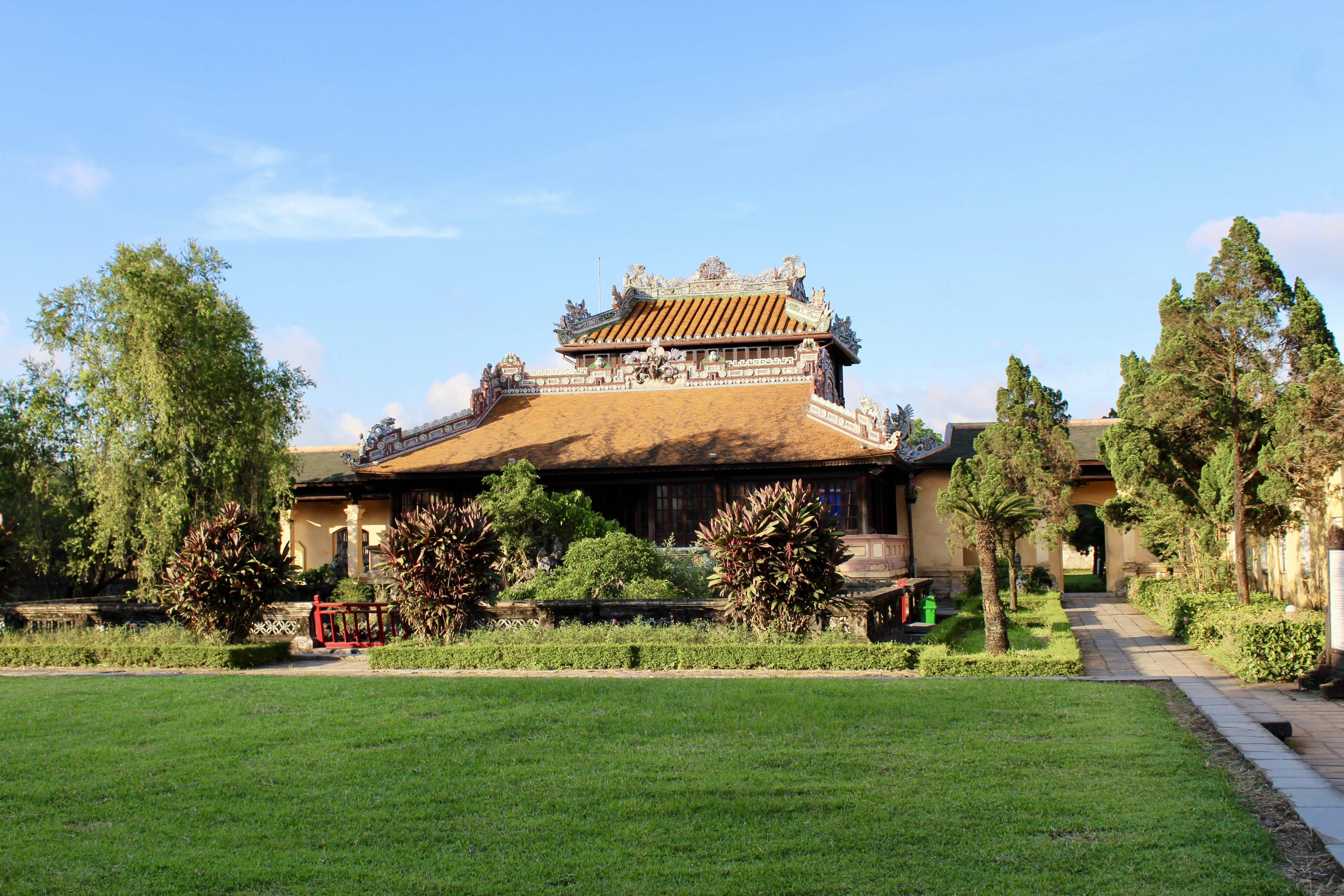
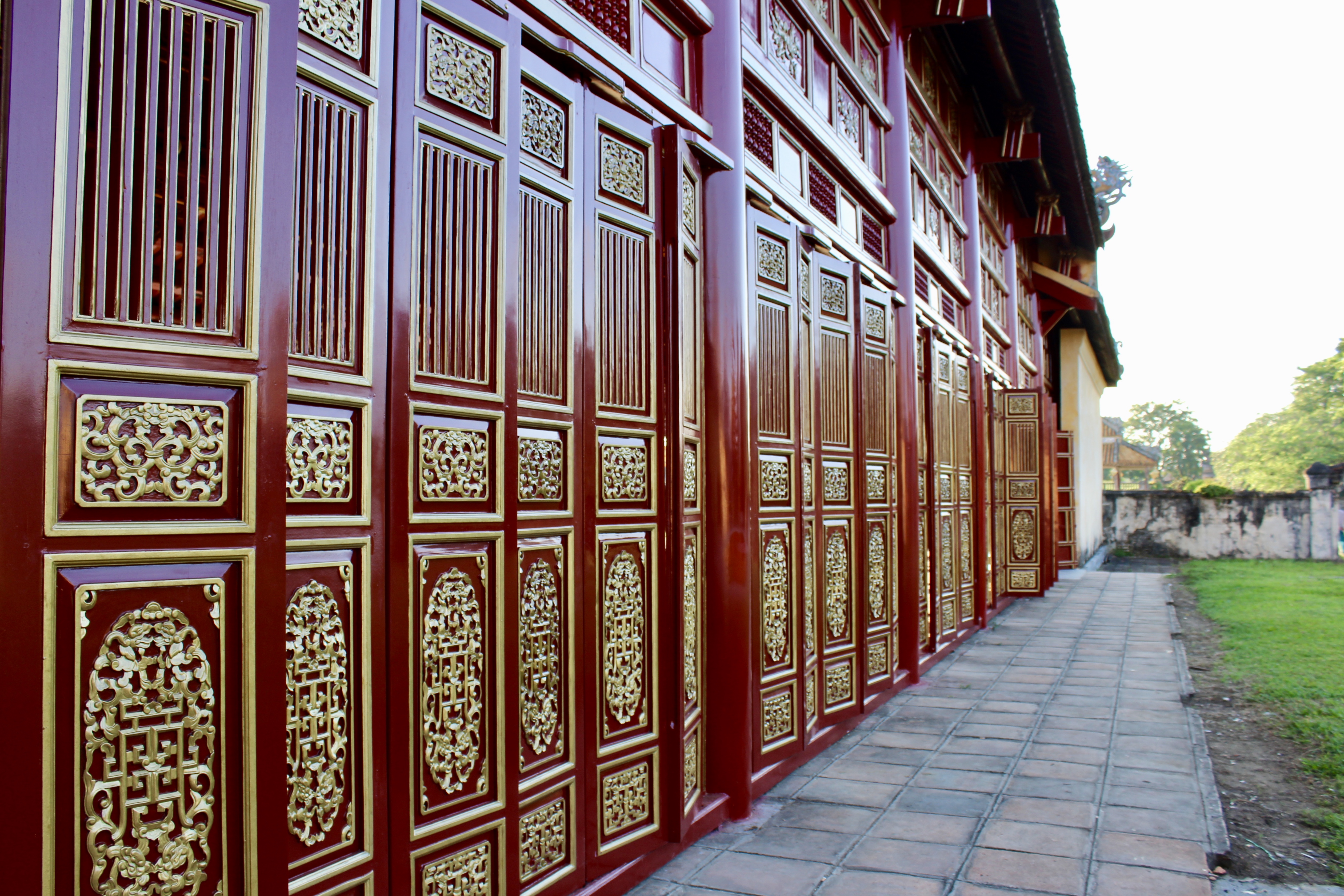
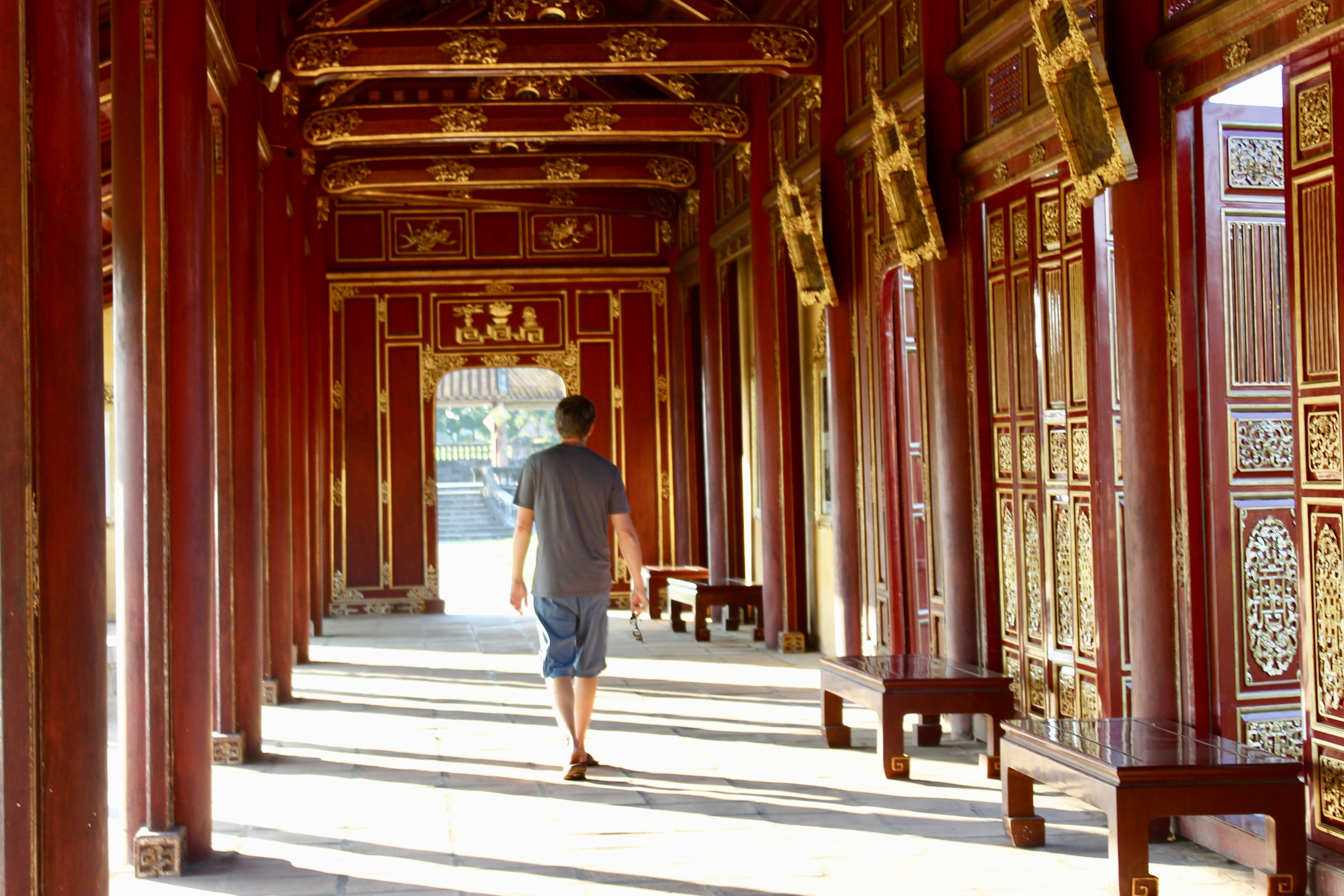
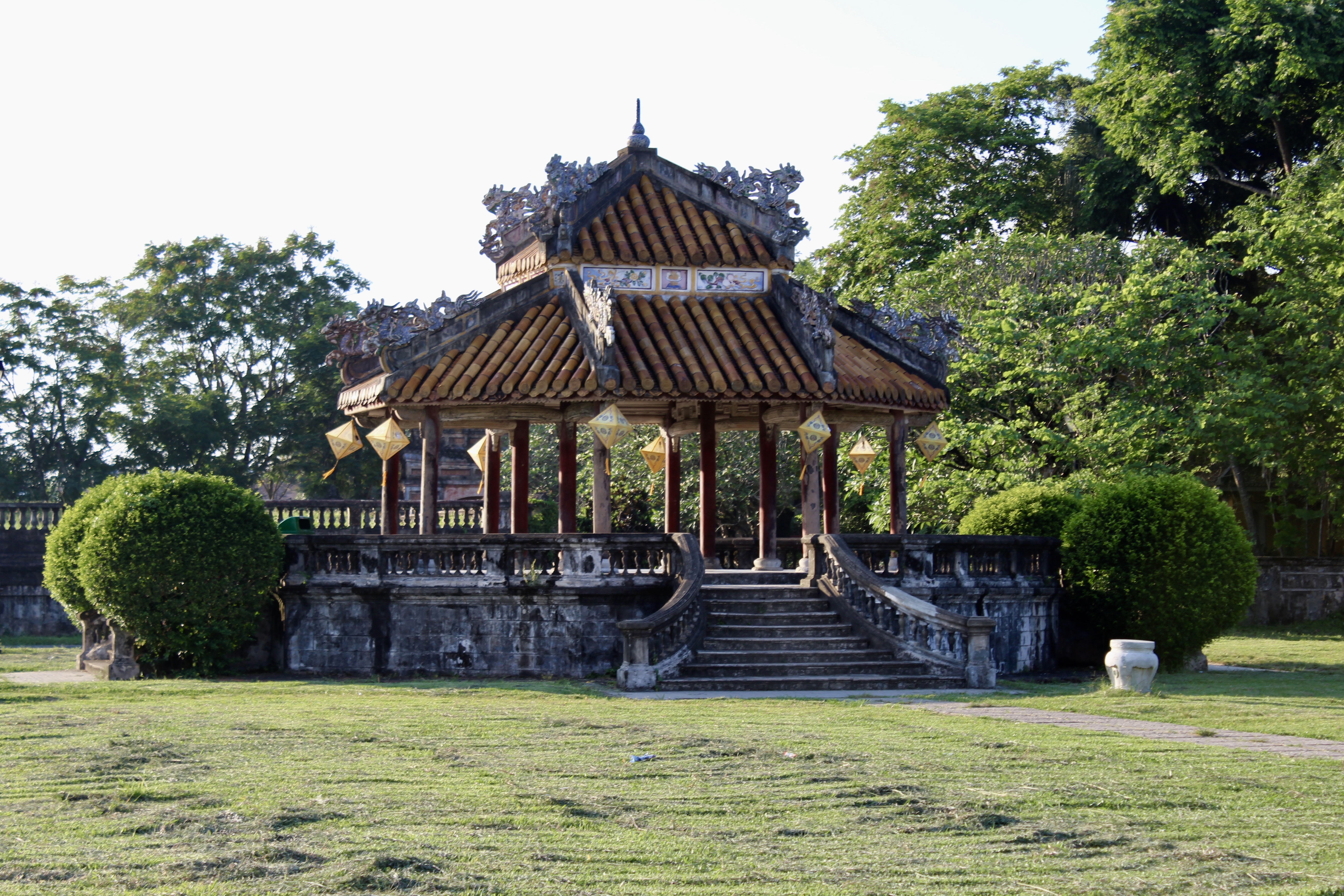
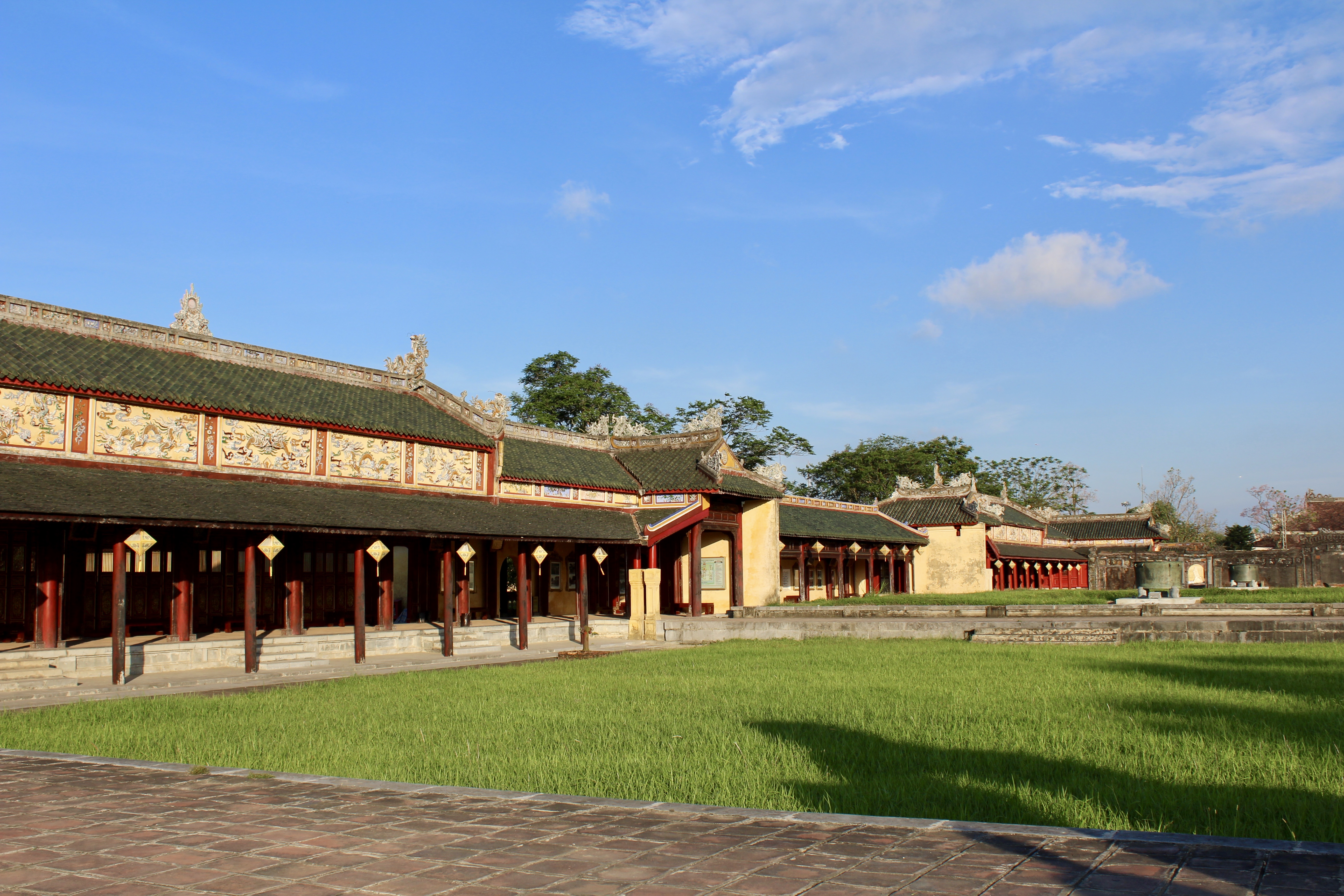
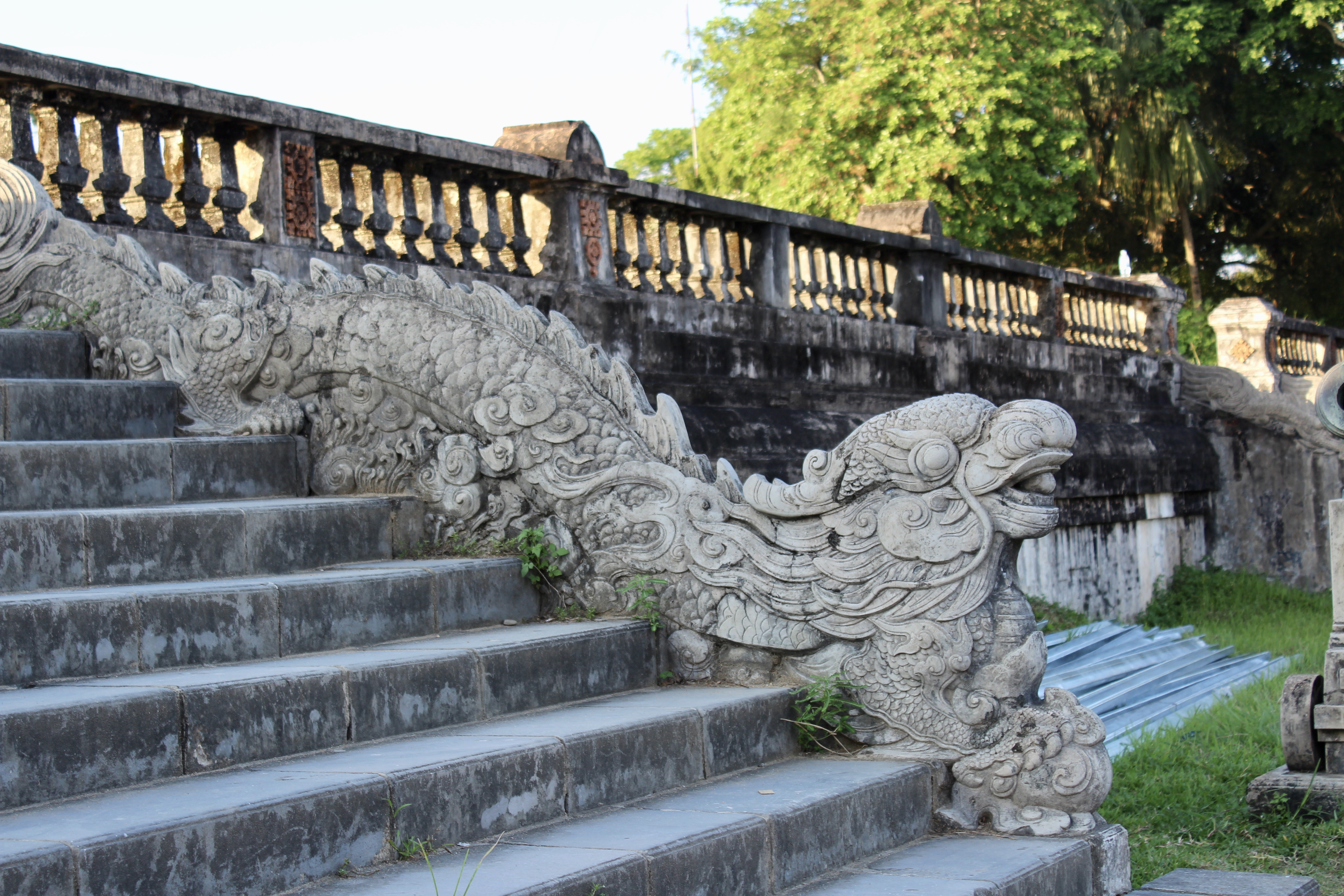
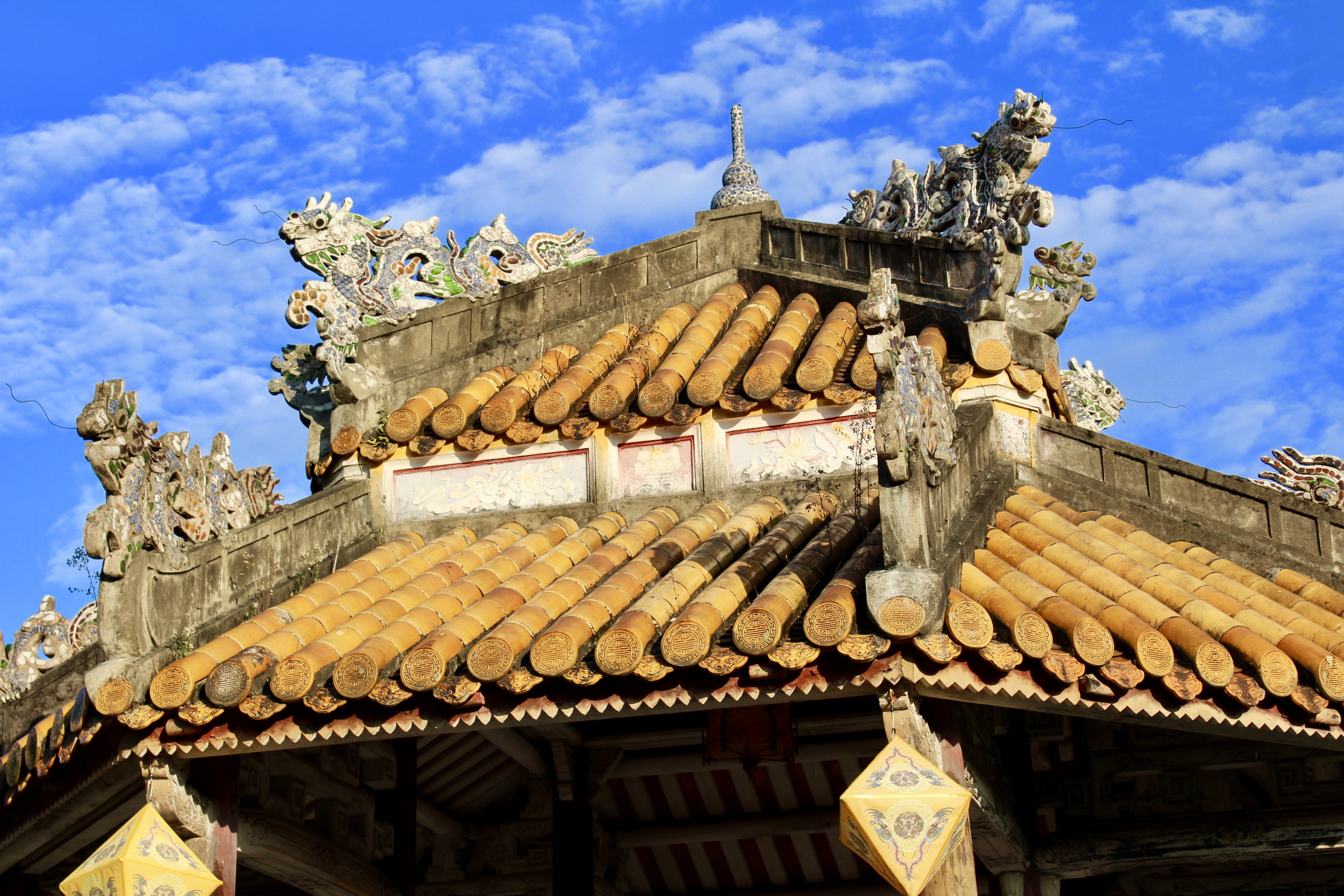
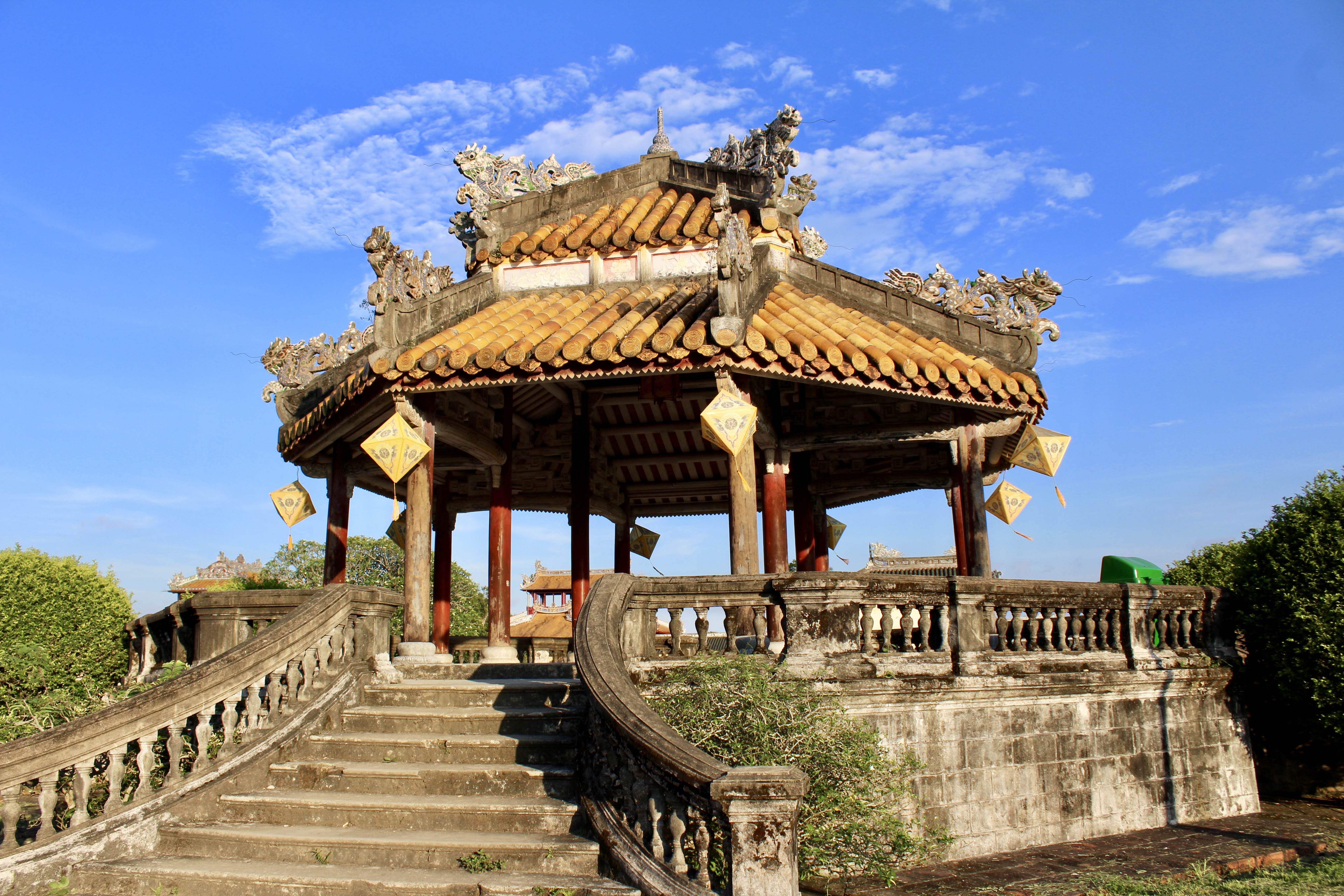
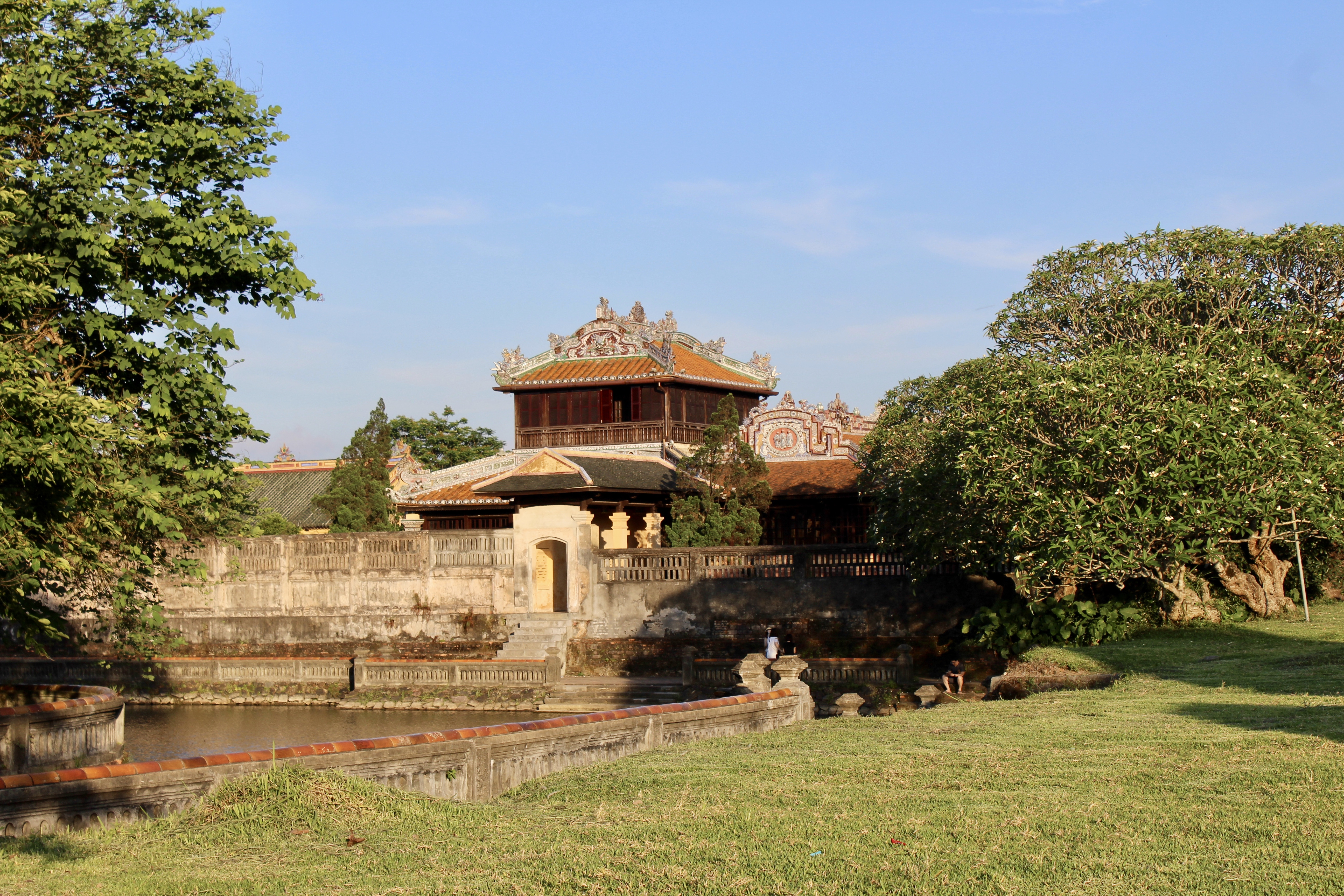
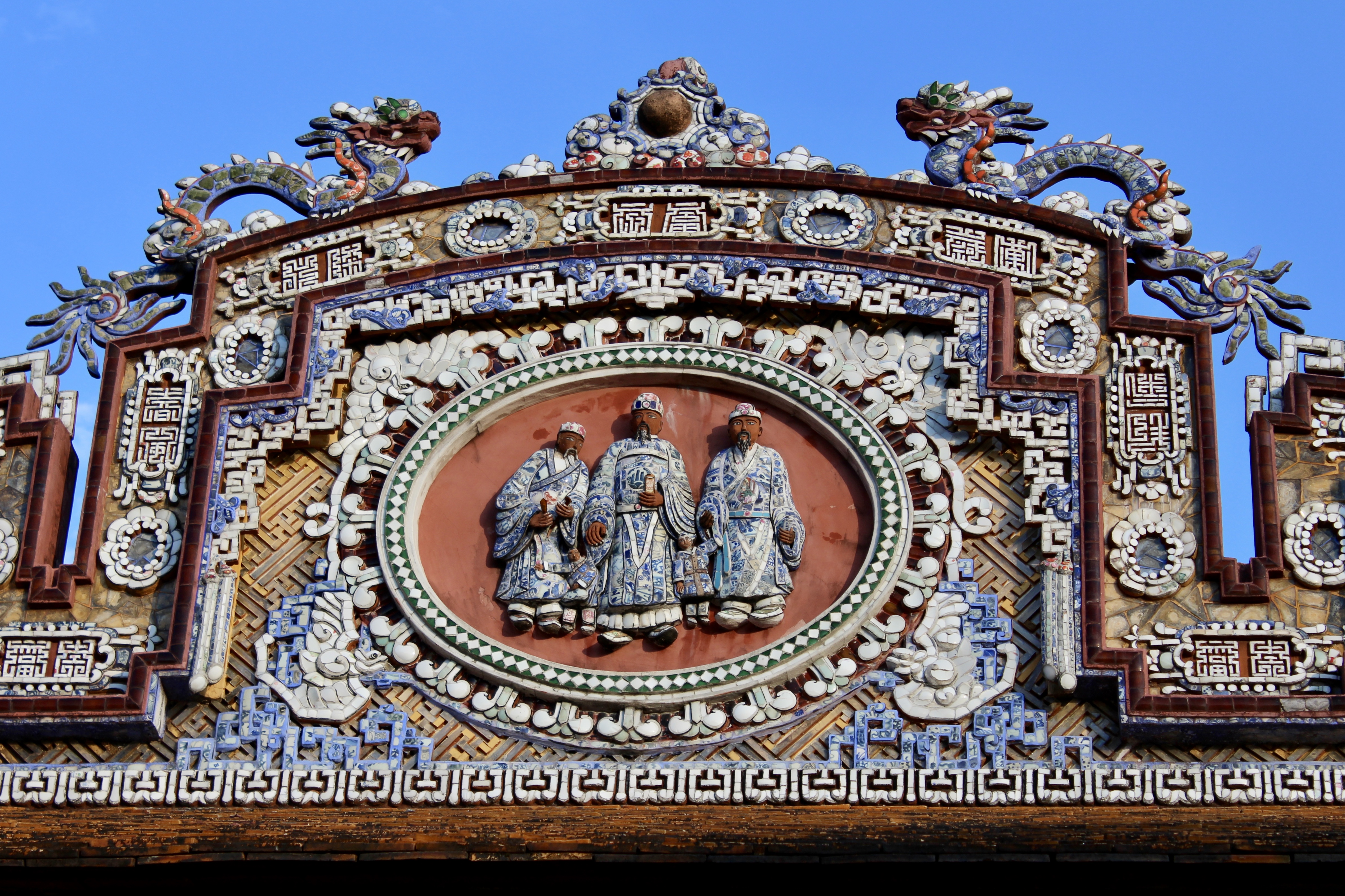
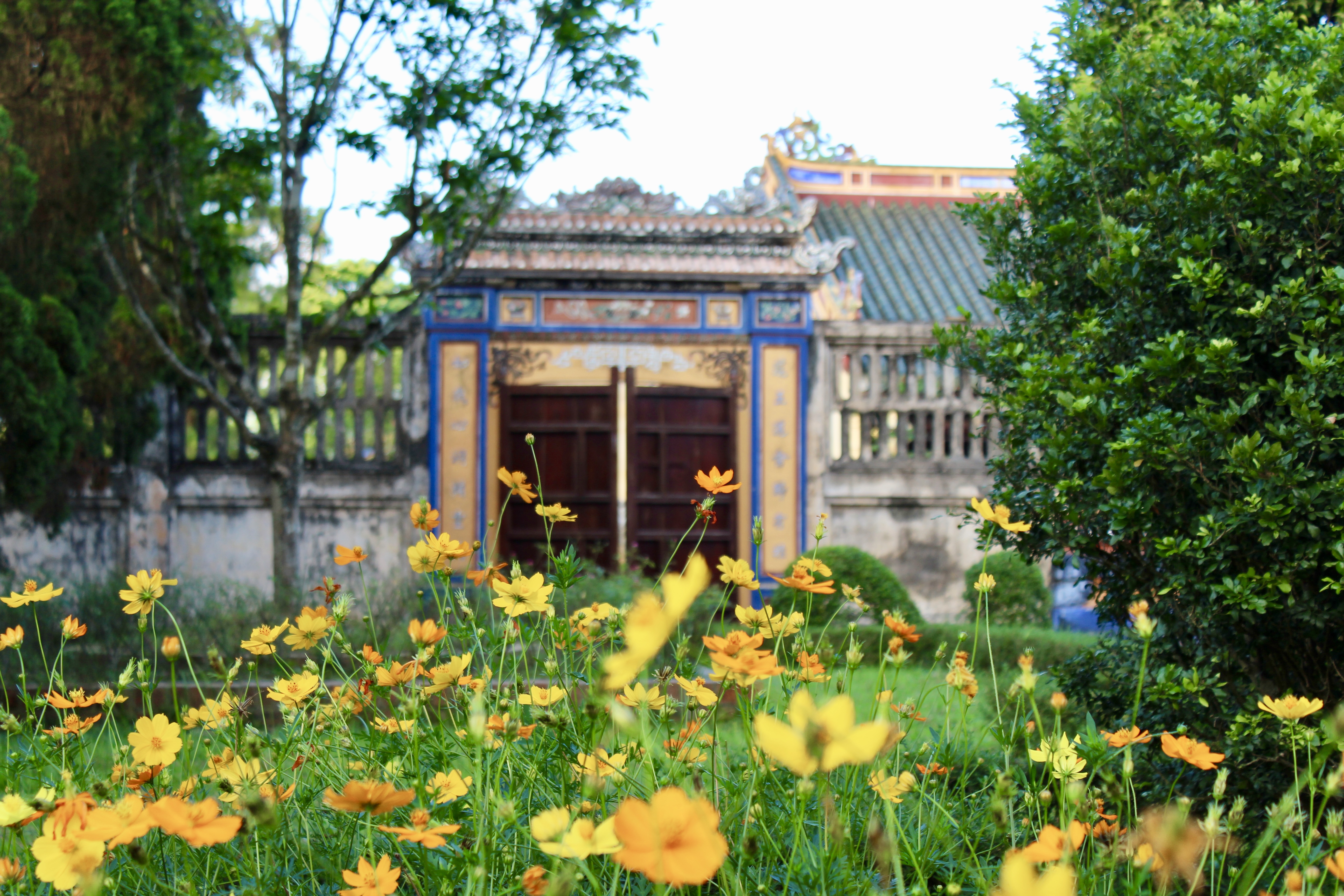
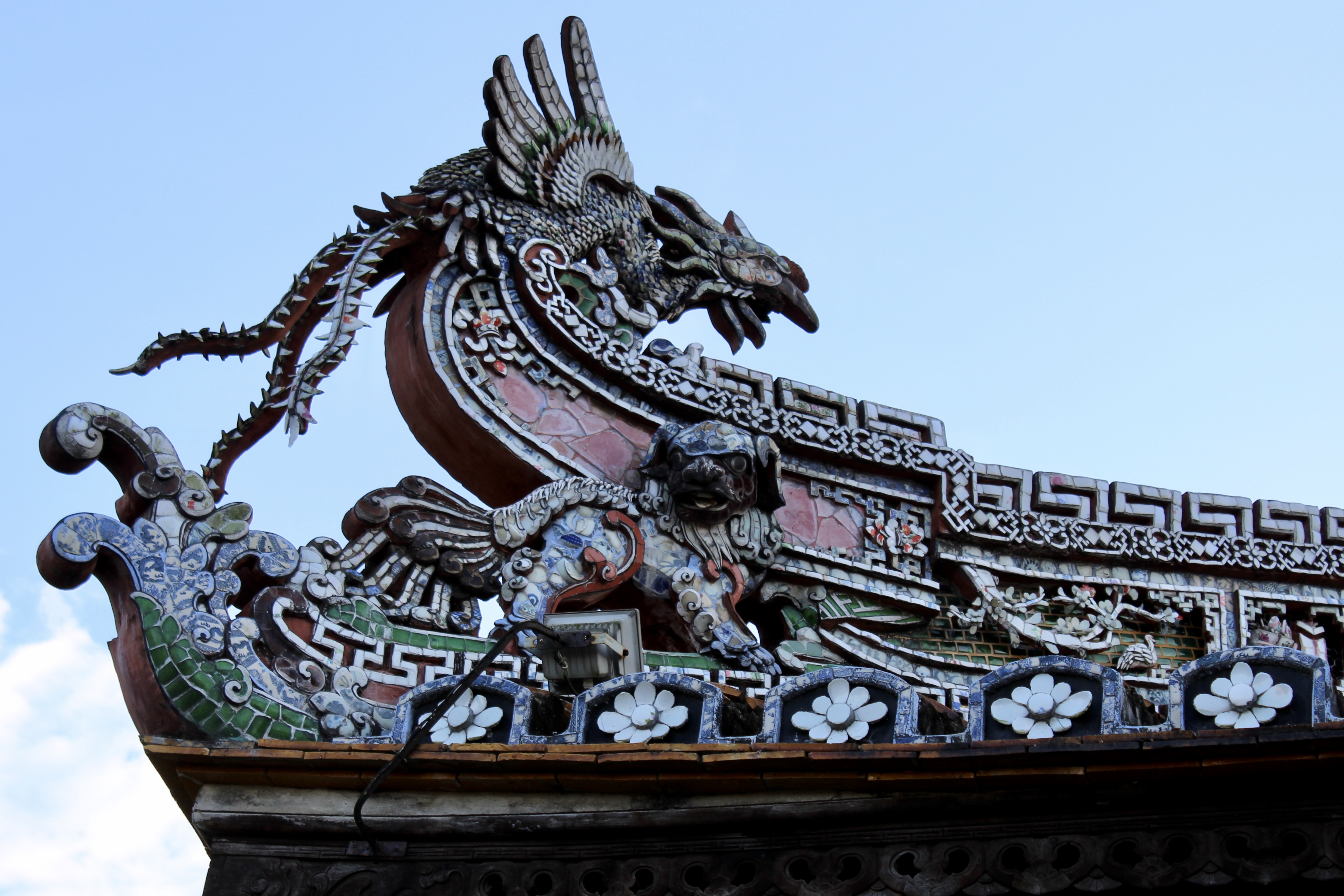
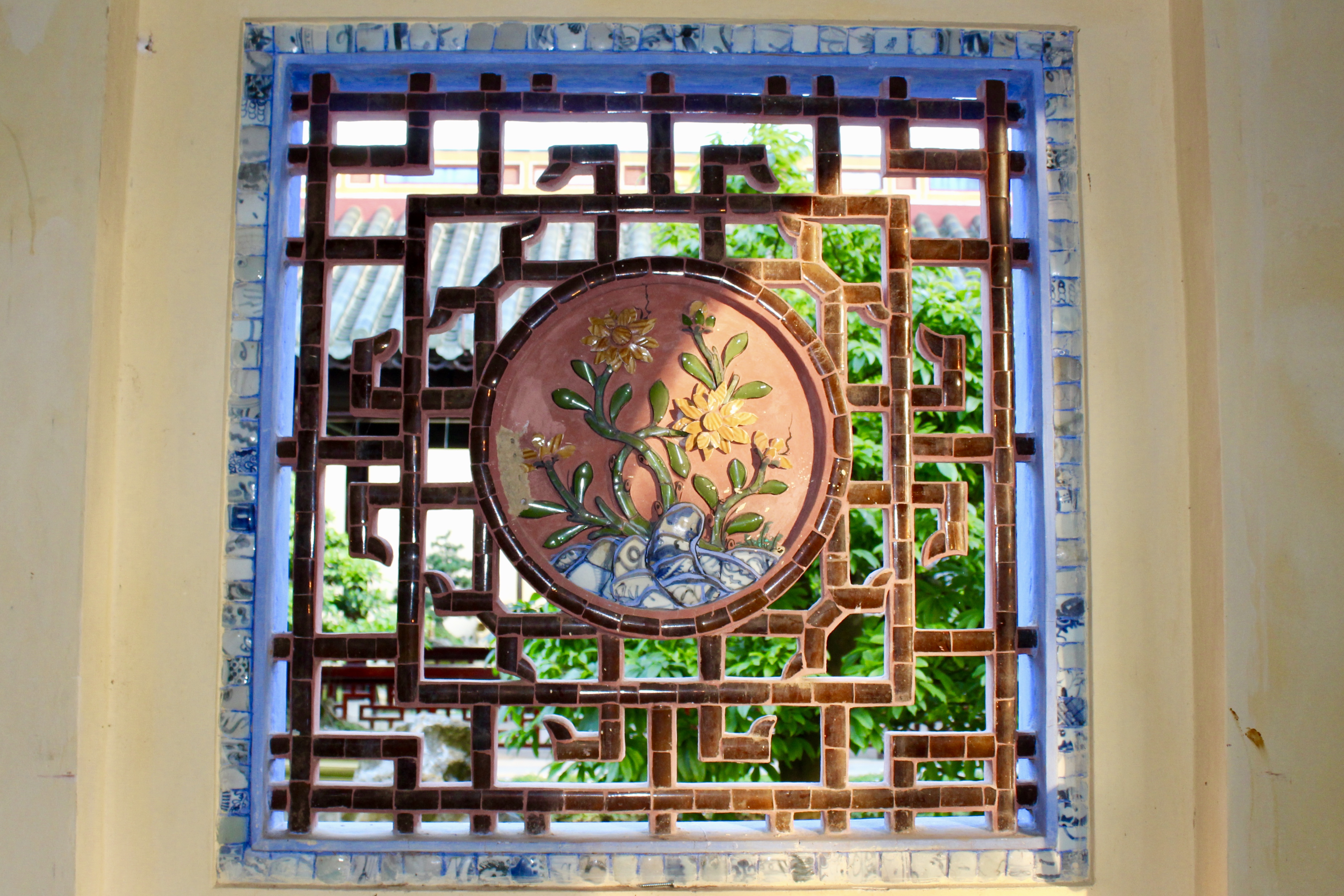
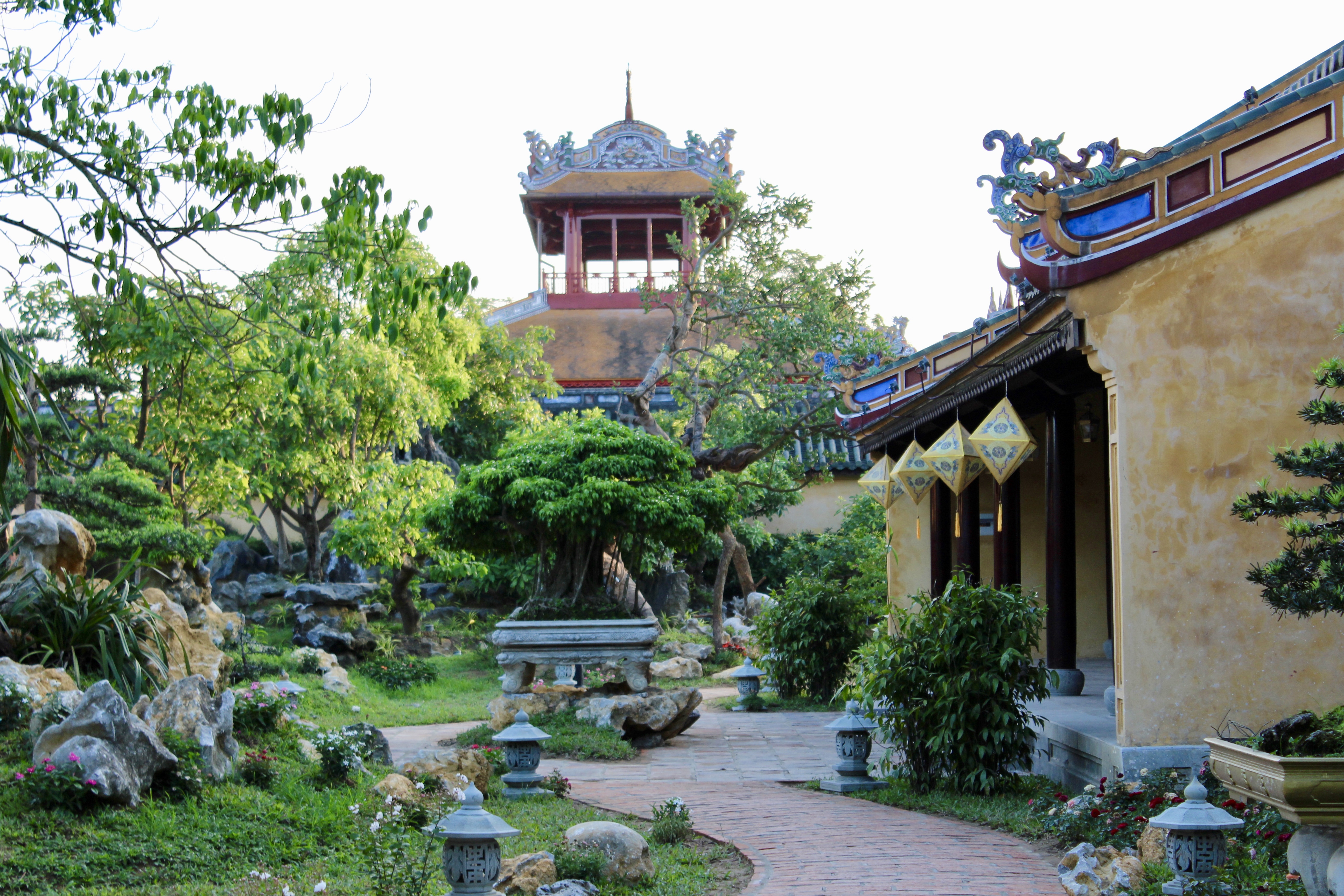
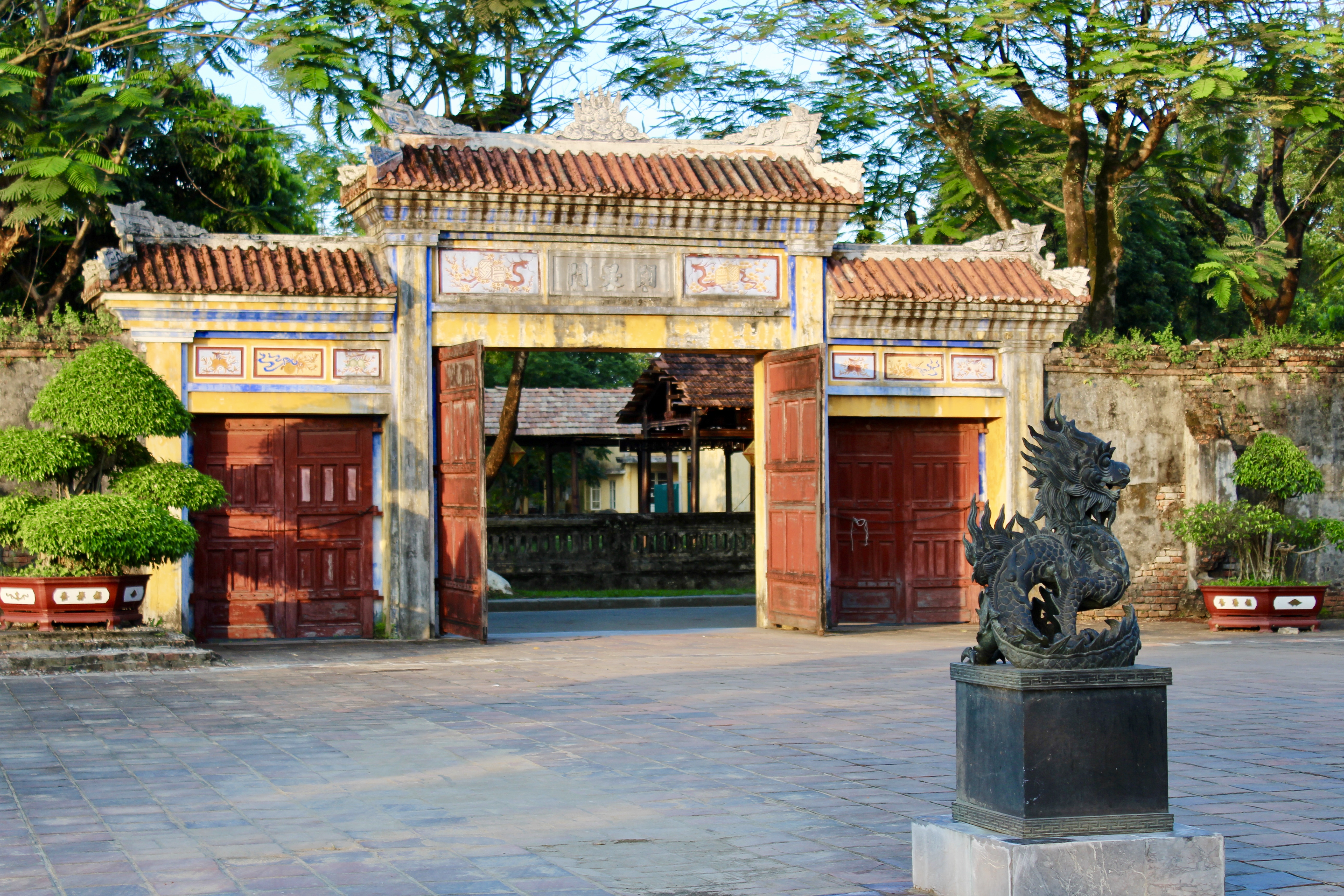
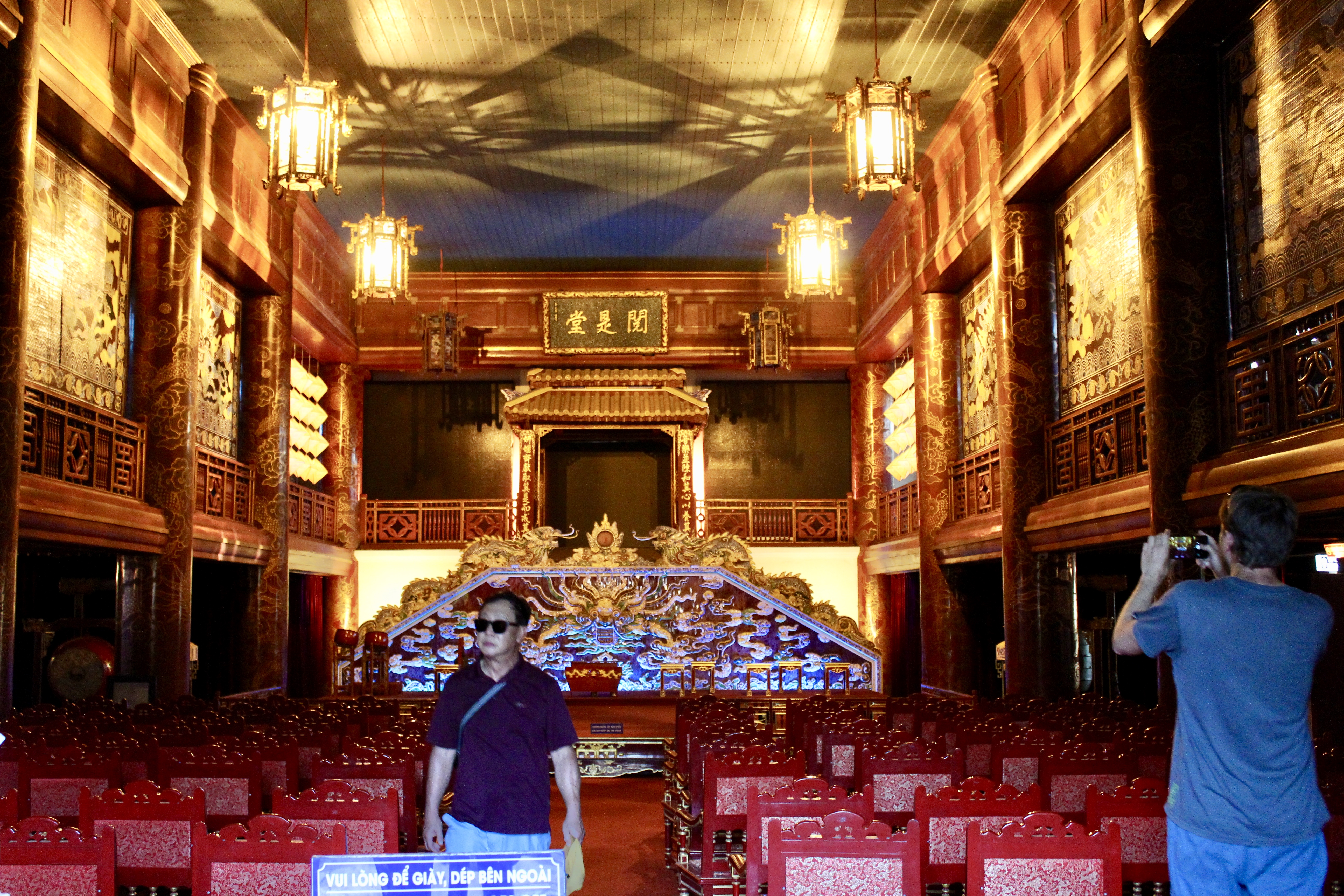
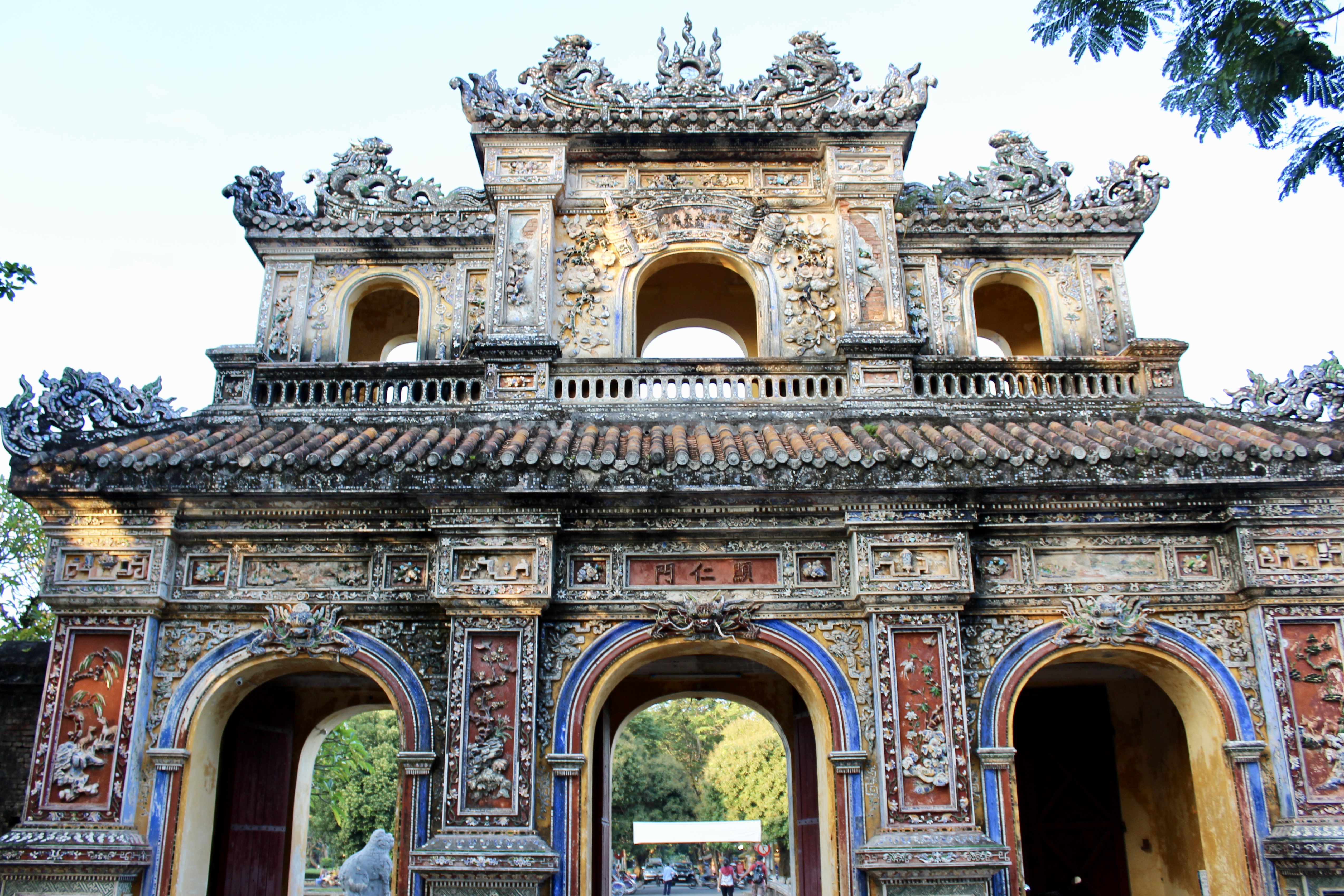
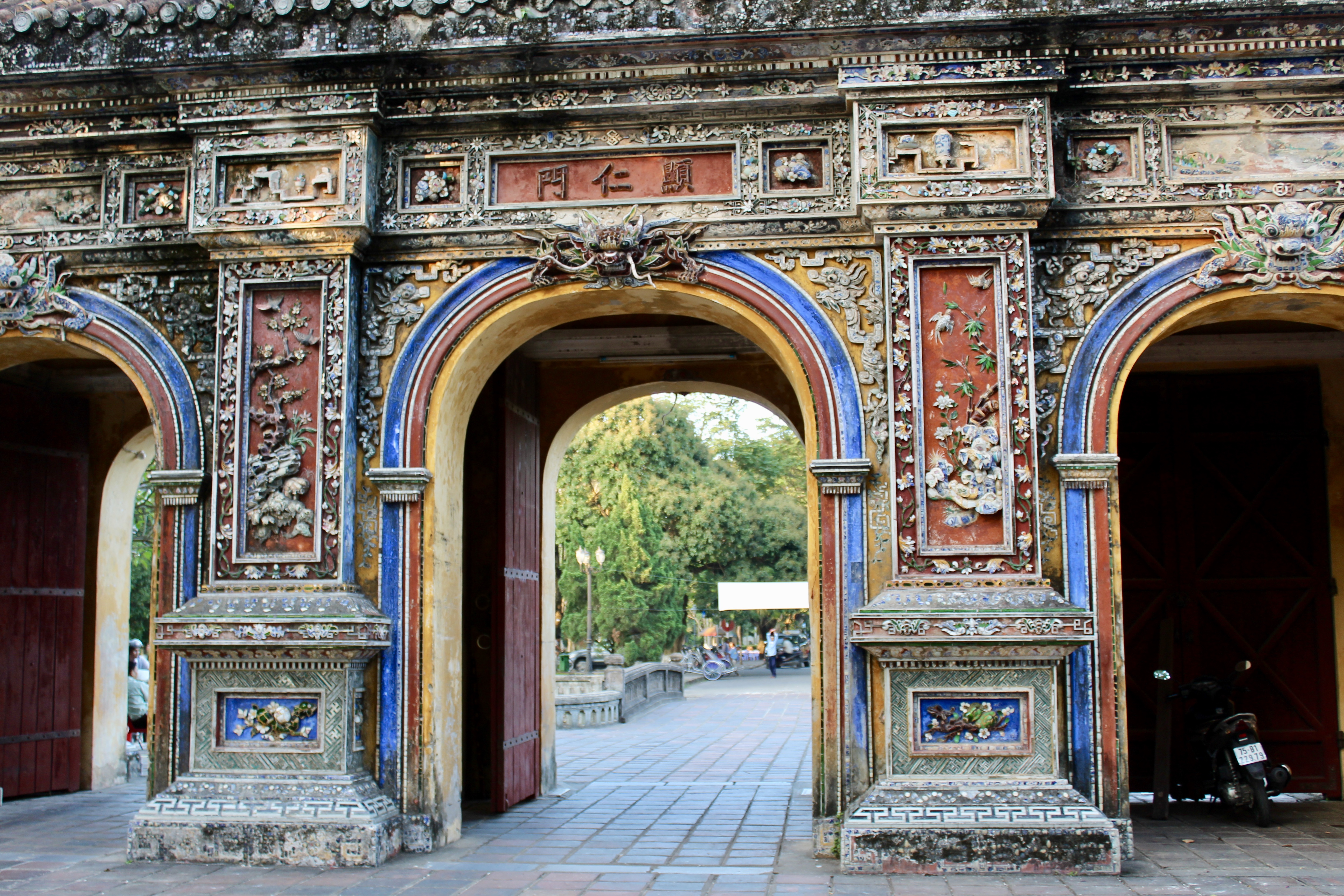
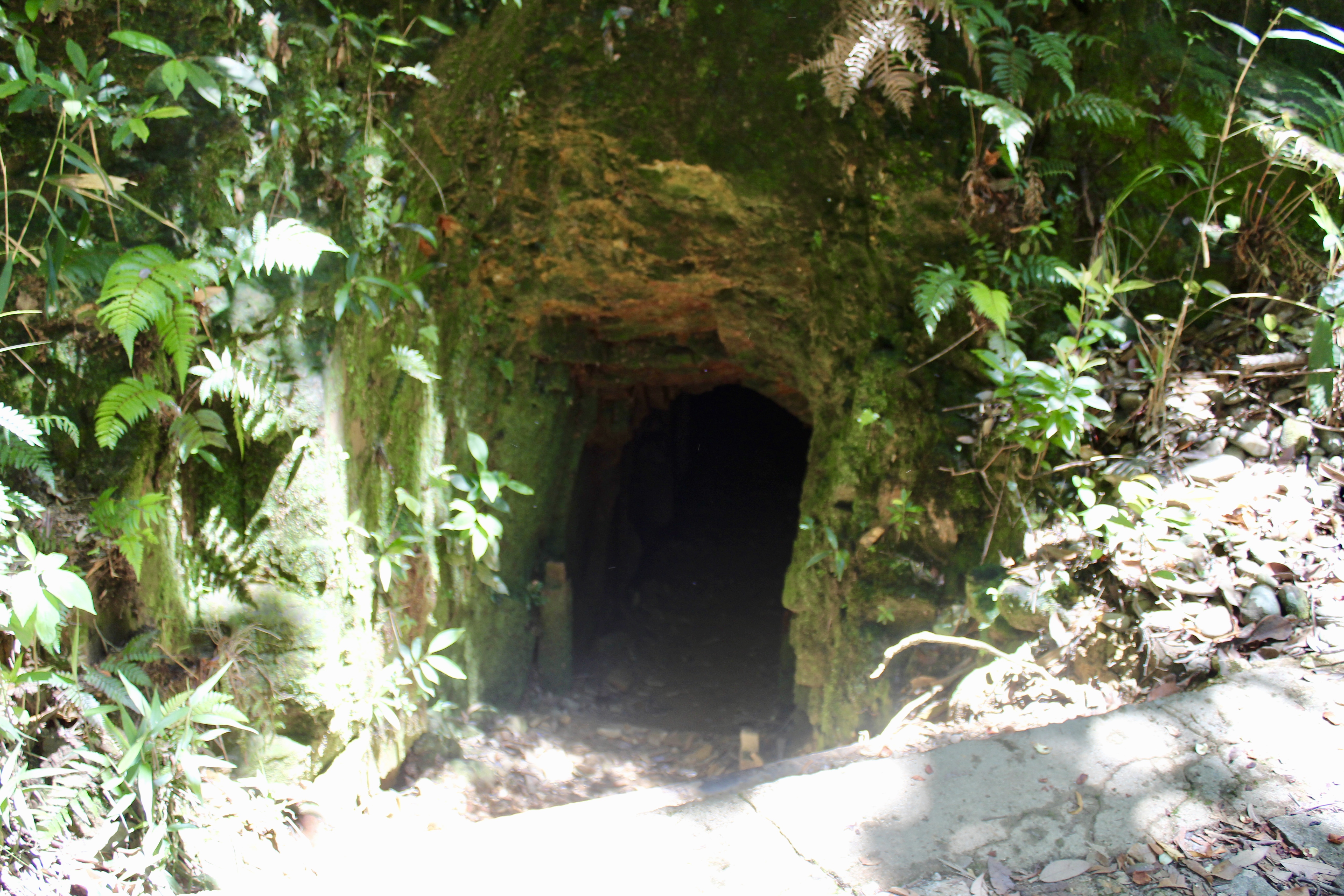
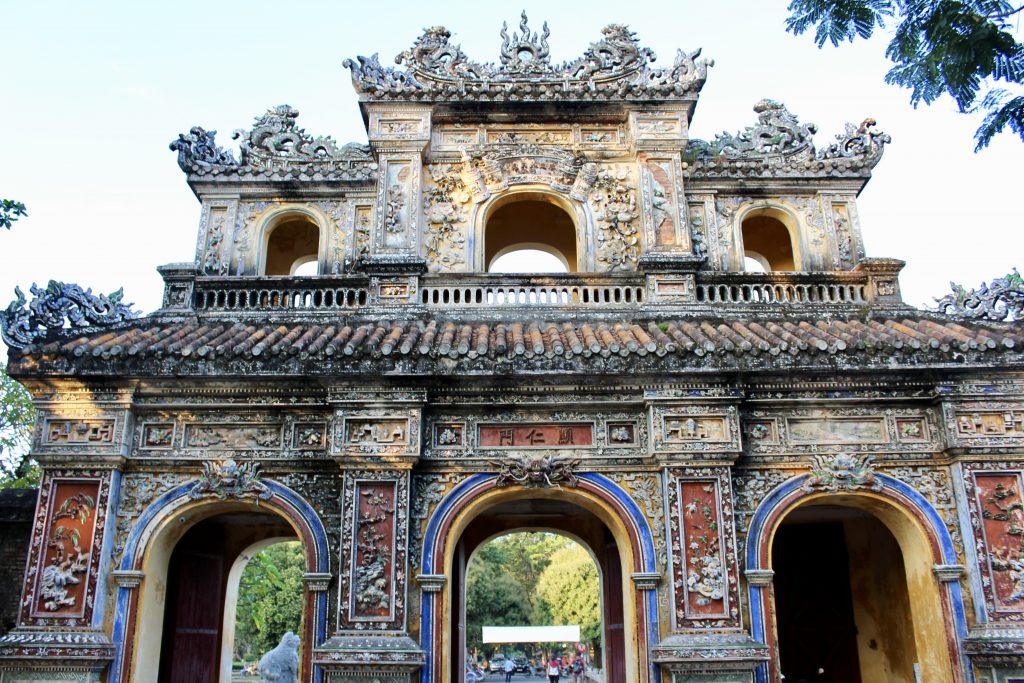
From Hue we visited the war memorials from the Vietnam War, more Buddhist temples and also the old citadel and Vietnamese Emperor’s palace that ruled until they were seized by the Viet Minh, Ho Chi Minh’s coalition, in 1947. The citadel was impressive and interesting to see the old capital and its architecture of the period. The following day we visited an old battle site and part of the Ho Chi Min Trail. It was certainly a long and emotional day. This area has one of the longest and most elaborate tunnel systems in the country making it a popular tourist attraction for Vietnamese and foreigners alike. During the Vietnam War the constant bombing of this area forced many Vietnamese to move below ground for safety. This allowed gorilla troops and civilians to avoid detection by the South Vietnamese and American troops. The North used these systems to empower the average civilian that supported their cause to be a part of the war when the opportunity arose.
However, as you can imagine, life below ground is a hardship to endure. Very dark with a whole family of 4 or 5 sleeping in an area as small as a double bed and there were whole cities living here. Children were born and lived the first few years of their lives never seeing sunlight. Most of the day was spent in total darkness. It is truly heartbreaking and humbling to stand in a place of such hardship.
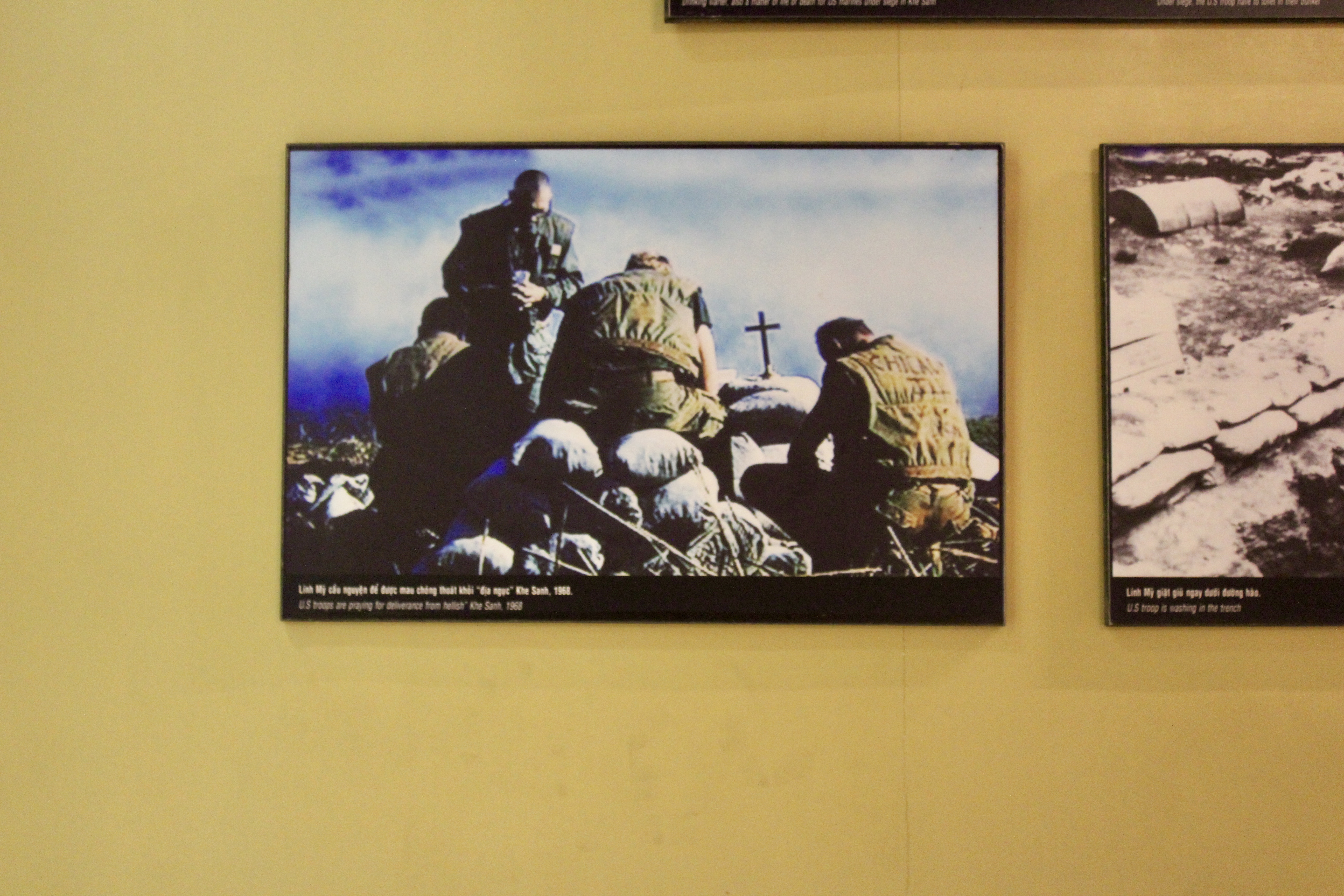
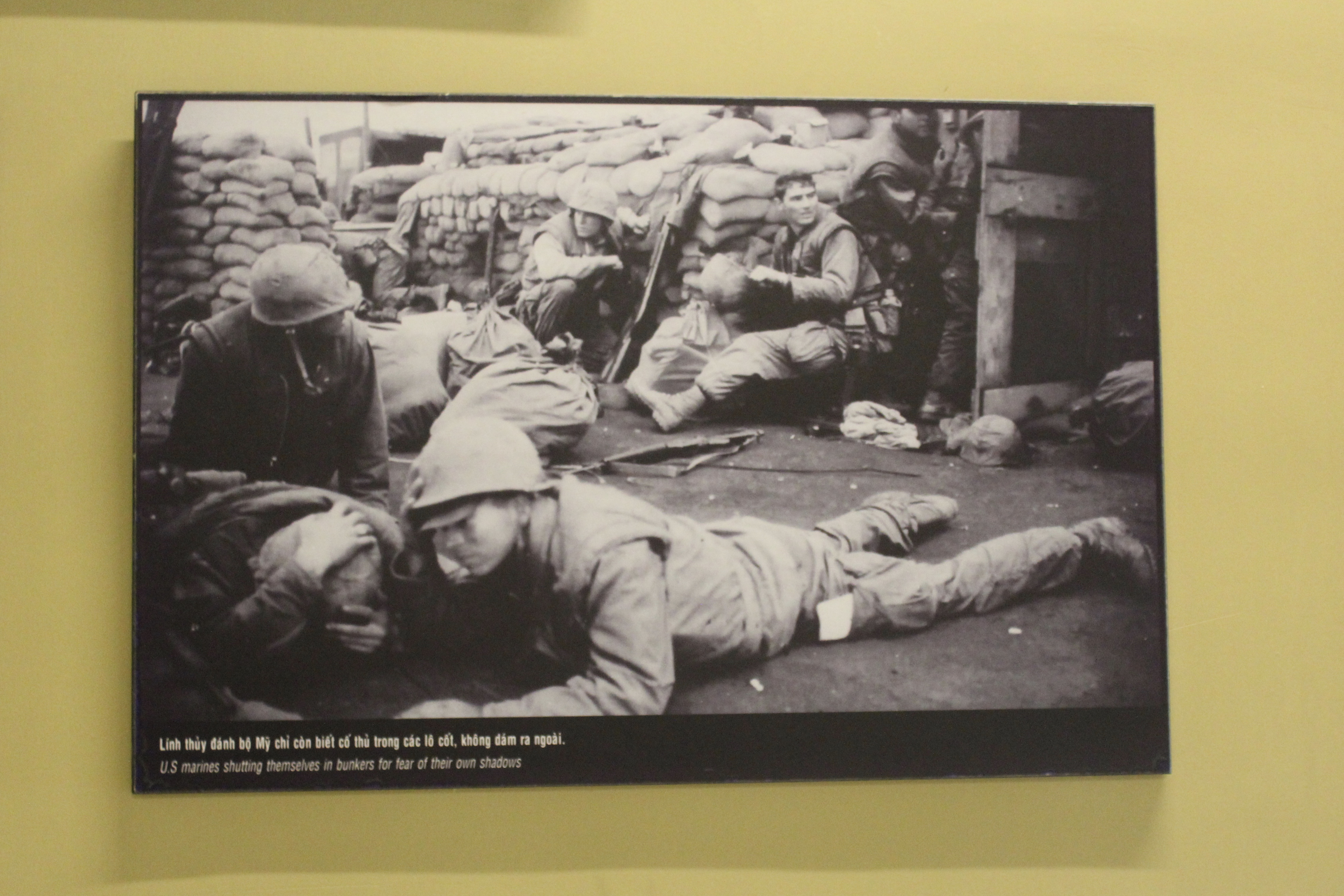
Although a considerably smaller amount of Americans died in this war, we too lost some of our own and had our own heartbreaks. Unfortunately, the war museum at this site champions and has national pride in conquering the American puppeteers as they saw it. Obscene sentiments listed below photos, dog tags of dead soldiers hanging on display, selling of medallions from lost American soldiers uniforms. On top of that, plenty of false propaganda repeated by guides and written on plaques. They even conveniently leave out the later oppression of South Vietnamese following the war and make it sound as if they didn’t send their own people to “reeducation camps” that were actually concentration camps. They say winner writes history. Their books, their museum, their story I suppose. If the tunnels weren’t enough to leave me troubled, this doubled down. It’s a tragic event any way you look at it. Too many people lost.
One thing you could say that is good that came from the war, if you can say any good comes from war, is that more than 300,000 South Vietnamese migrated to the US following 1975. Because of this we actually have the second largest population of Vietnamese next to Vietnam, and these wonderful people brought their wonderful cuisine with them.
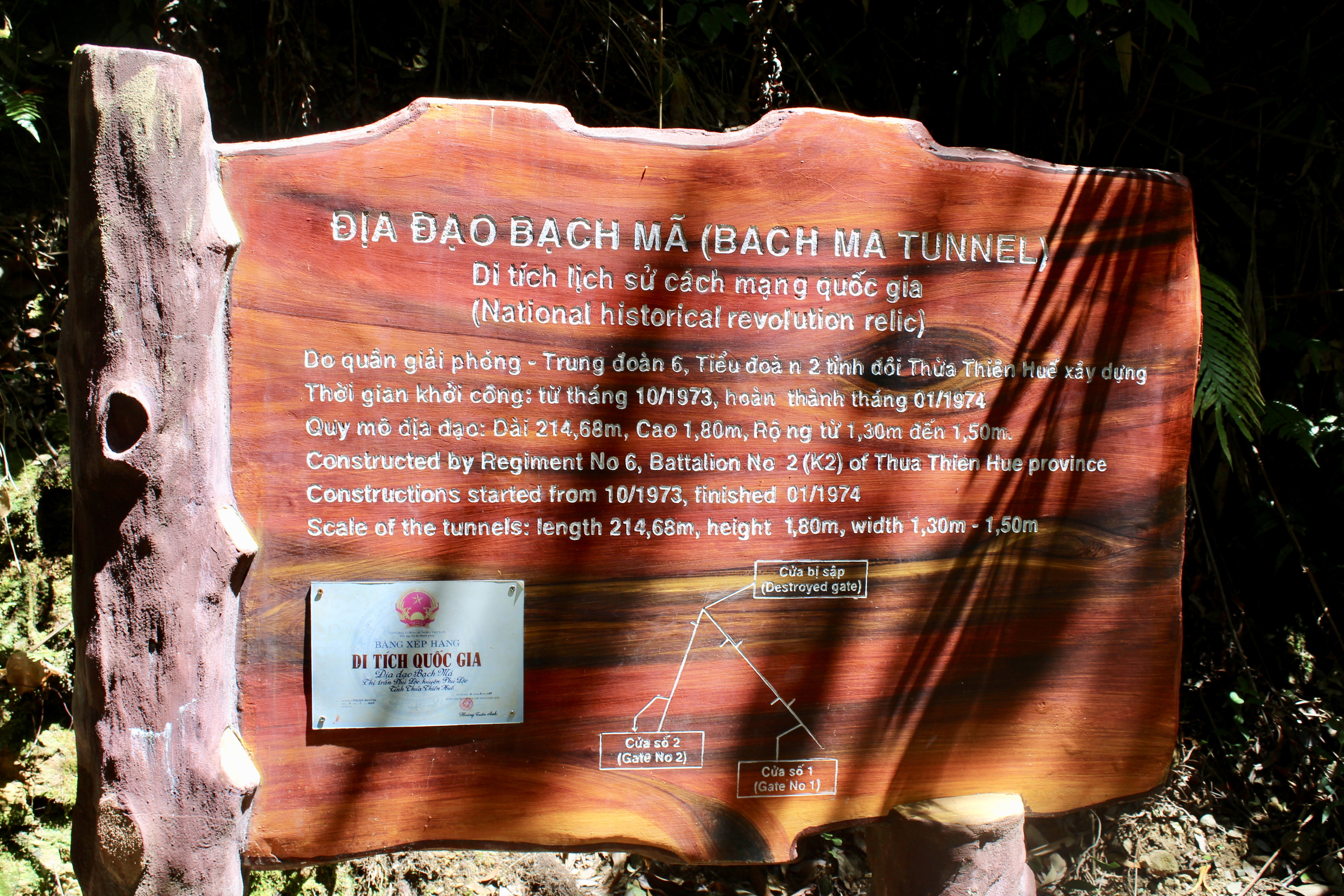
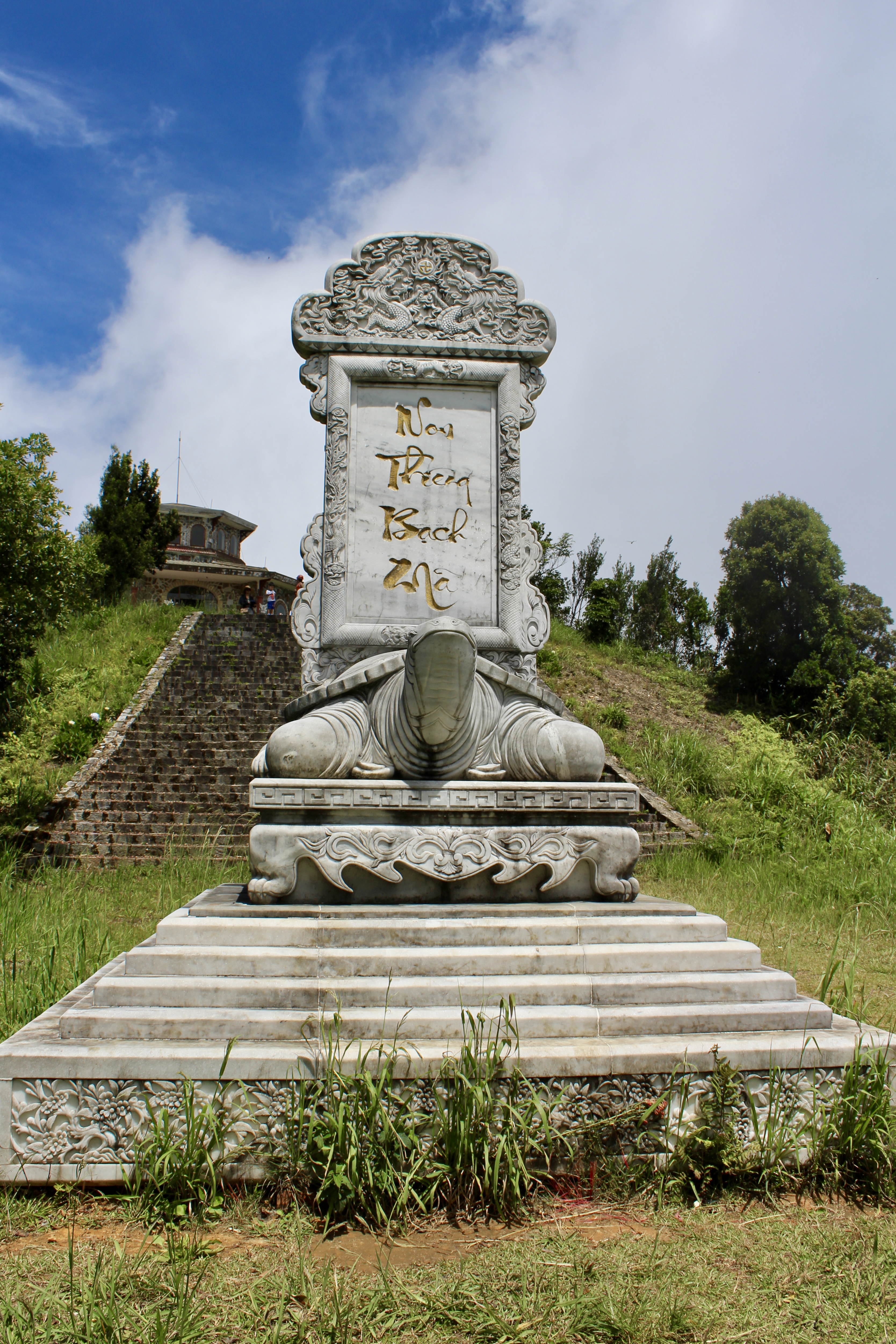
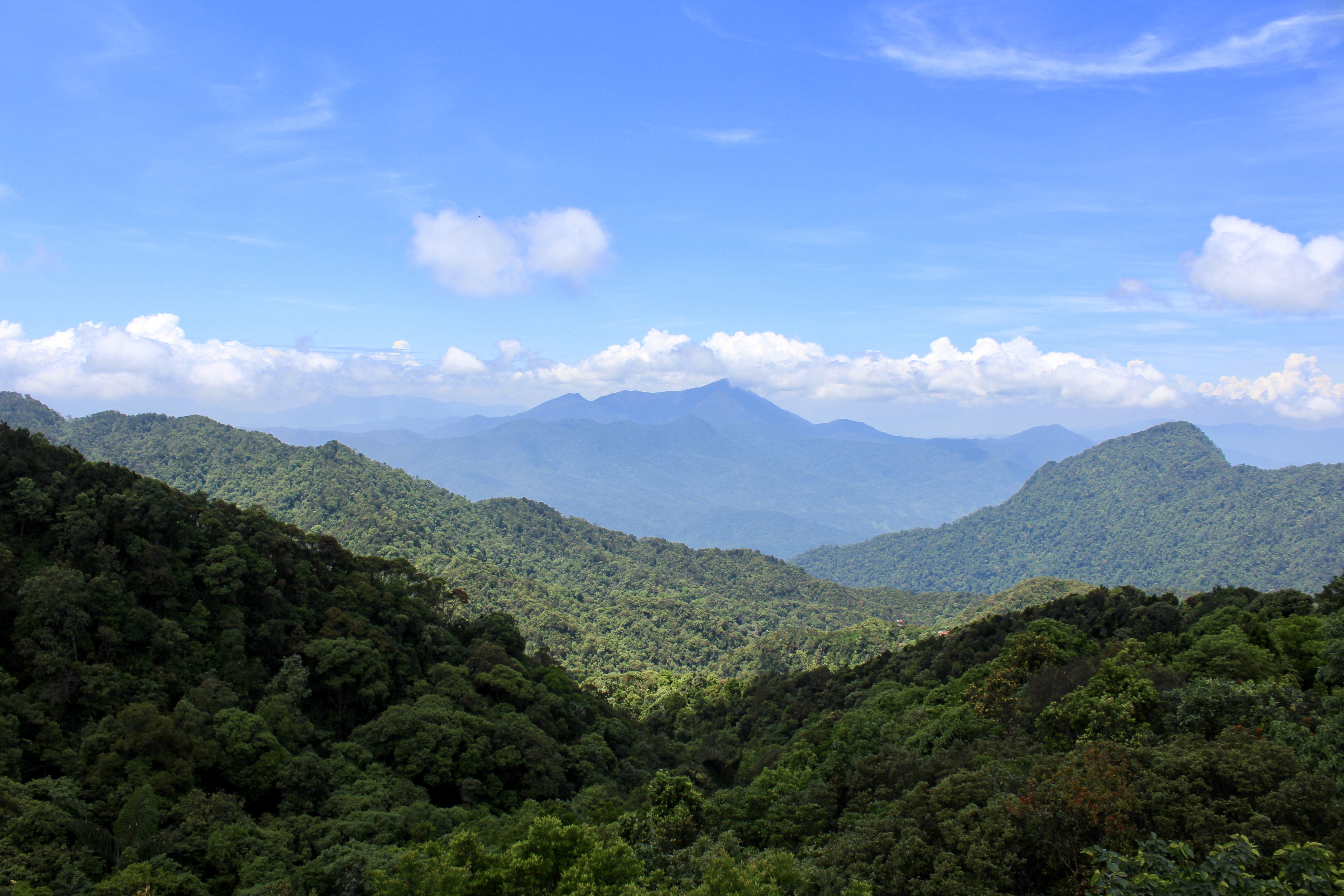
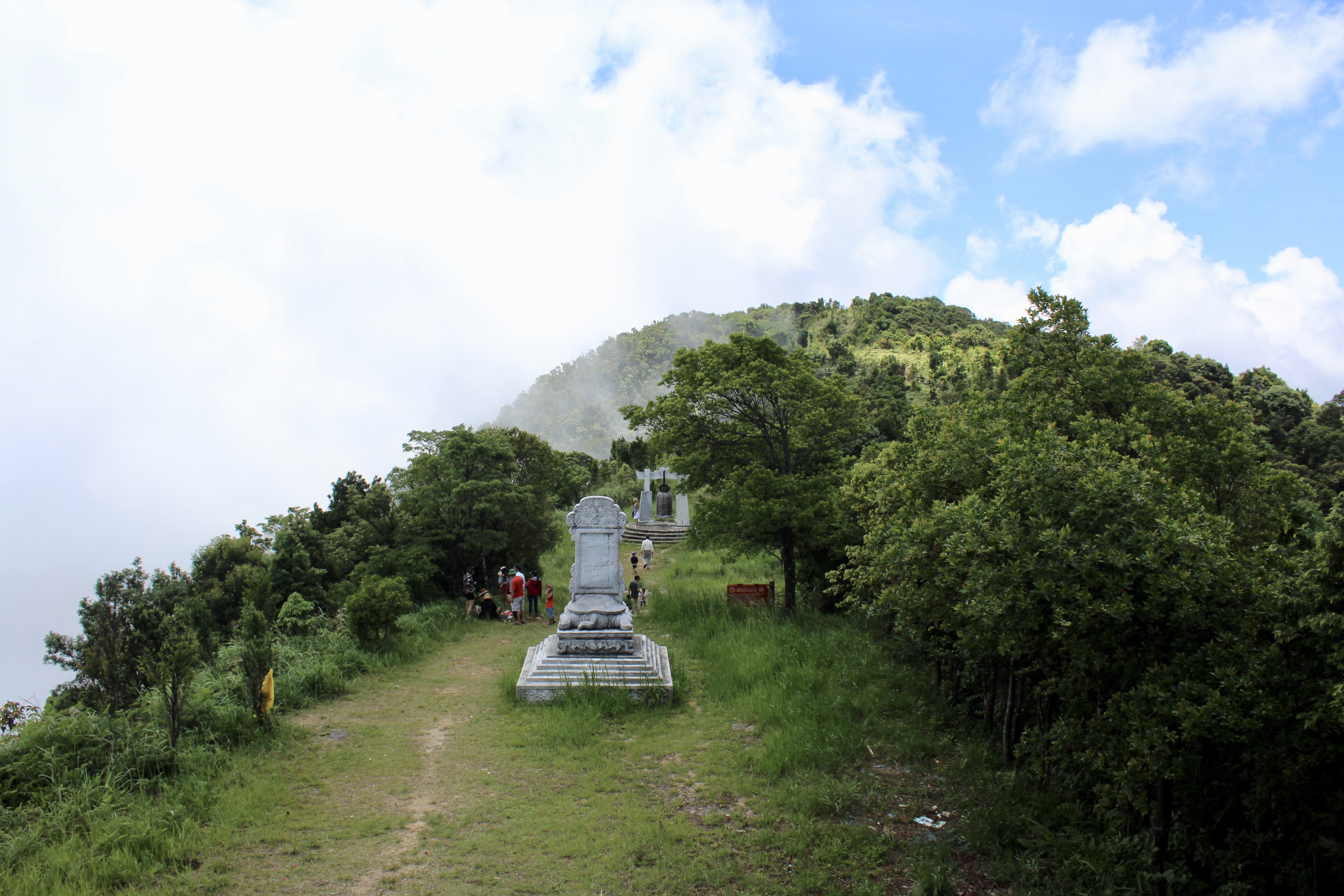
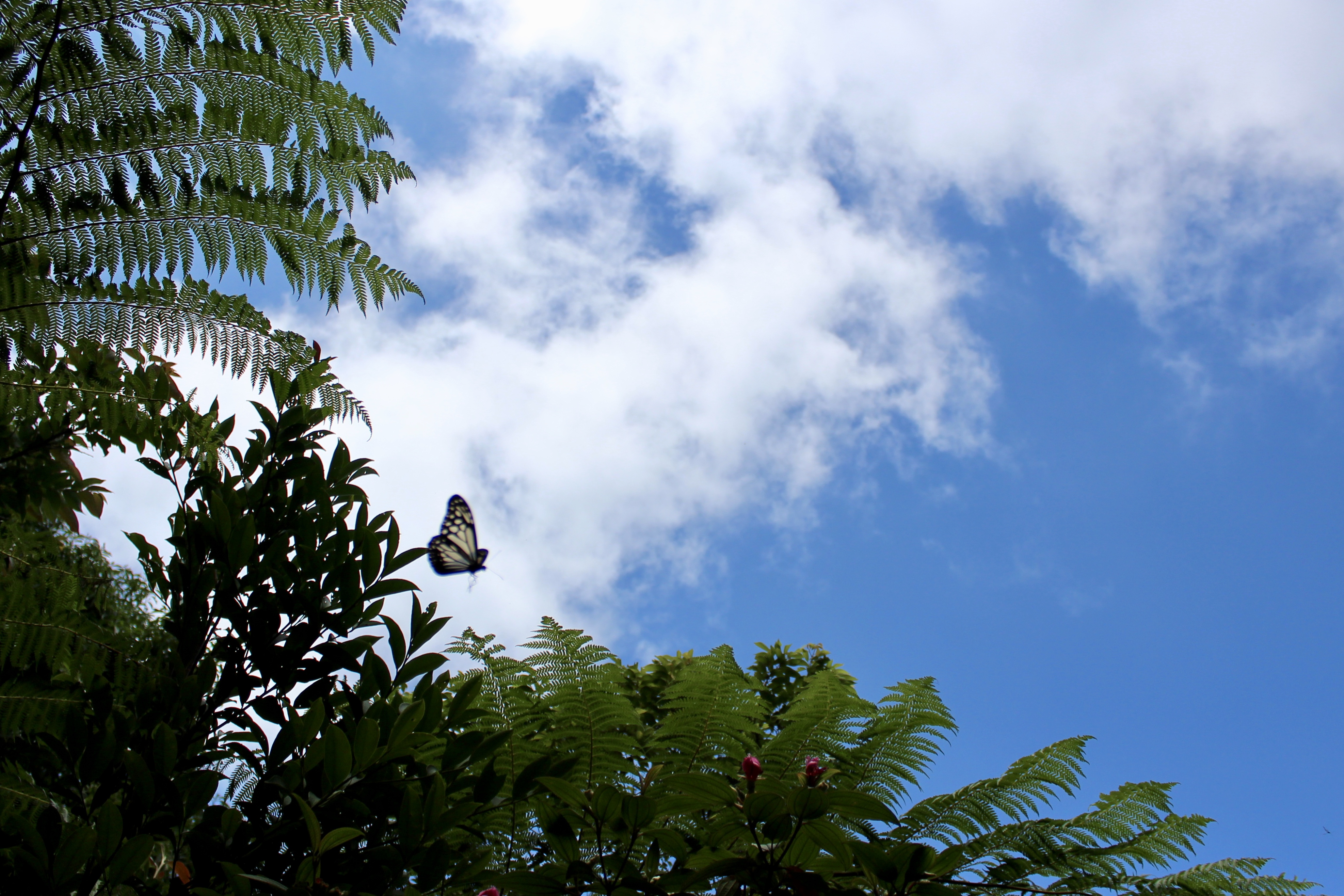
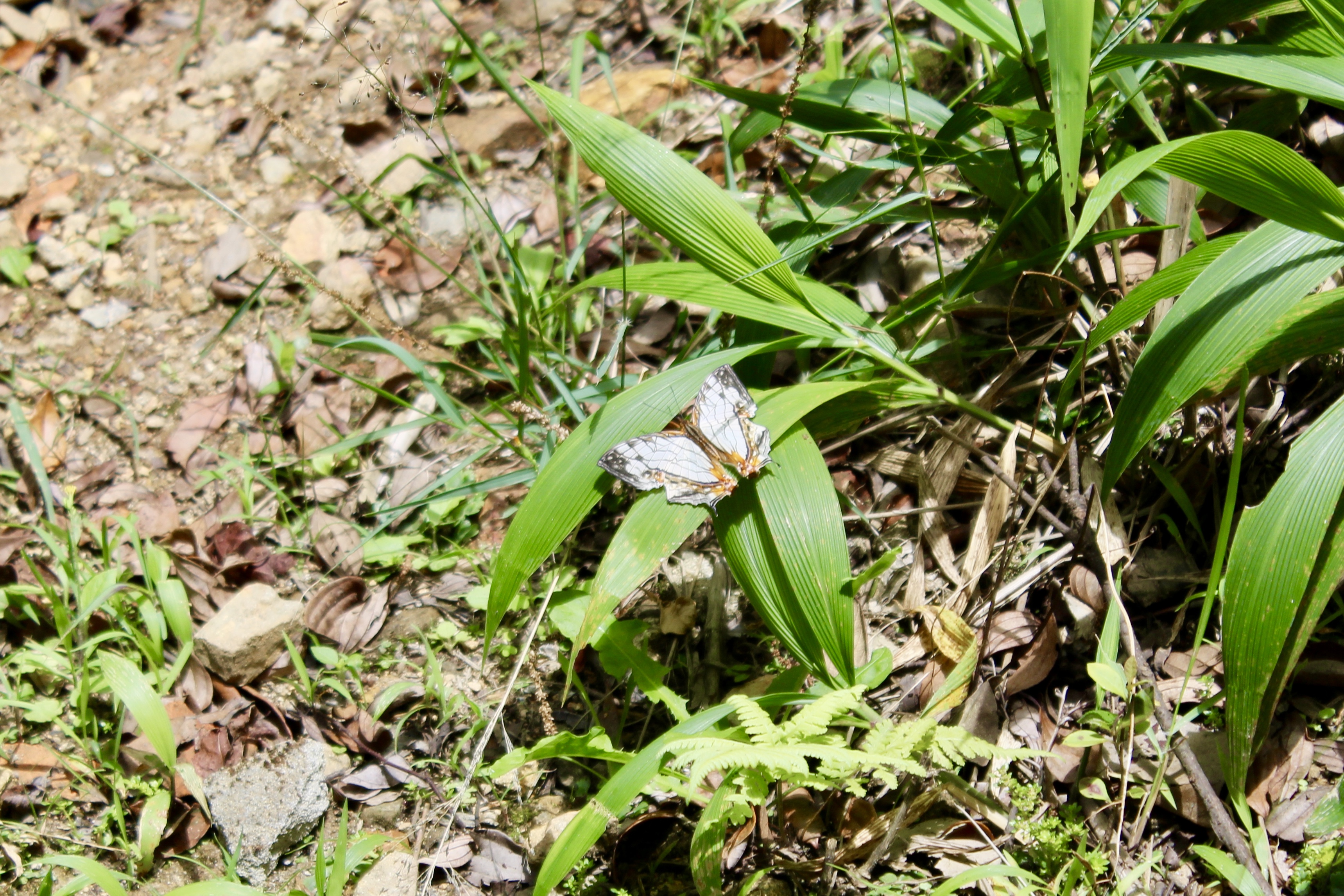
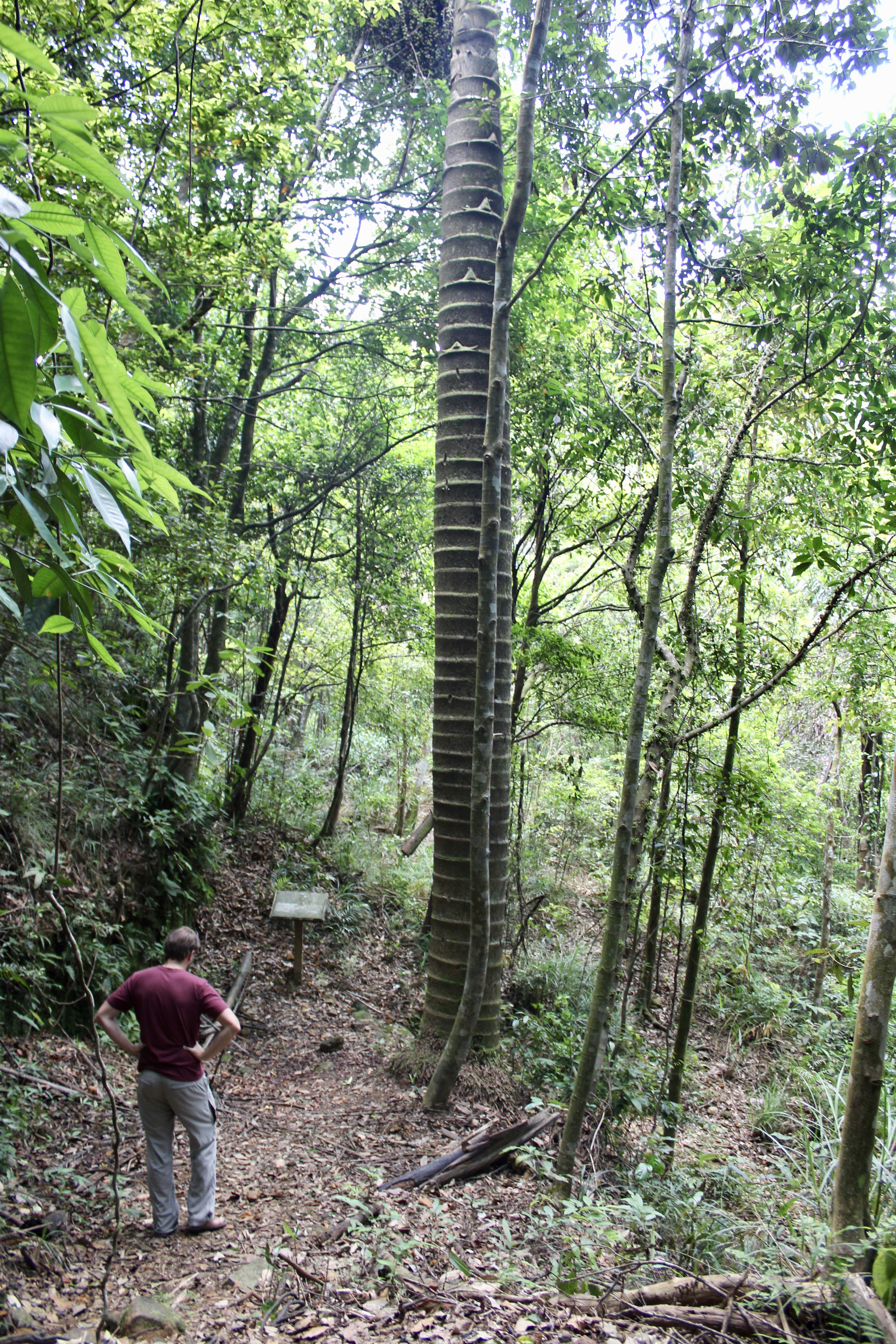
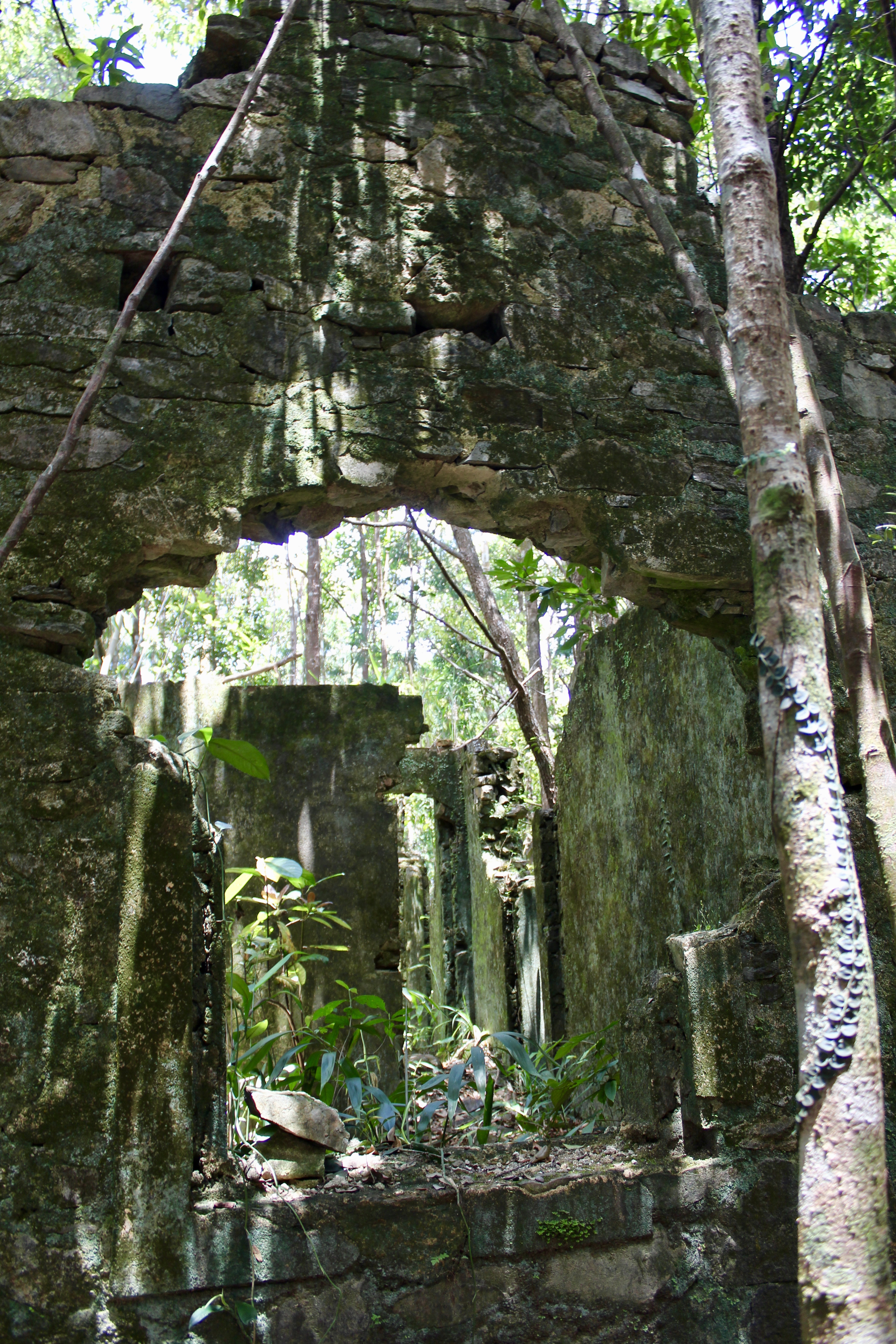
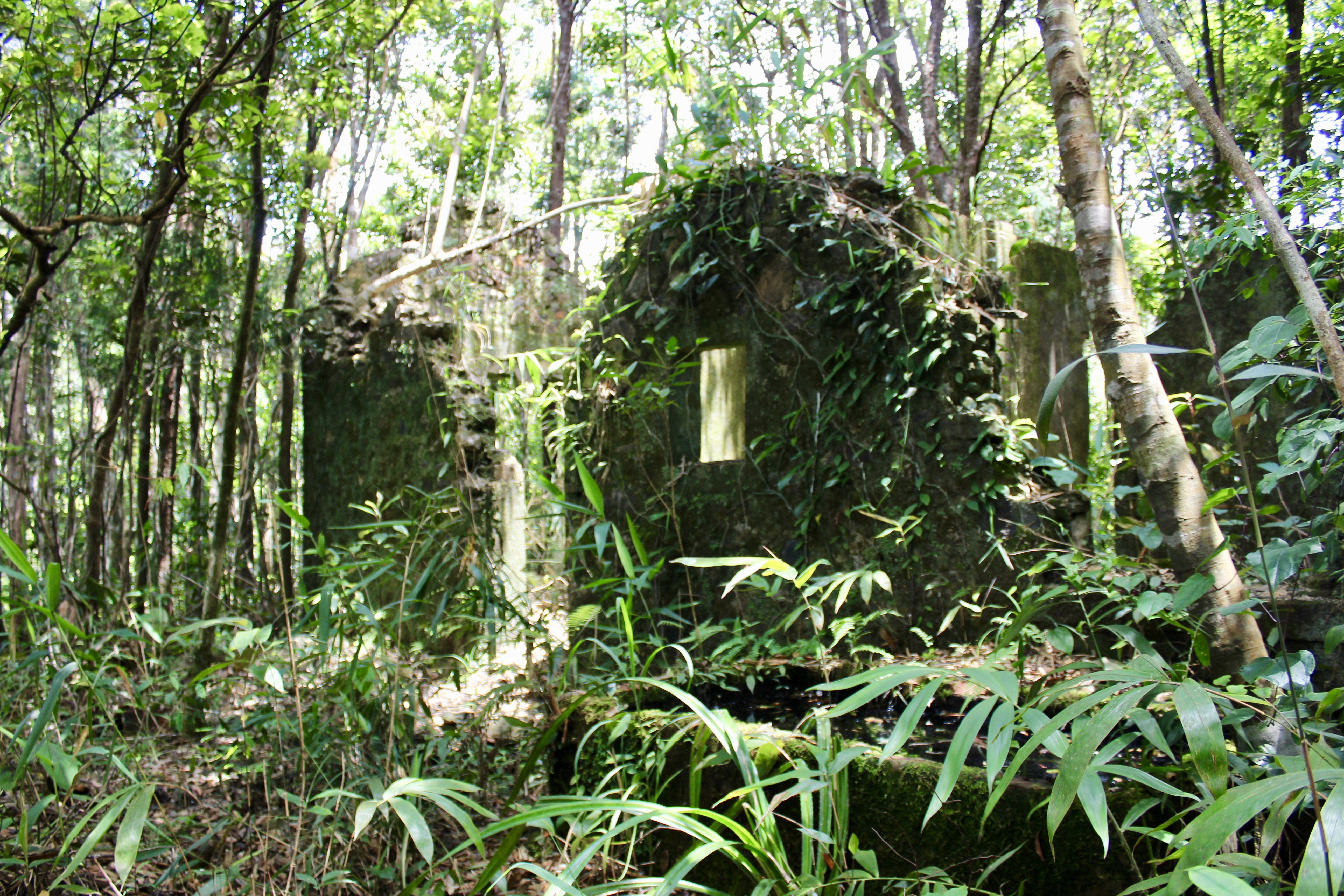
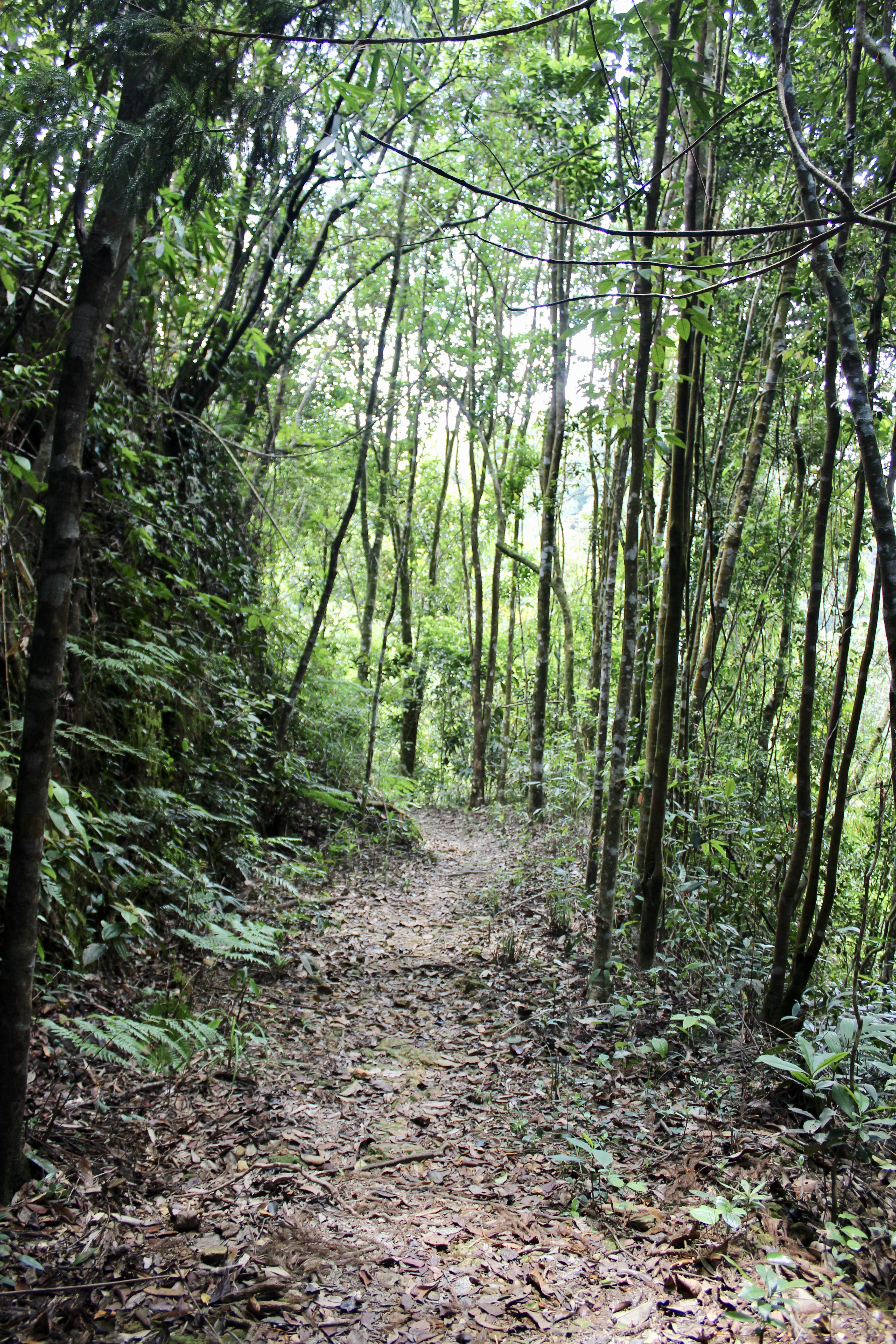
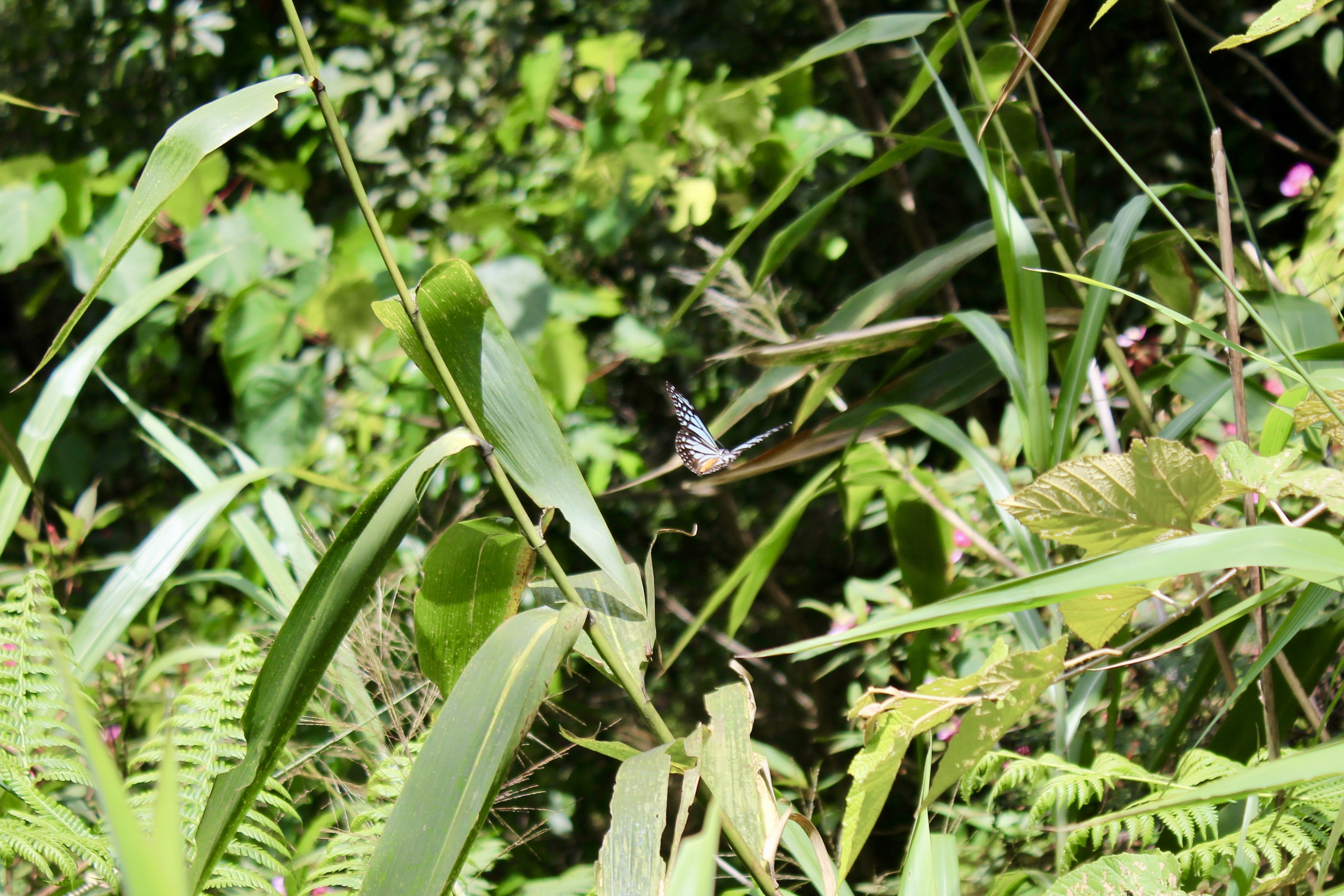
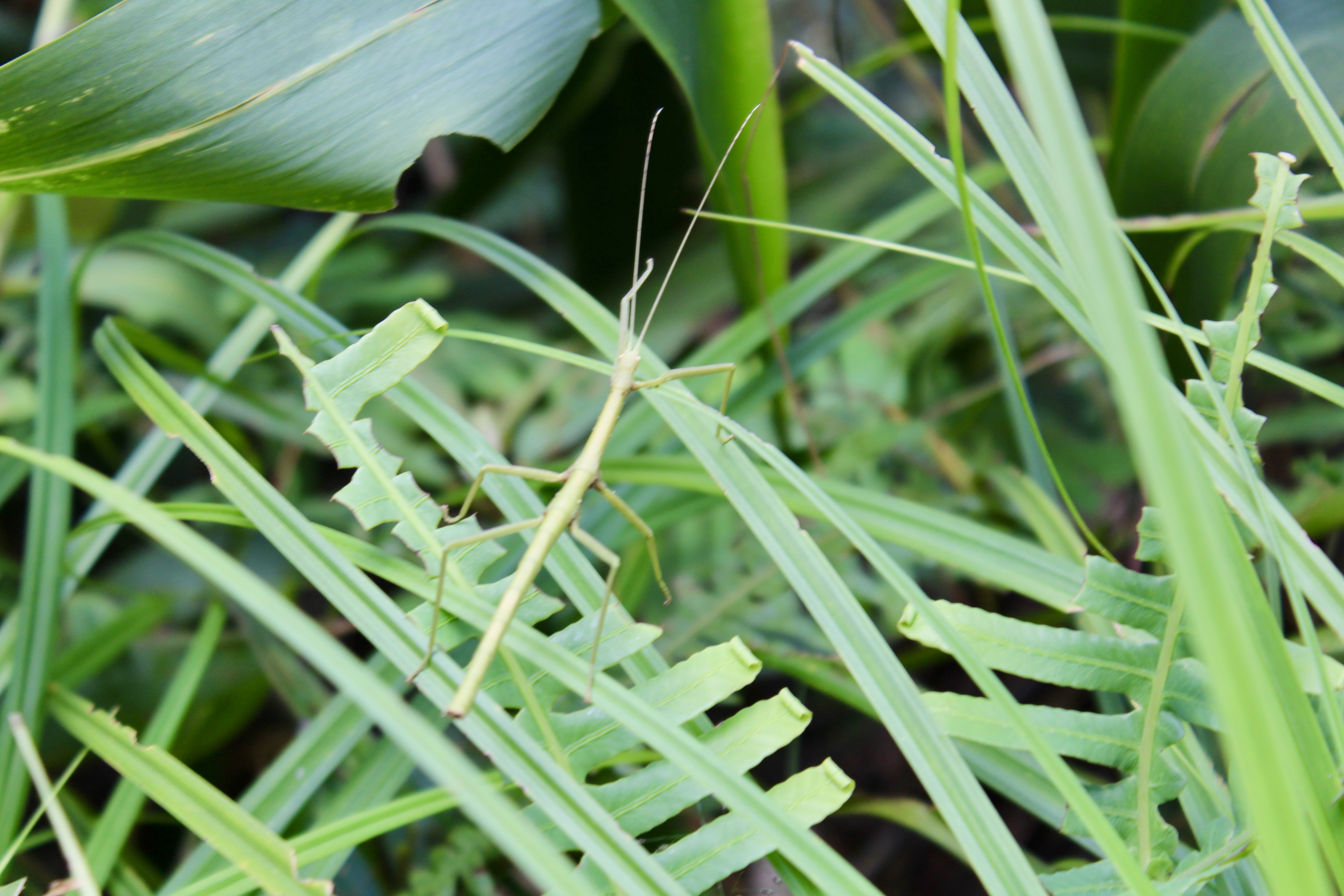
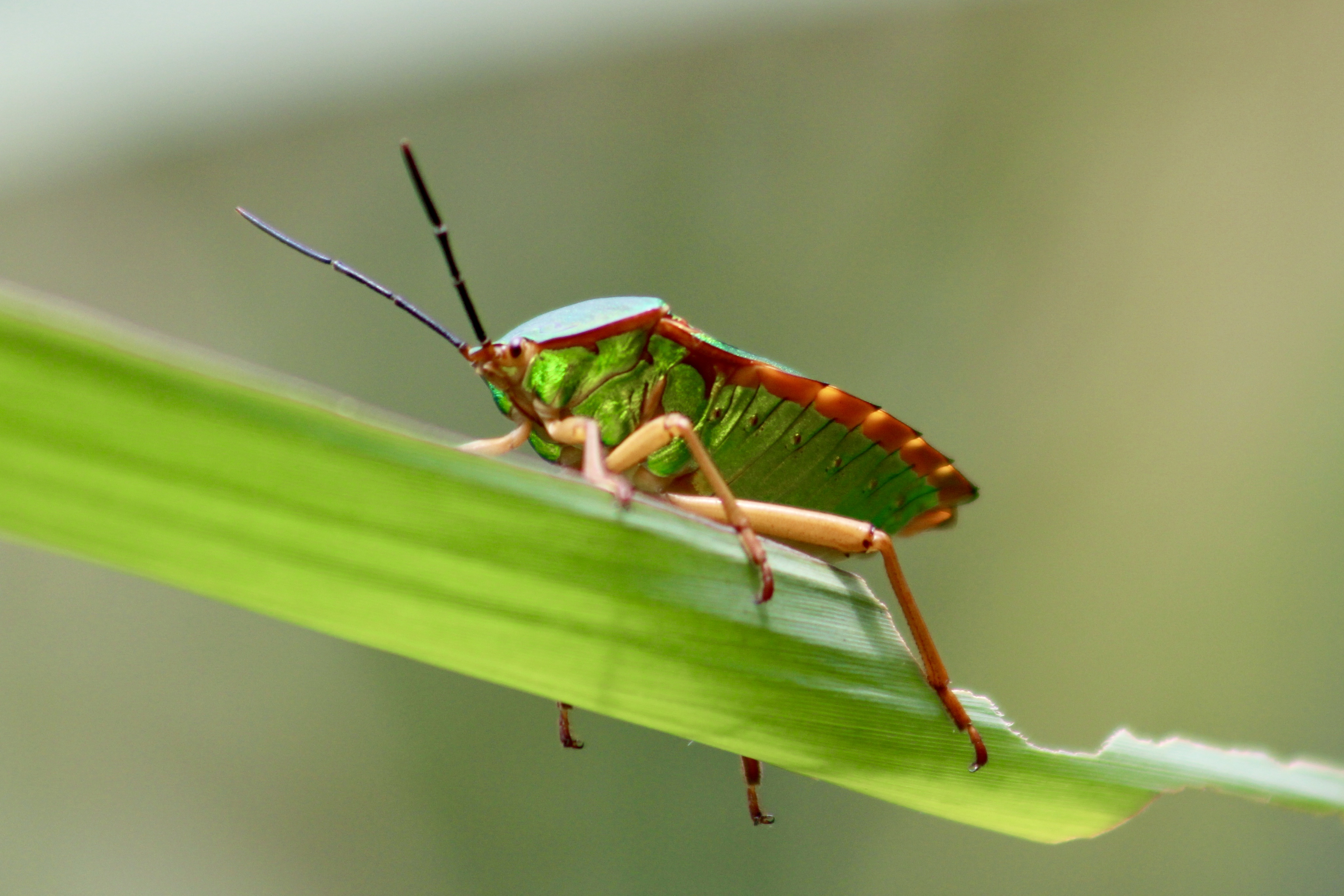
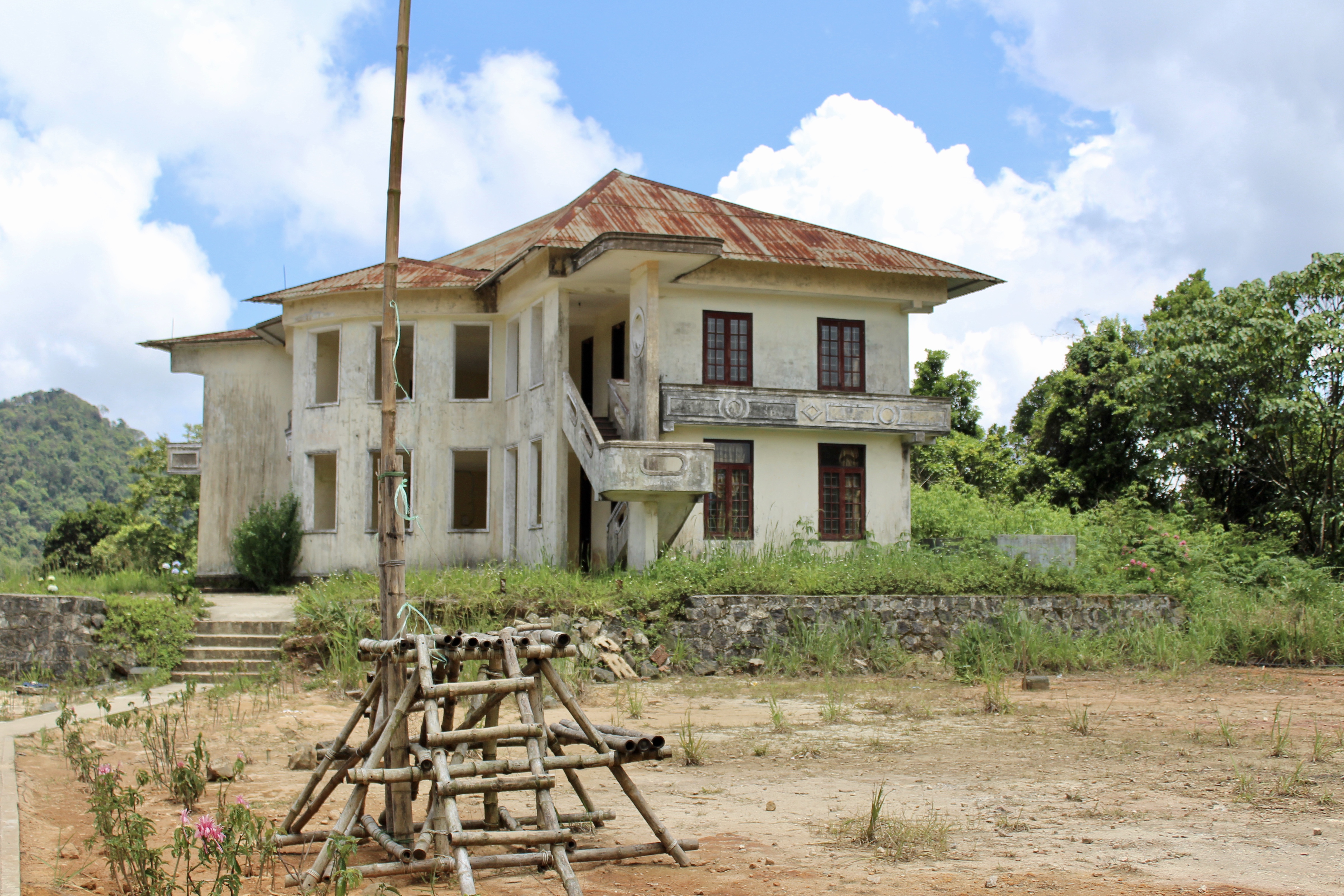
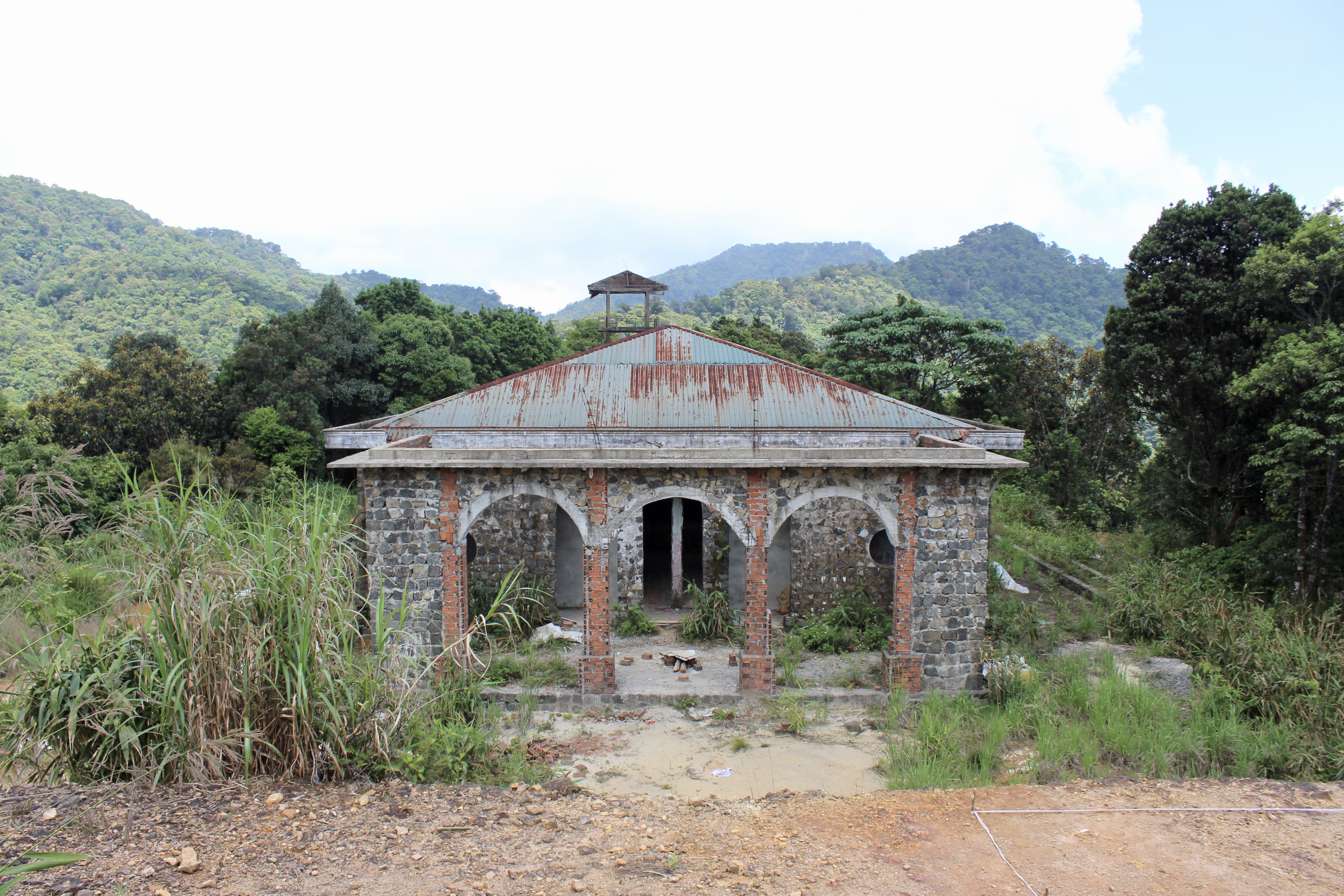
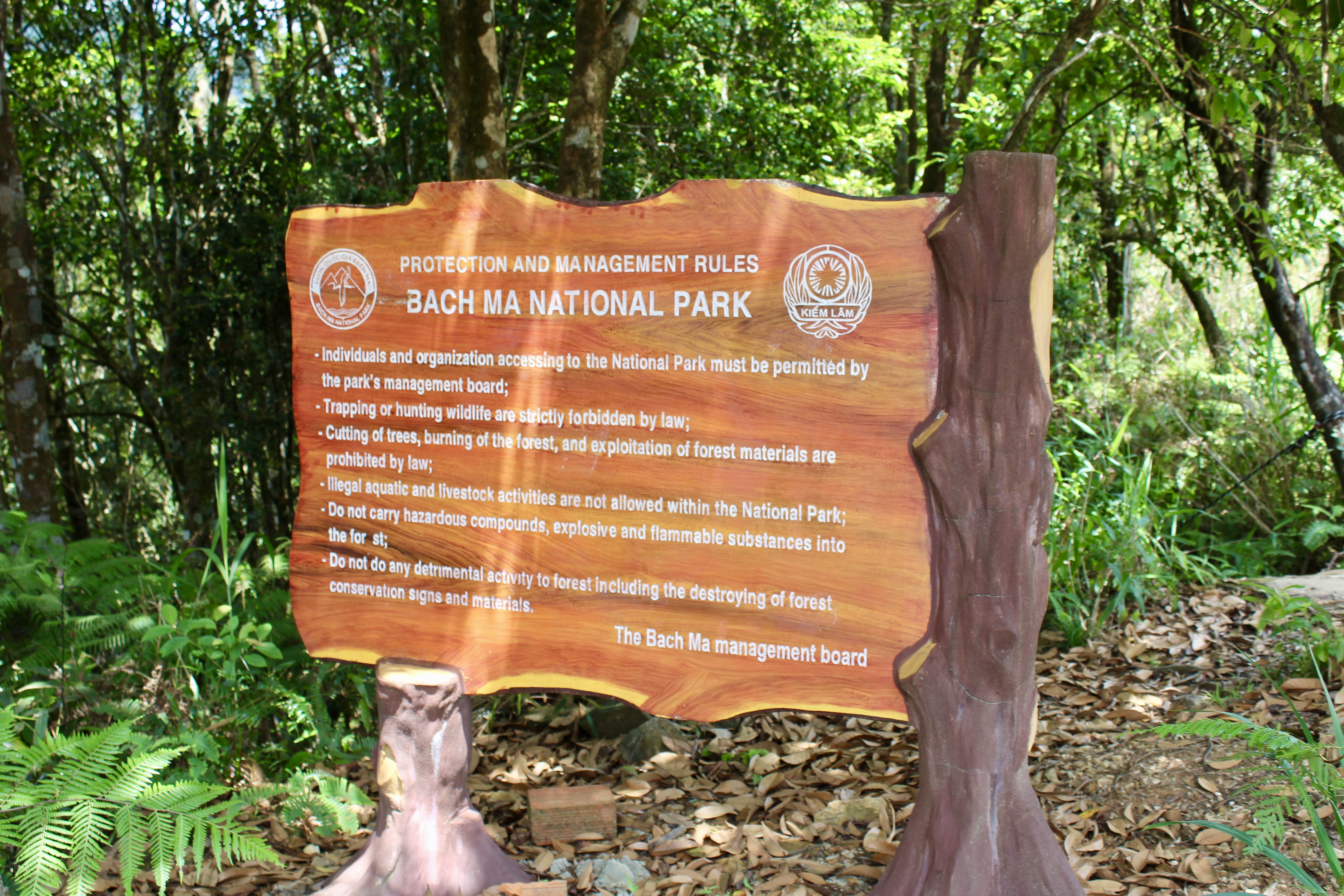
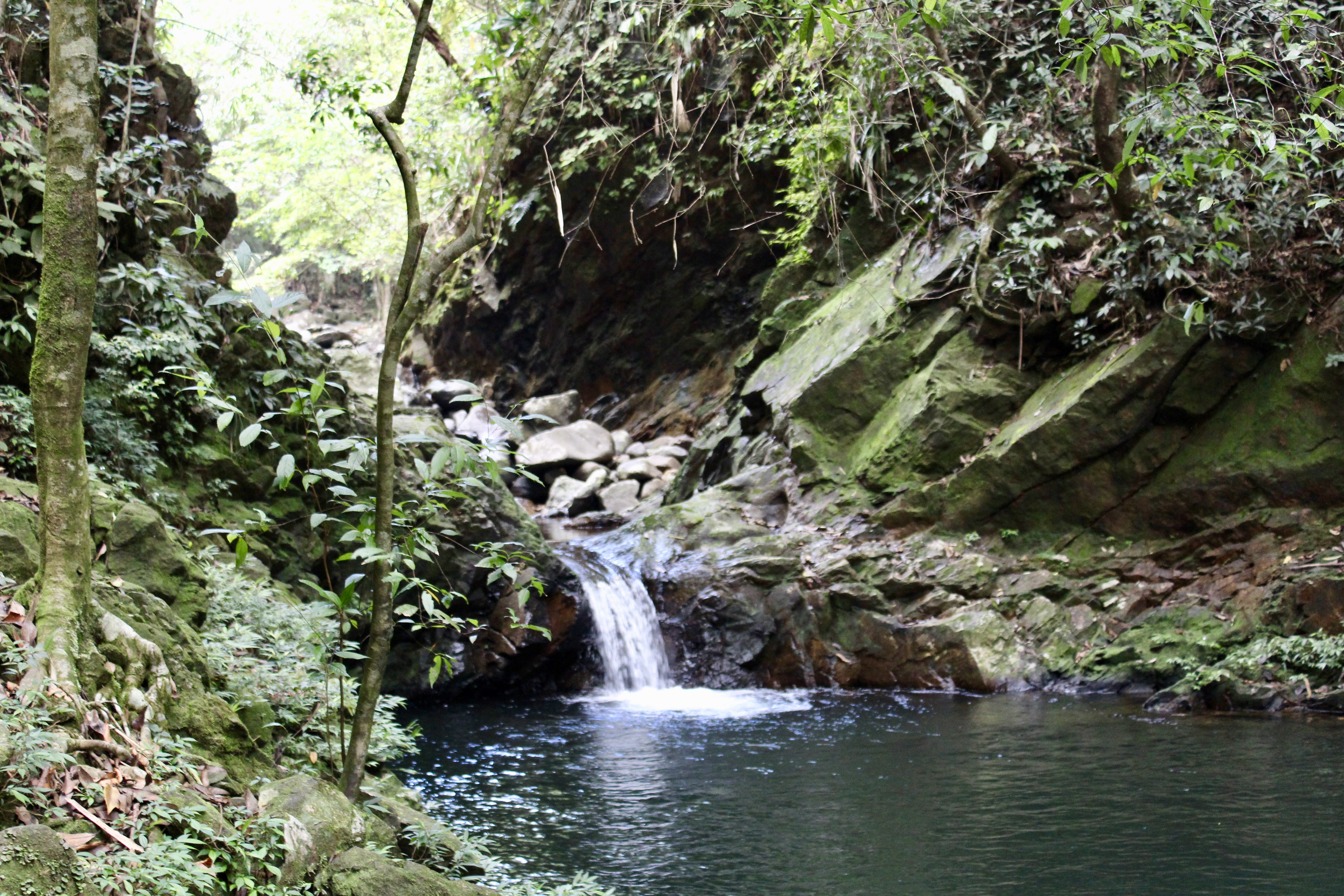
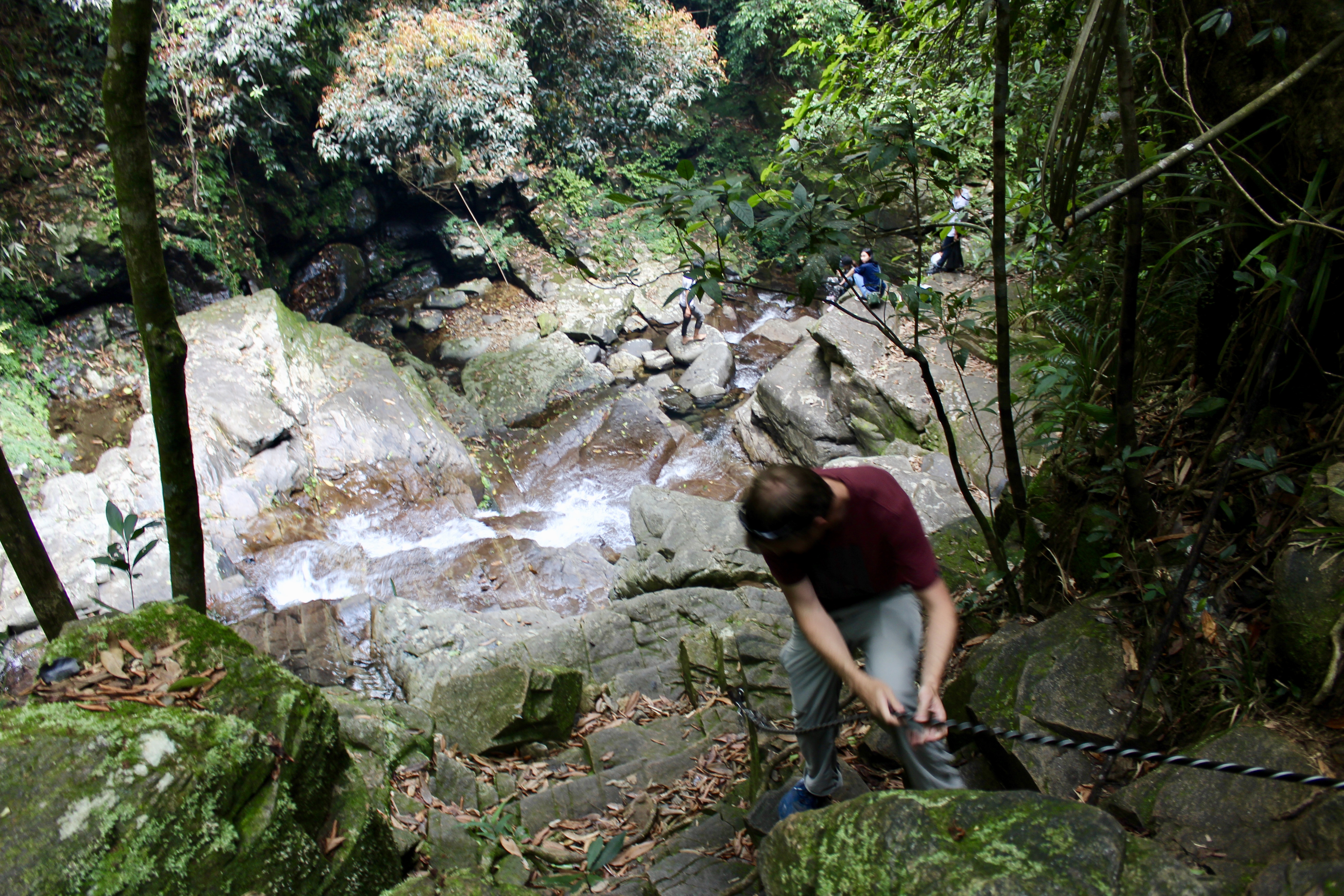
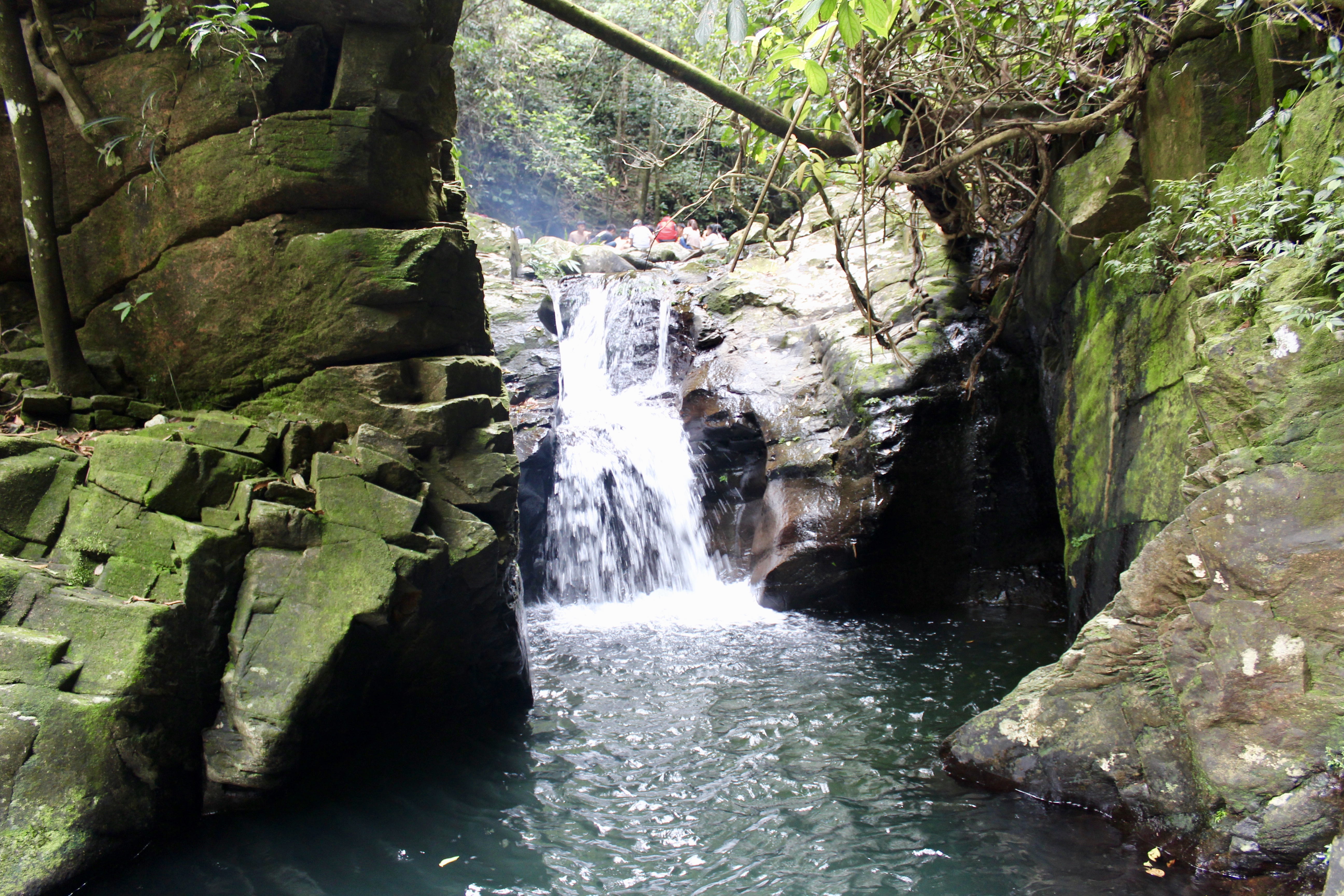
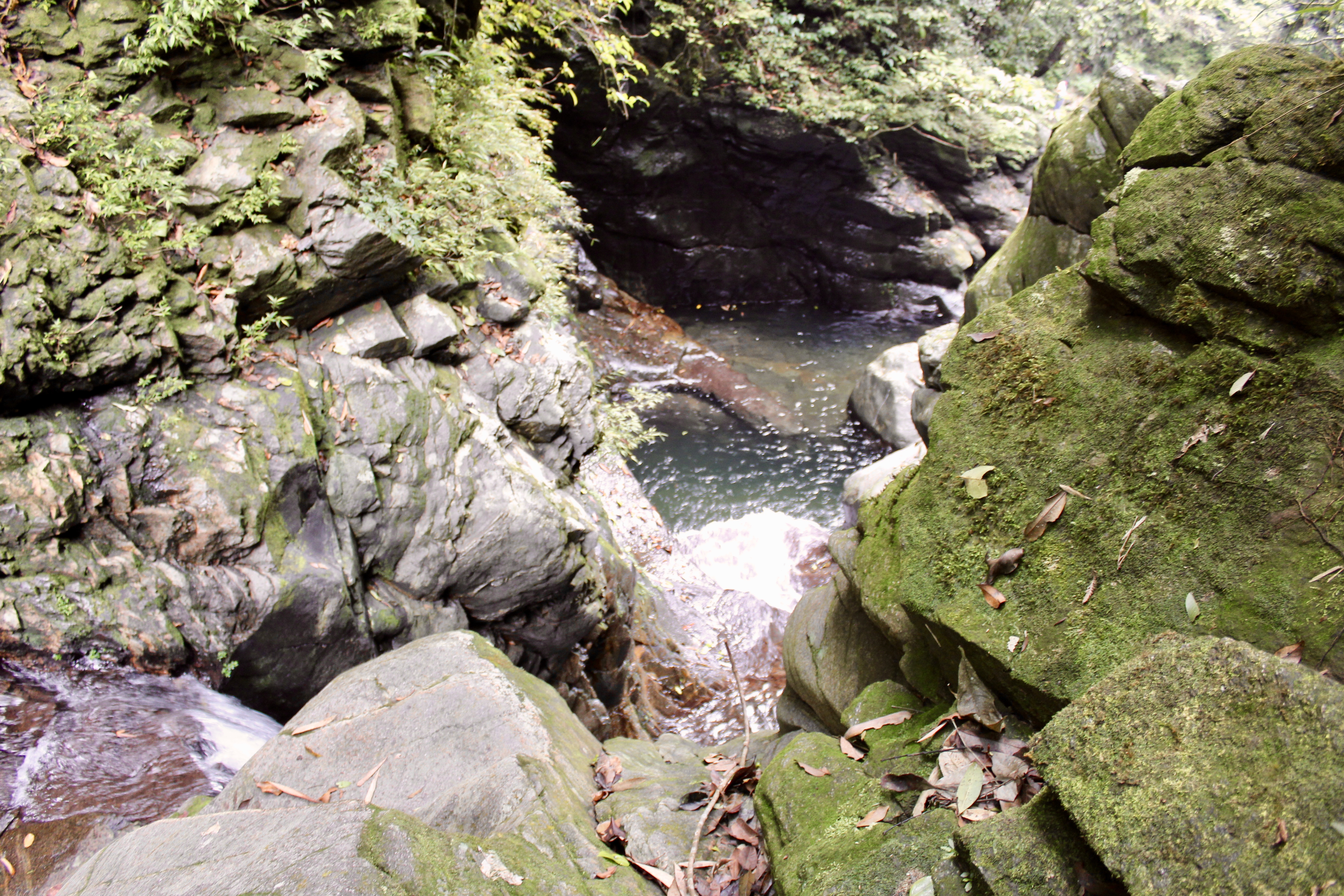
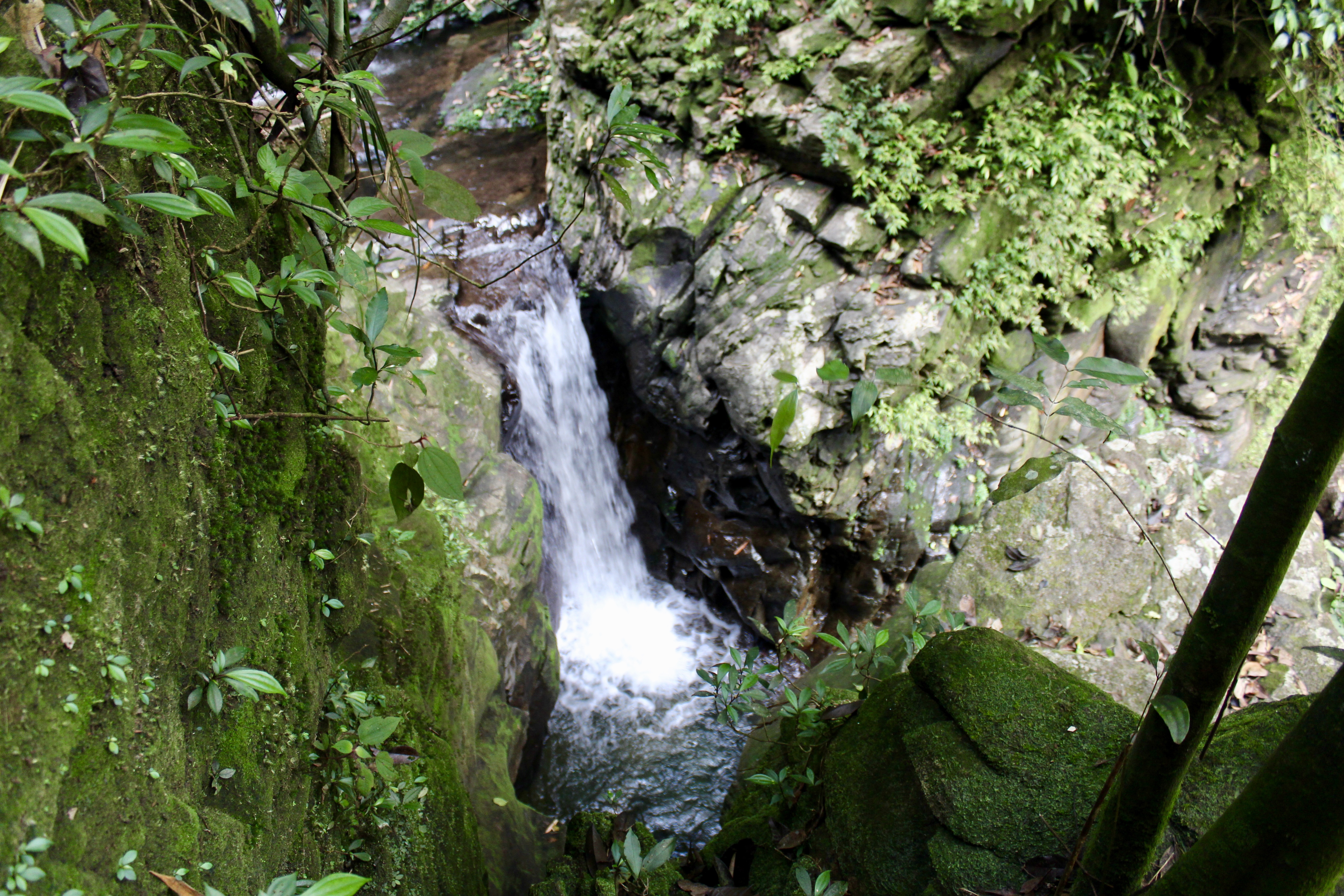
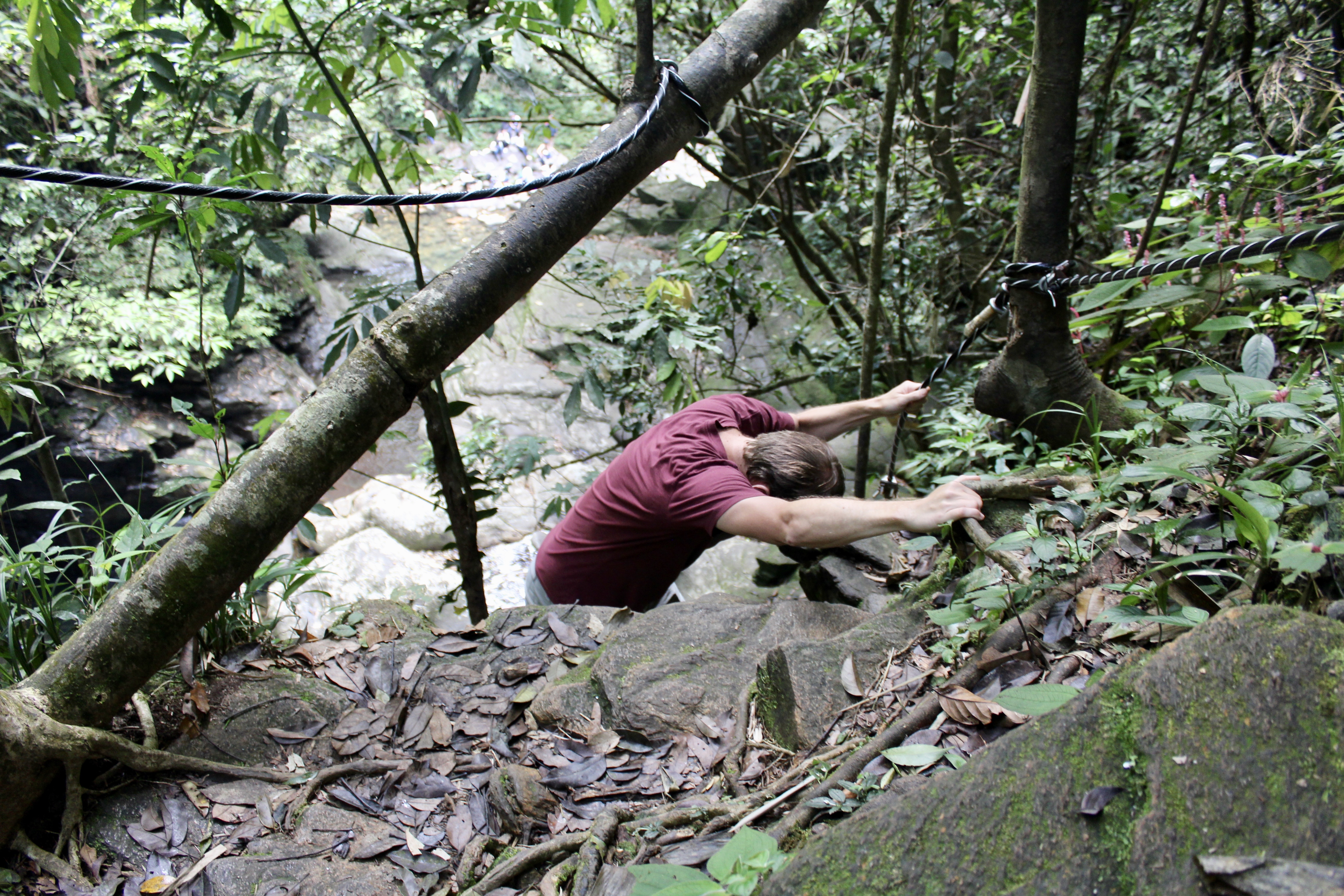
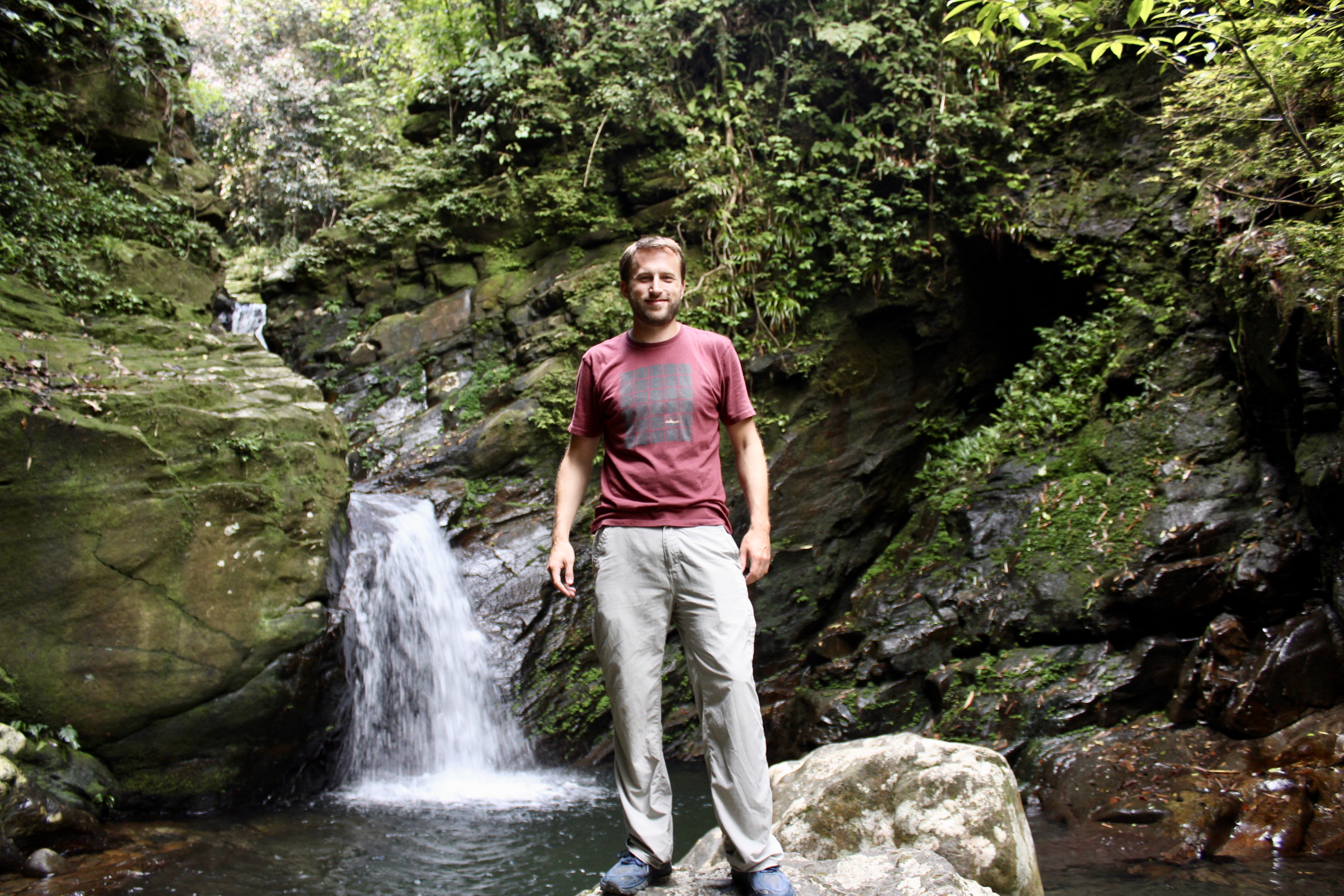
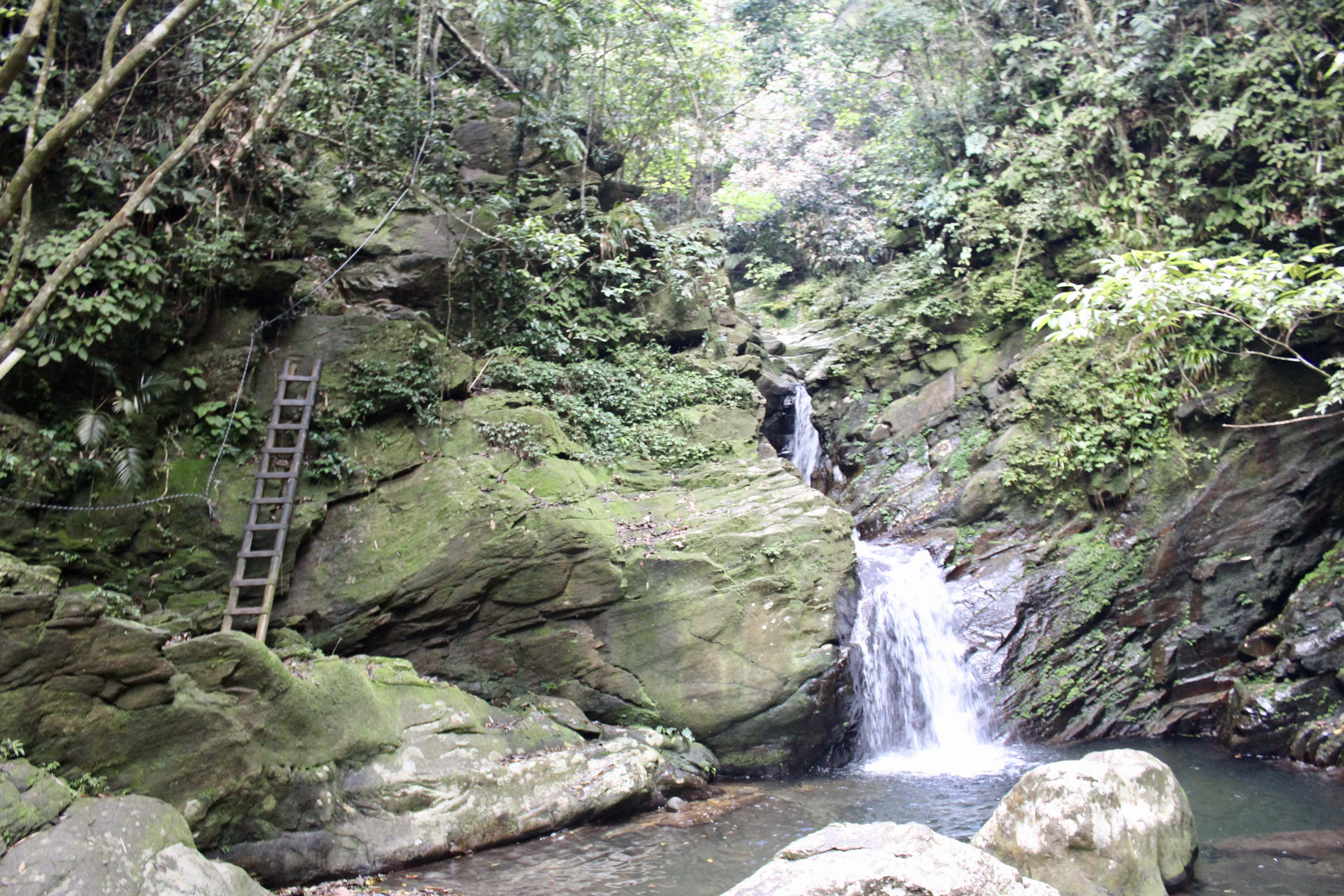
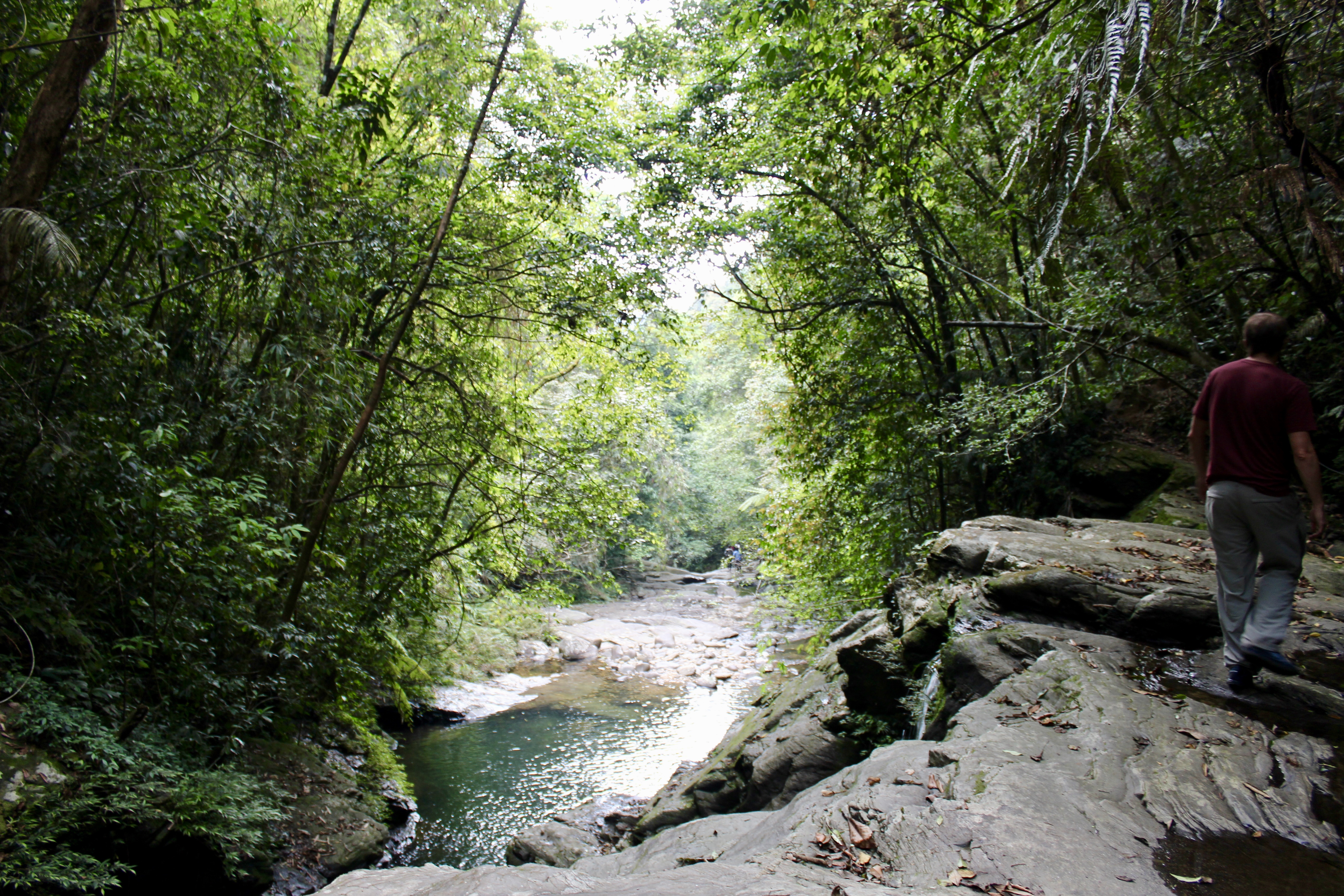
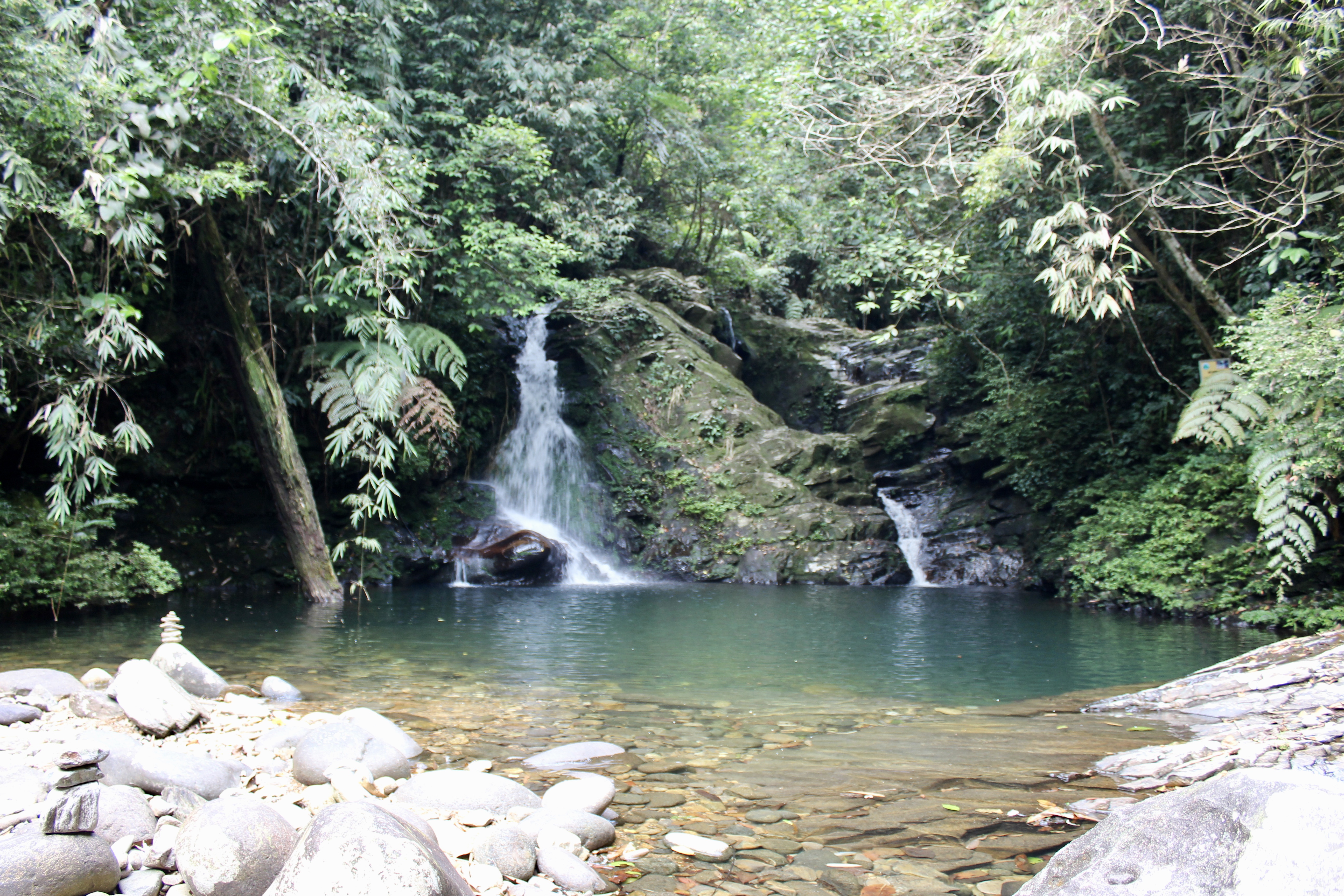
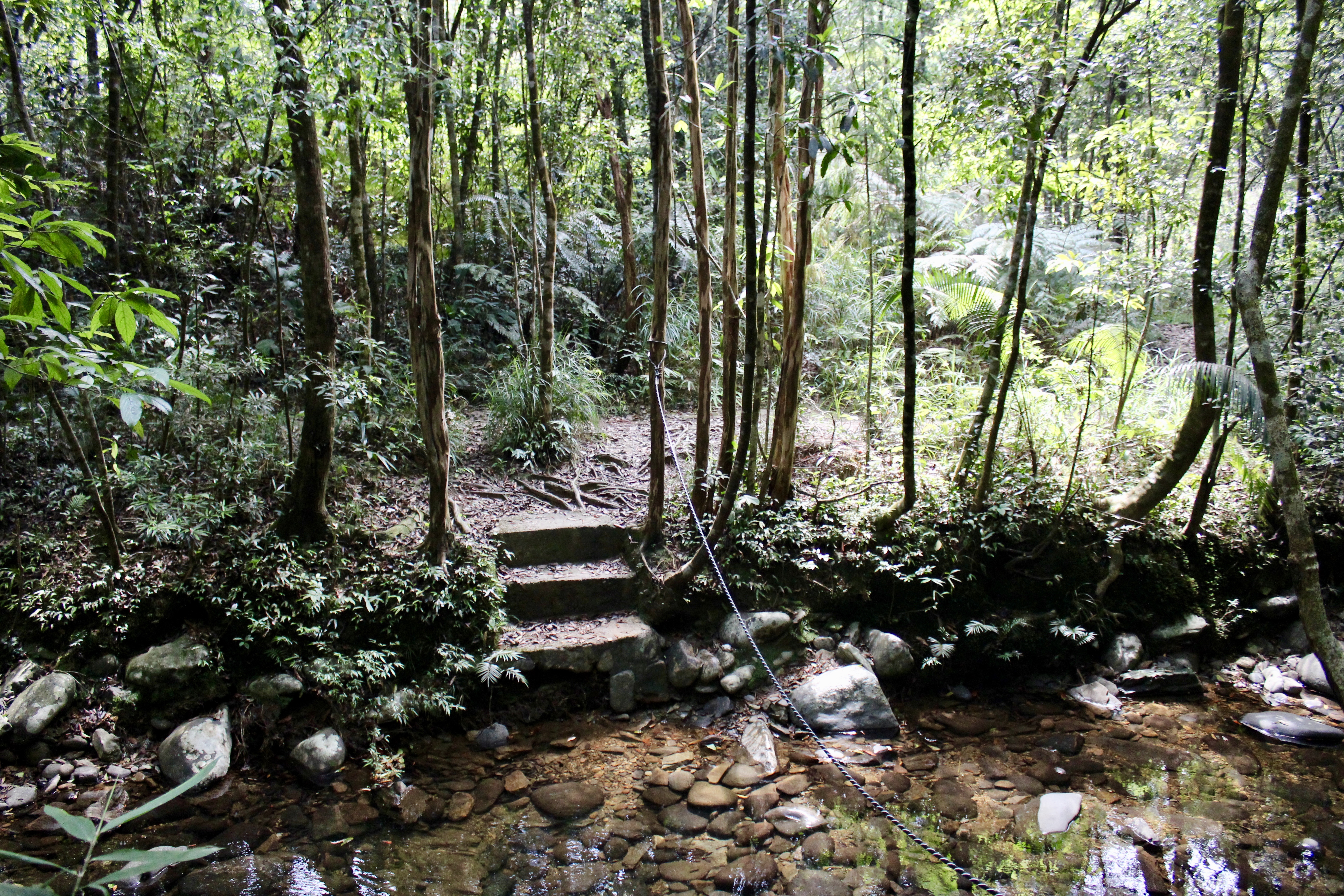
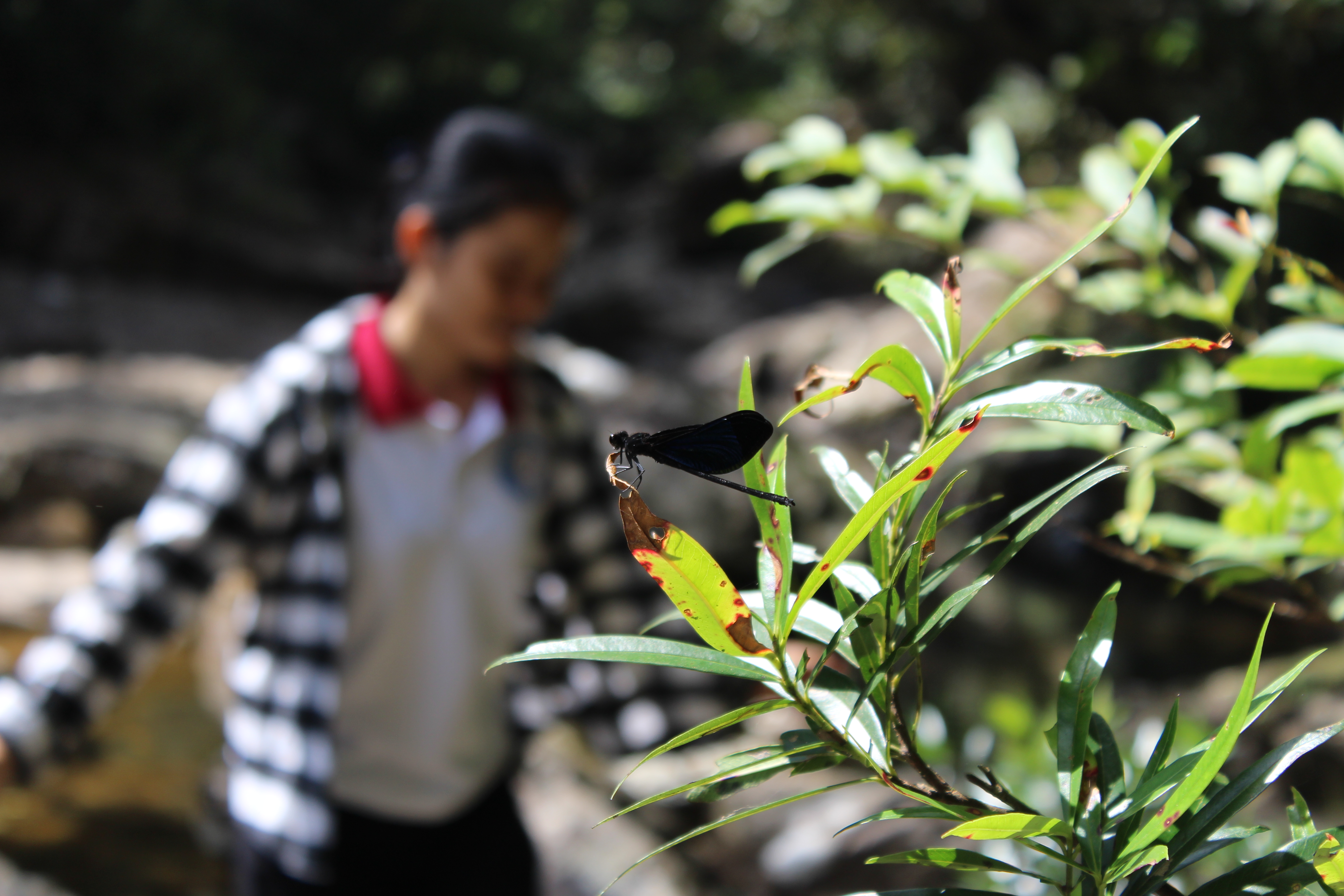
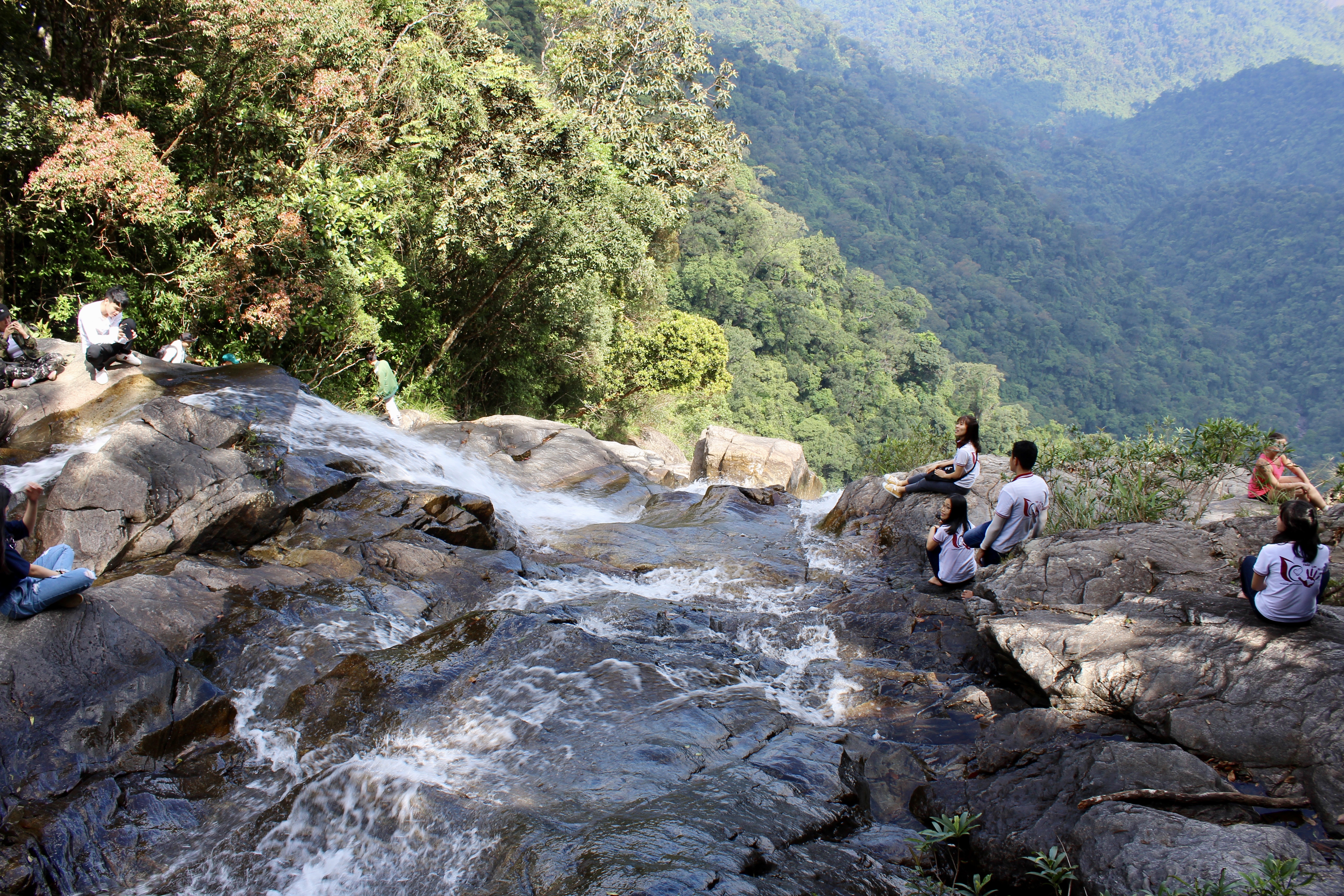
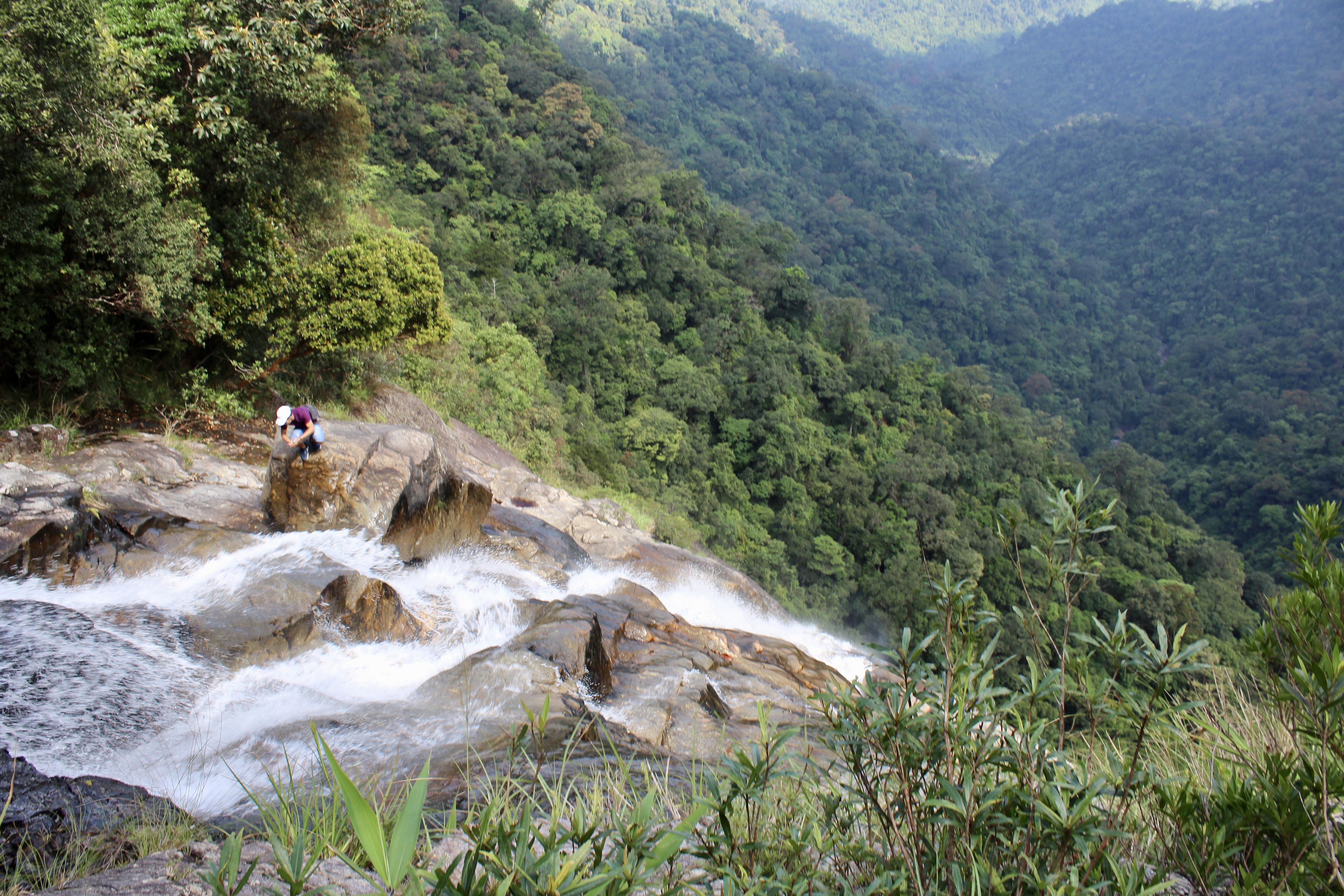
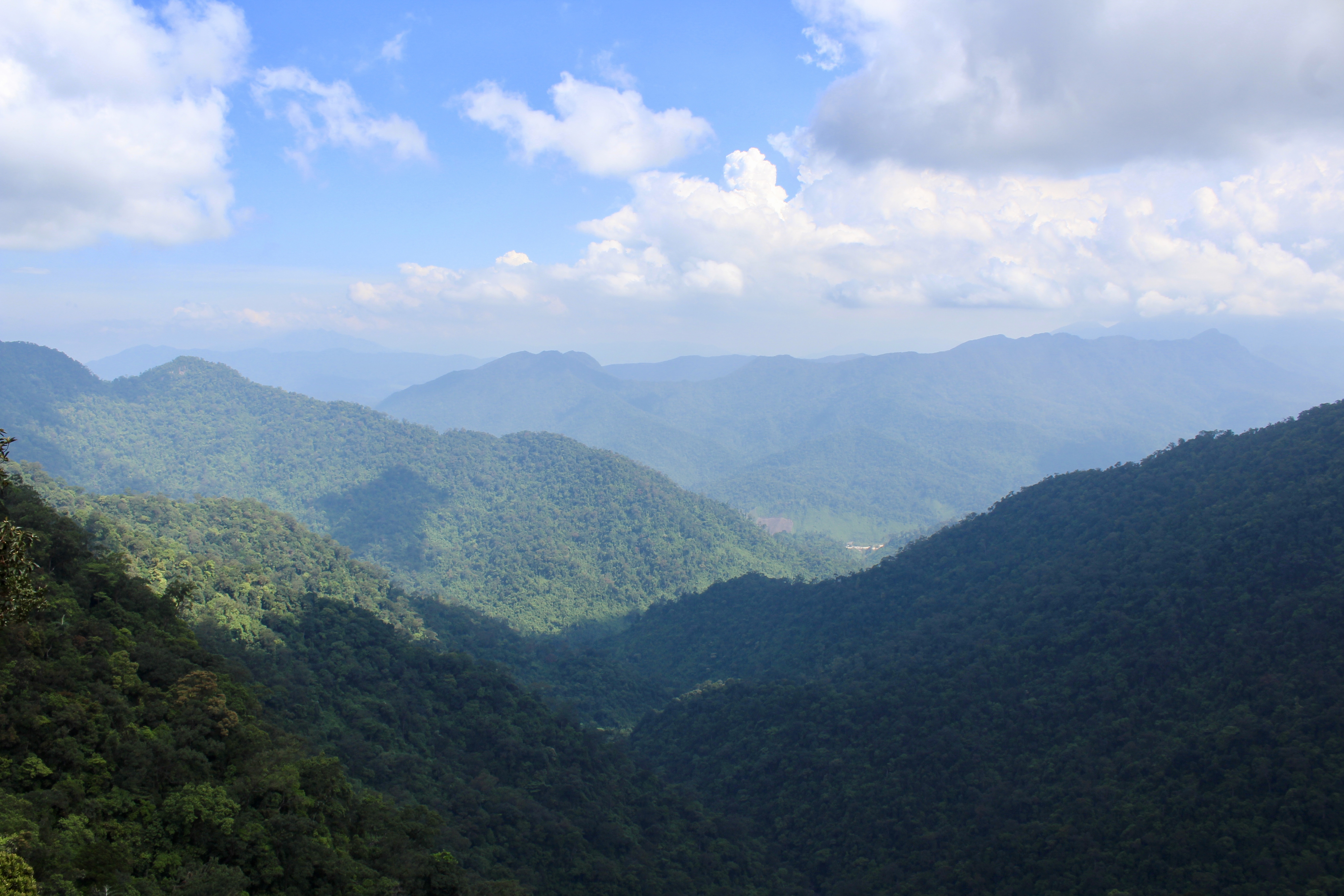
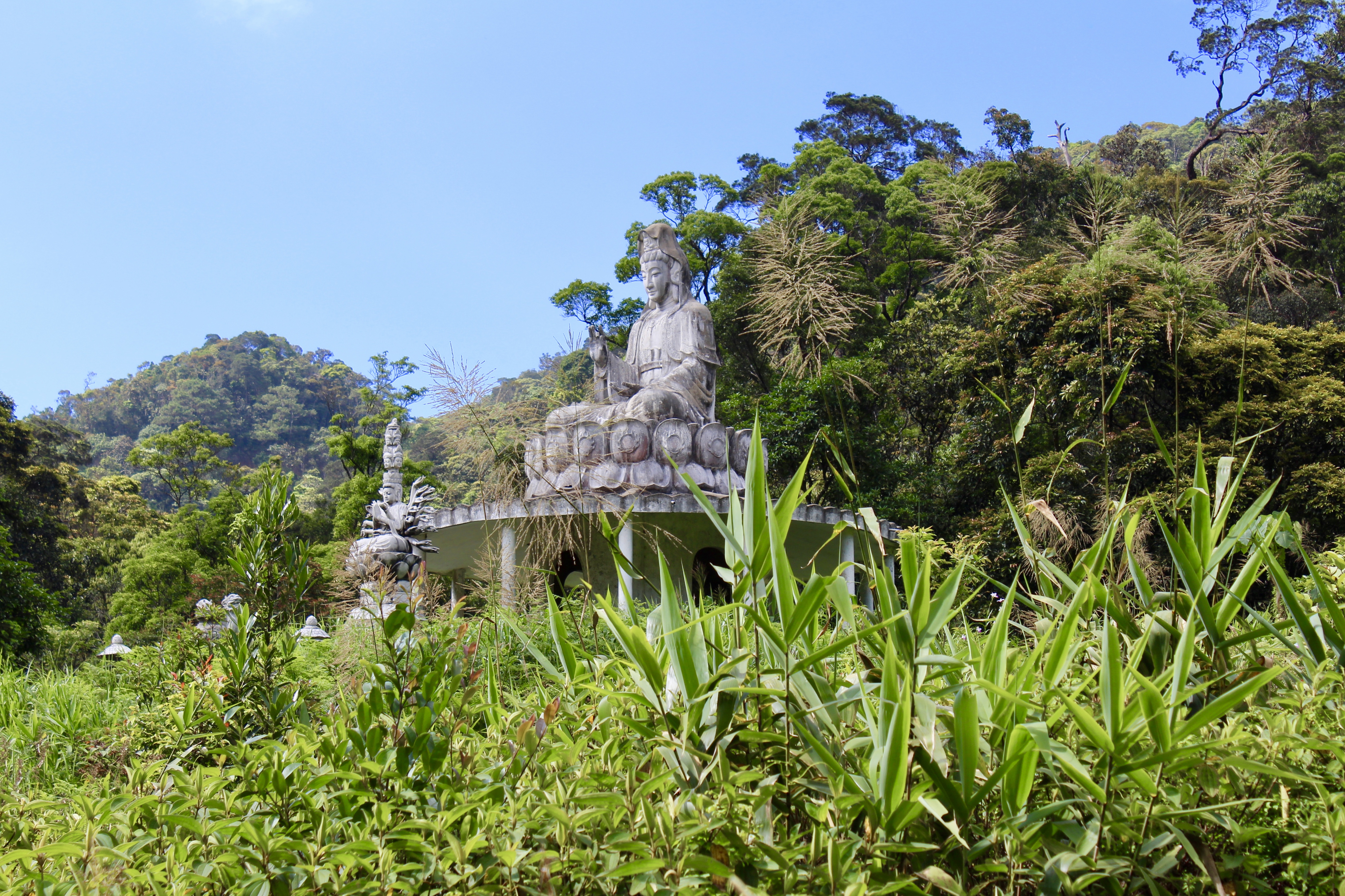
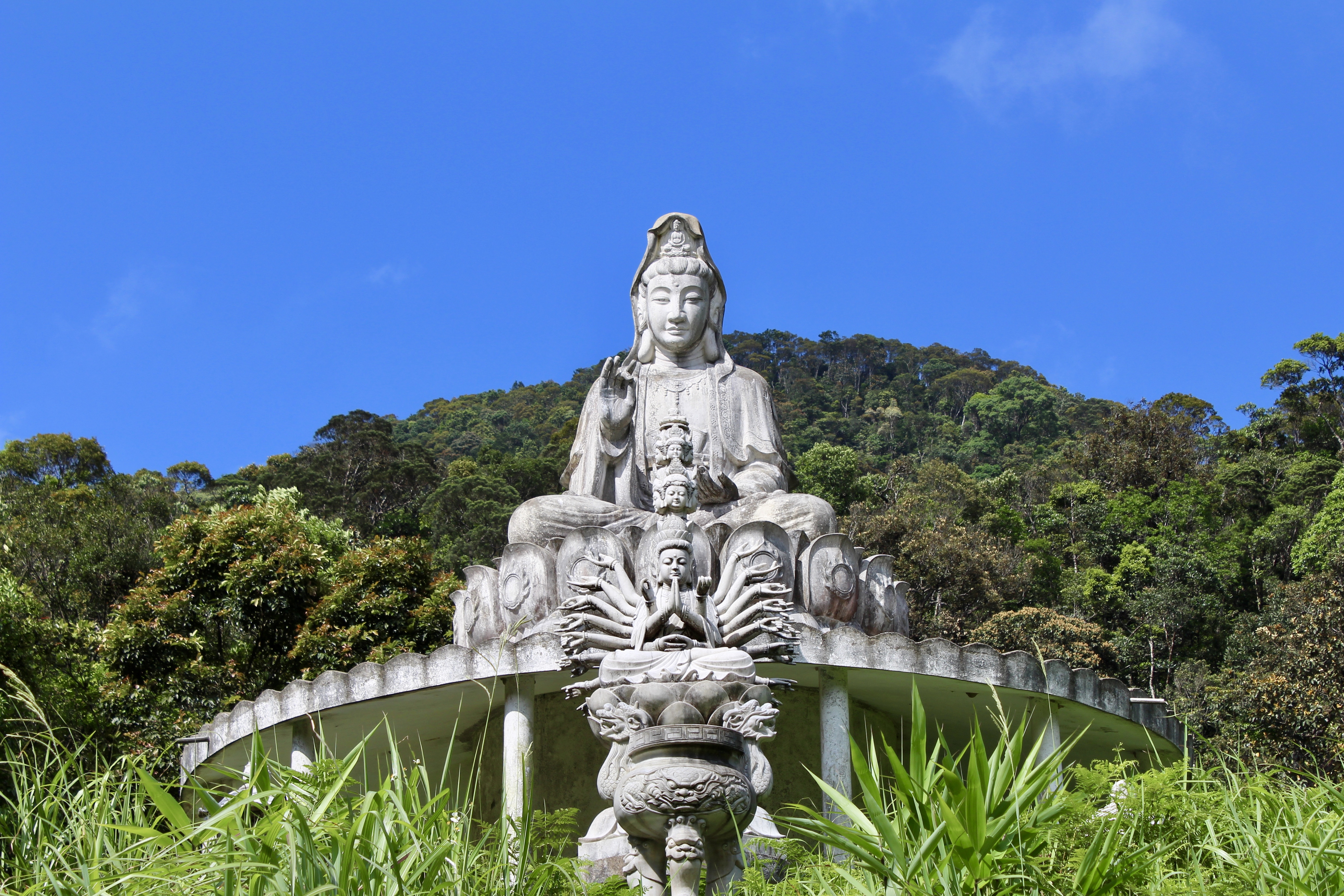
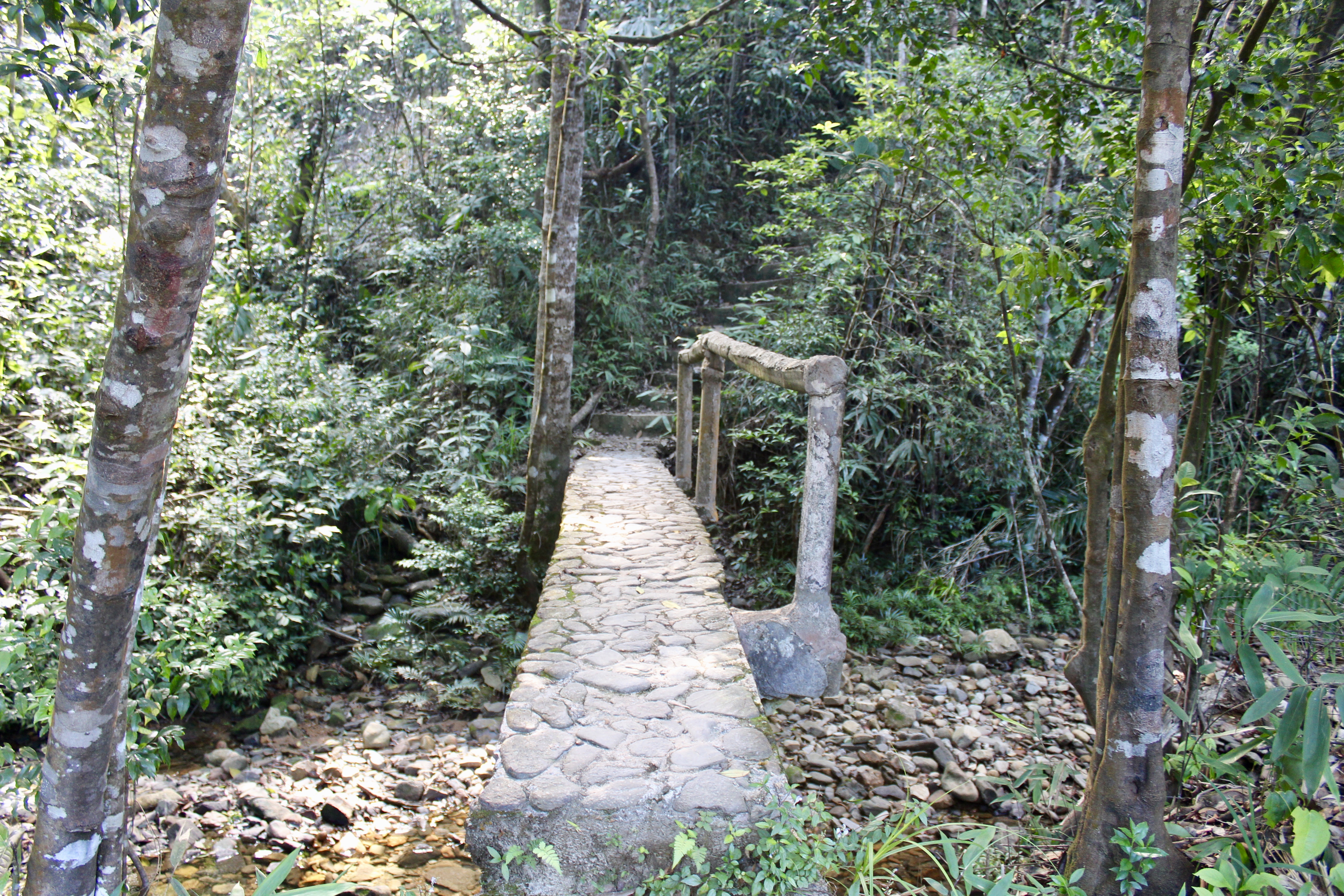
From Hue we moved on to a town called Hoi An, but first stopped for the day in Bach Ma National Park. Bach Ma is a national park not so frequented by foreigners but is visited plenty by the locals. Only so much of the forest is accessible to the public because as with much of Vietnam there is threat of remaining land mines from the Vietnam War and French War/Indochina War. Also, it is quite the treacherous drive to the top of this mountain. Once arrived we were able to hike up to a lookout point and did a small trek around the top and from there our driver took us over to another location to do the 7 waterfalls hike. Along the way you can see some old dilapidated French architecture that was once a resort for the French occupying the area. We chose to do the “Adventure Trail” for the 7 waterfalls hike which meant a series of rickety bamboo ladders and metal cables to assist you on through the jungle and climbing down the side of the waterfalls. It was awesome and felt like an obstacle course or “jungle” gym. Heh, see what I did there? The last waterfall was the grand finale taking us to an a lookout point with the waterfall going right down the side of the cliff. The hike out was a different route and included some Buddhist statues.